
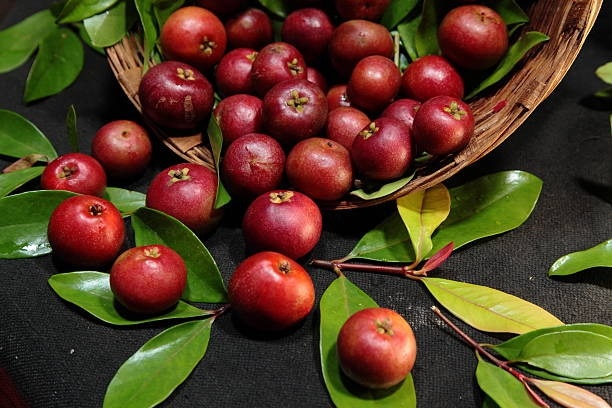
Not just 'South ki Imli', kokum is now flavouring ramen, cocktails and coffee
Chefs and bartenders are taking kokum from coastal curries into ramen, chocolate, coffee and cocktails. The shift reflects a wider push to rediscover regional Indian ingredients beyond their traditional homes.
Kokum isn't just for fish curry anymore.

New Delhi,UPDATED: Jun 30, 2026 12:31 IST
For generations, kokum had a well-defined role in the Indian kitchen.
It added a pleasant tartness to fish curries along the Konkan coast, gave sol kadhi its unmistakable blush pink hue, and was stirred into cooling sherbets that helped people survive unforgiving summers in Goa, Maharashtra and coastal Karnataka. Beyond these regions, however, the fruit rarely enjoyed the same recognition. To many in North India, kokum was little more than "South ki imli"—a souring agent occasionally encountered during a holiday to Goa or Mumbai.
That is beginning to change.
From pantry staple to culinary muse
From ramen broths and chocolate beverages to craft cocktails, ceviche, confectionery and even pour-over coffee, chefs and bartenders are discovering that kokum can do much more than sour a curry. Its acidic, subtle fruitiness and deep ruby hue are making it one of India's most exciting indigenous ingredients.
What's driving this transformation isn't simply nostalgia. It is a larger movement within Indian food, where chefs are looking inward, rediscovering indigenous ingredients and allowing them to travel beyond their regional homes.
"Kokum has acidity, fruitiness, colour and a real sense of place," says Saket Agarwal, co-founder of Latoya. "Once chefs started experimenting with it outside traditional coastal dishes, it became clear that it could do much more than just sit in a curry or a sherbet."
That curiosity is being fuelled by diners as well. "People are simply more curious about regional ingredients today," Agarwal says. "Many younger diners are discovering kokum through restaurants, desserts and cocktails rather than traditional Konkani or Maharashtrian food. They're experiencing it as a tart, fruity ingredient and forming their own connection to it."
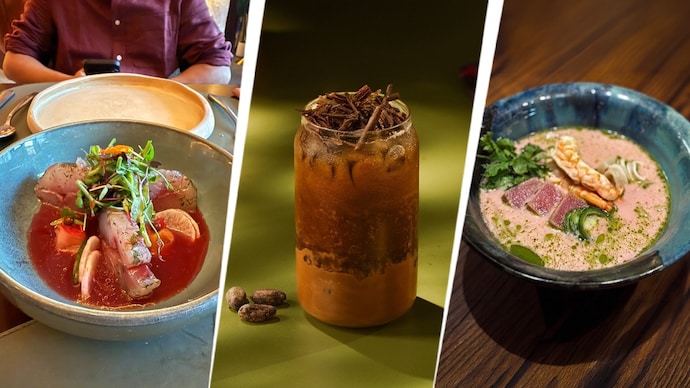
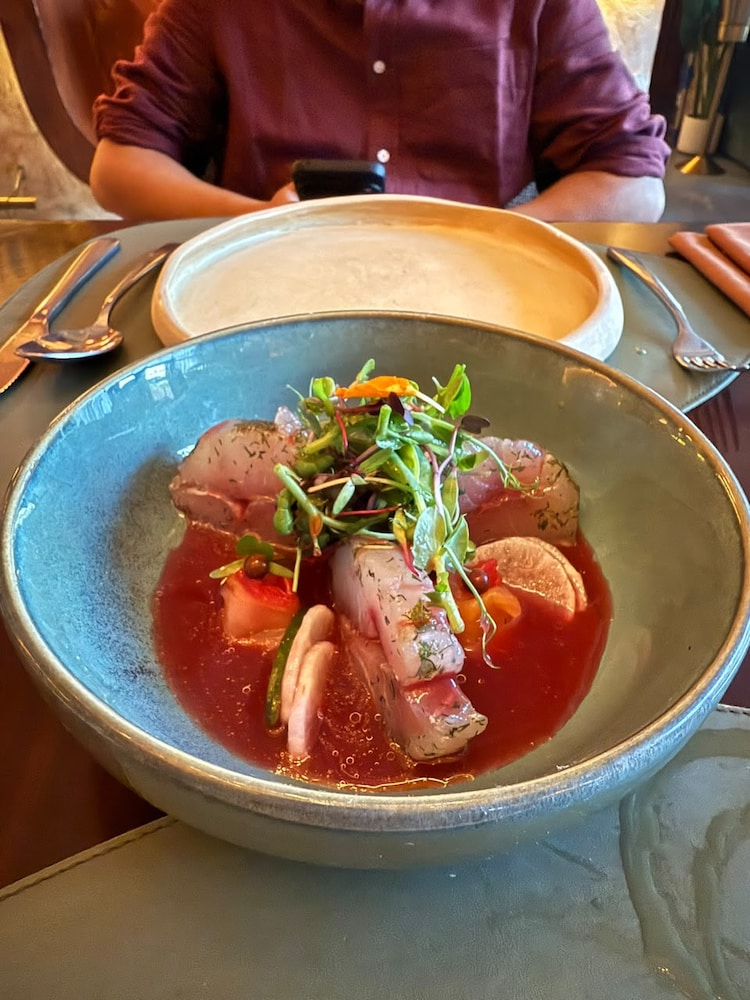
Latoya does some wonderful experimentation with kokum at their restaurant, and they serve a dish called - Seabass, Kokum and Melon Ceviche. The lime-cured seabass is served with kokum leche de tigre, compressed summer melons, basil and pink pepper.
Beyond the curry pot
Chef Ruby Islam, head chef at Manam Chocolate, believes the shift is even more recent. "People are no longer cuisine-specific. They're more cuisine-agnostic now," she says. "Chefs are much more willing to borrow ingredients from different regional cuisines and integrate them into their own creations."
At Manam Chocolate, that philosophy has produced one of the country's most unusual pairings, a vegan iced beverage combining kokum with dark chocolate. The idea emerged from studying cacao itself. Since the flavour profile of cacao fruit naturally carries notes reminiscent of mangosteen, kokum became a natural companion, adding bright tartness that complements fermented cacao beans. The result, Islam says, surprises almost everyone who tries it. "People usually say, 'I never imagined chocolate could taste like this with kokum.'"
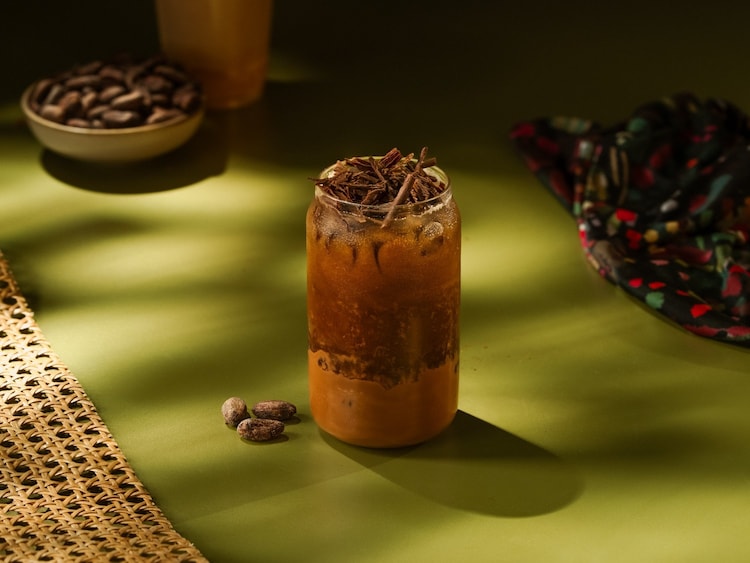
The experimentation doesn't stop there. Manam Chocolate also serves a kokum pour-over coffee—a pairing Islam finds even more compelling than an Americano because the fruit's acidity amplifies coffee's natural fruity notes without overpowering them.
The Select Coffee Club is a specialty coffee community and digital guide based in India and primarily operating in Pune, Maharashtra. Curated by coffee enthusiast Vikrant Kapse, they too serve a speciality coffee called the Kokum Cold Brew.
Restaurants, too, are giving kokum unexpected new avatars. At JSan in Goa, founder Chef Vishesh Jawarani has transformed the coastal staple into a Japanese-inspired cold ramen. Rather than turning kokum into a conventional ramen broth, the restaurant keeps the broth as an authentic sol kadhi and builds a chilled ramen around it with prawns, tuna tataki, squid, coriander and curry leaf oil.
For Jawarani, the dish isn't about fusion for the sake of novelty. It's about respecting the identity of sol kadhi while presenting it in a completely different format. He believes kokum is still closely tied to coastal cuisine in the public imagination, but says the industry is only beginning to recognise its versatility.
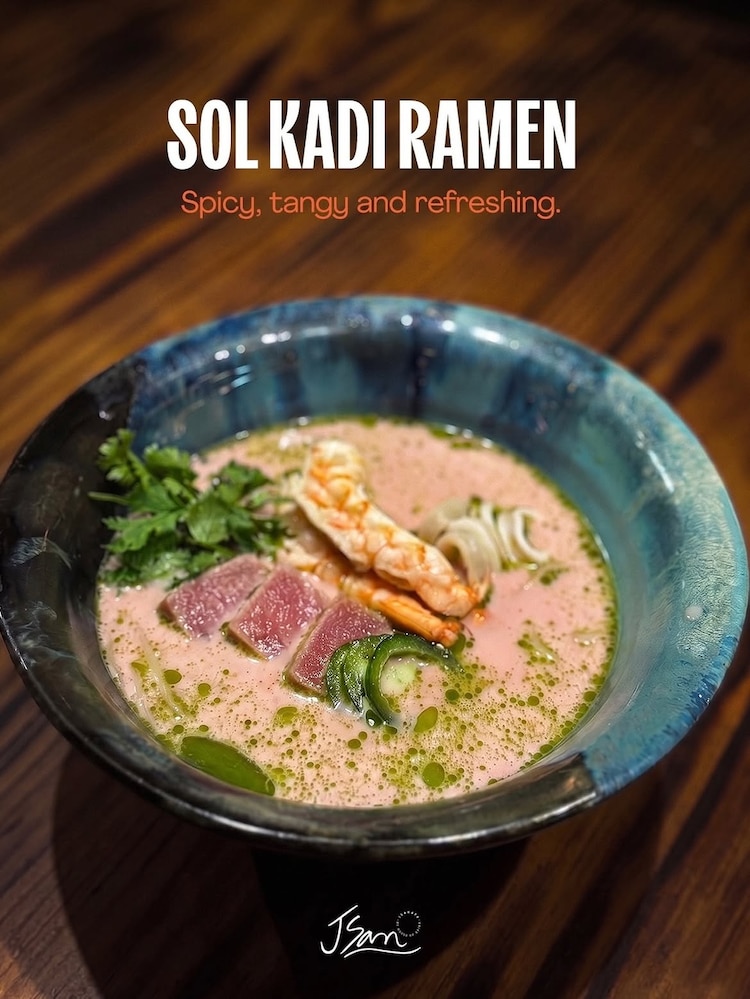
"Kokum has its own fruitiness, aroma, colour and character," he says. "It shouldn't simply be viewed as a substitute for tamarind."
Its versatility lies in the many forms it can take. Dried rinds, syrups, concentrates, extracts and infusions each offer different possibilities, allowing chefs to use kokum in dressings, marinades, broths, sauces, desserts, fermentations and beverages.
Kokum's bar takeover
Perhaps nowhere has kokum's rise been more visible than behind the bar.
"Kokum-based syrups, cordials and spirit infusions have become a great addition behind the bar because they give cocktails a strong sense of place," says beverage consultant Nitin Tewari.
Bartenders today are using kokum in everything from Whiskey Sours and Tom Collins variations to highballs, foams and aromatic airs. While gin remains a natural pairing, Tewari says tequila and whisky work particularly well with kokum's fruity acidity.
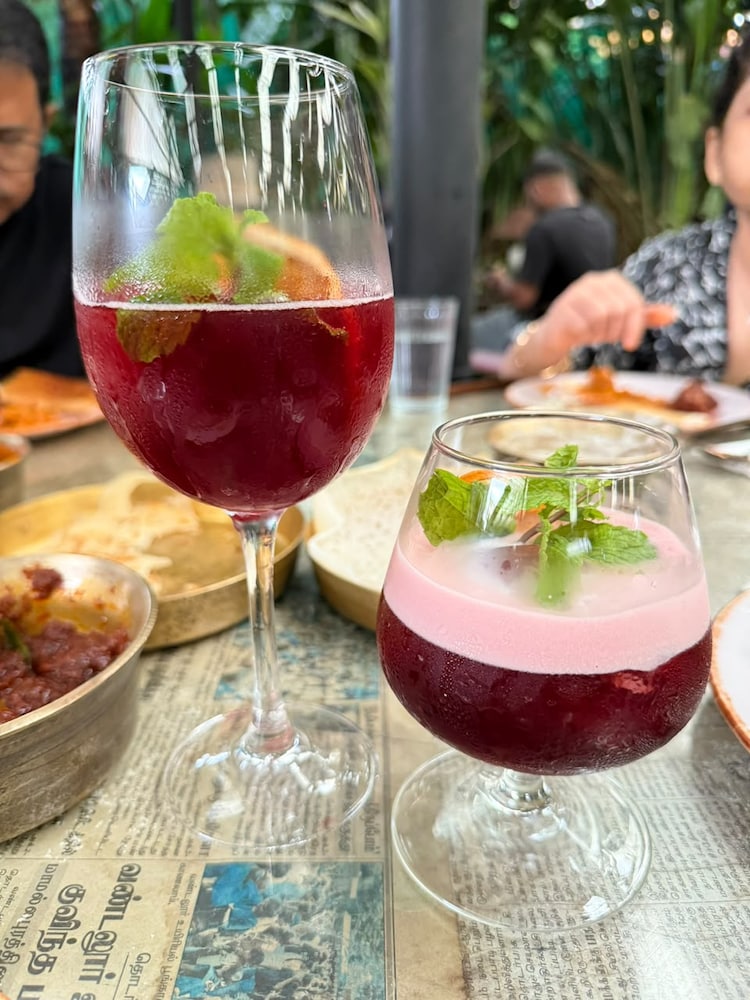
Agarwal agrees that bartenders are drawn to ingredients that tell a story. "It brings acidity, subtle fruit notes, a beautiful natural colour and a story that people connect with," he says. "At a time when bars are celebrating local ingredients, kokum offers something uniquely Indian while remaining incredibly versatile."
The fruit's appeal extends beyond cocktails. Confectioners have discovered that kokum naturally balances sweetness while adding colour and complexity, making it ideal for gummies, bonbons, fruit jellies and chocolate fillings.
The growing popularity of kokum also reflects a larger shift in Indian dining. Ingredients such as gondhoraj lime, regional chillies and local herbs have all moved beyond their native geographies as chefs increasingly celebrate India's culinary diversity instead of borrowing only from global pantries.
Kokum appears to be following the same path.
- Ends