Crude oil crosses $100 for first time in two months as US-Iran conflict intensifies
At the time of writing, Brent Crude, the global oil benchmark, was trading at $100.14 a barrel, up 6.45%.
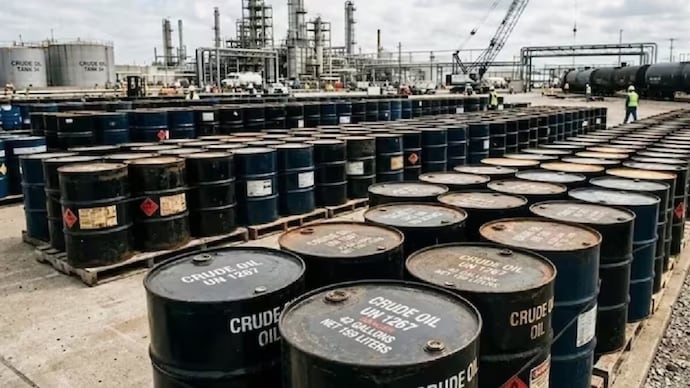
Global crude oil prices have climbed above the $100-a-barrel mark for the first time in two months, as fresh tensions between the United States and Iran fuel fears of supply disruptions in the Middle East.
At the time of writing, Brent Crude, the global oil benchmark, was trading at $100.14 a barrel, up 6.45%. The sharp jump comes as investors worry that the growing conflict could affect the supply of crude oil, sending prices higher across global markets.
For India, which imports most of the oil it consumes, expensive crude is never good news. If prices stay elevated for long, it could lead to higher fuel costs, rising inflation, pressure on the rupee and slower economic growth.
WHY ARE OIL PRICES RISING?
The latest rally has been driven mainly by fears that the conflict between the US and Iran could disrupt global oil supplies.
Investors are also closely monitoring developments in the Red Sea, one of the world's busiest shipping routes for crude oil. Fresh threats to commercial vessels have raised concerns that oil shipments could be delayed or disrupted, adding to worries over supply.
According to Axis Securities, crude prices have risen as supply concerns intensified amid escalating geopolitical tensions. The brokerage also said renewed threats to shipping in the Red Sea by the Iran-backed Houthi militia in Yemen have further strengthened fears of disruptions to global oil supplies.
WHY DOES IT MATTER FOR INDIA?
India imports more than 85% of its crude oil requirement, making it one of the world's largest oil importers. As a result, any sharp increase in international oil prices directly raises the country's import bill.
A higher import bill means India has to spend more foreign exchange on buying crude. This can put pressure on the rupee, widen the current account deficit and increase the government's economic challenges.
Simply put, when global oil becomes expensive, India ends up paying more for the energy it needs.
WHAT HAPPENS NEXT?
Much will depend on how the US-Iran conflict unfolds in the coming days. If tensions ease and supply concerns reduce, oil prices could stabilise.
However, if the conflict escalates further or key shipping routes remain under threat, crude prices could stay elevated. That would increase the risk of higher inflation, a larger import bill and slower economic growth for India.
For now, policymakers, businesses and consumers will be closely watching global developments, as the effects of expensive oil could soon be felt across the Indian economy.
Global crude oil prices have climbed above the $100-a-barrel mark for the first time in two months, as fresh tensions between the United States and Iran fuel fears of supply disruptions in the Middle East.
At the time of writing, Brent Crude, the global oil benchmark, was trading at $100.14 a barrel, up 6.45%. The sharp jump comes as investors worry that the growing conflict could affect the supply of crude oil, sending prices higher across global markets.
For India, which imports most of the oil it consumes, expensive crude is never good news. If prices stay elevated for long, it could lead to higher fuel costs, rising inflation, pressure on the rupee and slower economic growth.
WHY ARE OIL PRICES RISING?
The latest rally has been driven mainly by fears that the conflict between the US and Iran could disrupt global oil supplies.
Investors are also closely monitoring developments in the Red Sea, one of the world's busiest shipping routes for crude oil. Fresh threats to commercial vessels have raised concerns that oil shipments could be delayed or disrupted, adding to worries over supply.
According to Axis Securities, crude prices have risen as supply concerns intensified amid escalating geopolitical tensions. The brokerage also said renewed threats to shipping in the Red Sea by the Iran-backed Houthi militia in Yemen have further strengthened fears of disruptions to global oil supplies.
WHY DOES IT MATTER FOR INDIA?
India imports more than 85% of its crude oil requirement, making it one of the world's largest oil importers. As a result, any sharp increase in international oil prices directly raises the country's import bill.
A higher import bill means India has to spend more foreign exchange on buying crude. This can put pressure on the rupee, widen the current account deficit and increase the government's economic challenges.
Simply put, when global oil becomes expensive, India ends up paying more for the energy it needs.
WHAT HAPPENS NEXT?
Much will depend on how the US-Iran conflict unfolds in the coming days. If tensions ease and supply concerns reduce, oil prices could stabilise.
However, if the conflict escalates further or key shipping routes remain under threat, crude prices could stay elevated. That would increase the risk of higher inflation, a larger import bill and slower economic growth for India.
For now, policymakers, businesses and consumers will be closely watching global developments, as the effects of expensive oil could soon be felt across the Indian economy.
Global crude oil prices have climbed above the $100-a-barrel mark for the first time in two months, as fresh tensions between the United States and Iran fuel fears of supply disruptions in the Middle East.
At the time of writing, Brent Crude, the global oil benchmark, was trading at $100.14 a barrel, up 6.45%. The sharp jump comes as investors worry that the growing conflict could affect the supply of crude oil, sending prices higher across global markets.
For India, which imports most of the oil it consumes, expensive crude is never good news. If prices stay elevated for long, it could lead to higher fuel costs, rising inflation, pressure on the rupee and slower economic growth.
WHY ARE OIL PRICES RISING?
The latest rally has been driven mainly by fears that the conflict between the US and Iran could disrupt global oil supplies.
Investors are also closely monitoring developments in the Red Sea, one of the world's busiest shipping routes for crude oil. Fresh threats to commercial vessels have raised concerns that oil shipments could be delayed or disrupted, adding to worries over supply.
According to Axis Securities, crude prices have risen as supply concerns intensified amid escalating geopolitical tensions. The brokerage also said renewed threats to shipping in the Red Sea by the Iran-backed Houthi militia in Yemen have further strengthened fears of disruptions to global oil supplies.
WHY DOES IT MATTER FOR INDIA?
India imports more than 85% of its crude oil requirement, making it one of the world's largest oil importers. As a result, any sharp increase in international oil prices directly raises the country's import bill.
A higher import bill means India has to spend more foreign exchange on buying crude. This can put pressure on the rupee, widen the current account deficit and increase the government's economic challenges.
Simply put, when global oil becomes expensive, India ends up paying more for the energy it needs.
WHAT HAPPENS NEXT?
Much will depend on how the US-Iran conflict unfolds in the coming days. If tensions ease and supply concerns reduce, oil prices could stabilise.
However, if the conflict escalates further or key shipping routes remain under threat, crude prices could stay elevated. That would increase the risk of higher inflation, a larger import bill and slower economic growth for India.
For now, policymakers, businesses and consumers will be closely watching global developments, as the effects of expensive oil could soon be felt across the Indian economy.

