Rising crude prices hit fuel margins. Why are OMC profits still holding up?
Despite weaker fuel marketing margins, integrated profits, which combine refining and fuel marketing performance, remained well above recent averages.
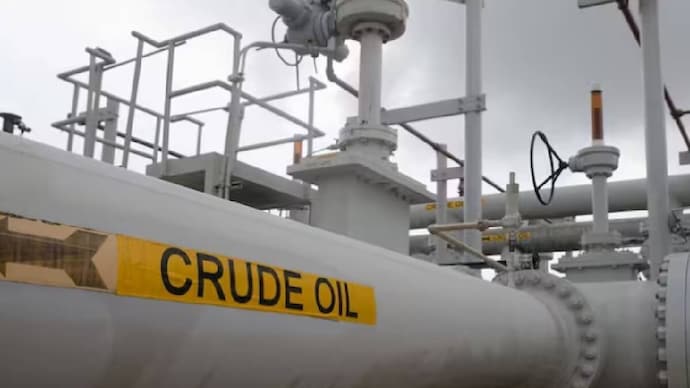
Global crude oil prices are climbing again, and that is putting pressure on India's oil marketing companies (OMCs). While higher crude costs have reduced profits from selling petrol and diesel, strong refining margins are helping companies cushion the impact and keep overall earnings healthy.
The latest weekly report by Equirus Securities says that although fuel retail margins have weakened sharply, robust refining gains continue to support the profitability of integrated oil companies, reported ANI.
CRUDE OIL PRICES MOVE HIGHER
According to the report, Brent Crude rose 5.4% week-on-week to USD 88.1 per barrel, while the Indian crude basket increased 2.5% to USD 81.4 per barrel.
As crude oil became more expensive, the cost of supplying fuel also increased, putting pressure on the margins earned by oil marketing companies.
PETROL AND DIESEL MARKETING MARGINS SHRINK
The report said retail fuel marketing margins declined sharply during the week.
Petrol marketing margins fell 42.1% week-on-week to Rs 4.5 per litre. On the other hand, diesel margins weakened even further, with losses increasing to Rs 20.4 per litre, compared with Rs 15.4 per litre a week earlier.
According to the report, the rise in crude oil prices was the main reason behind the fall in fuel marketing margins.
While fuel retailing came under pressure, refining operations continued to perform strongly.
The report said gasoline crack spreads rose 15.8% week-on-week to USD 27.3 per barrel, while gasoil and jet fuel crack spreads increased to USD 65.2 per barrel.
Further, the brokerage attributed the strong refining margins to tight global supplies of refined fuels, Russia's restrictions on diesel exports and ongoing geopolitical tensions in West Asia.
OVERALL PROFITABILITY REMAINS STRONG
Despite weaker fuel marketing margins, integrated profits, which combine refining and fuel marketing performance, remained well above recent averages.
Petrol integrated margins slipped 4.3% week-on-week to Rs 21 per litre, while diesel integrated margins eased 2.5% to Rs 19.1 per litre.
Even after the decline, both remained significantly higher than their three-month and six-month average levels, indicating that refining gains continue to offset much of the pressure from fuel retailing.
Although refining margins are likely to remain strong over the next one to two quarters, they are expected to soften as refinery utilisation increases and global fuel inventories are rebuilt, the report mentioned.
Global crude oil prices are climbing again, and that is putting pressure on India's oil marketing companies (OMCs). While higher crude costs have reduced profits from selling petrol and diesel, strong refining margins are helping companies cushion the impact and keep overall earnings healthy.
The latest weekly report by Equirus Securities says that although fuel retail margins have weakened sharply, robust refining gains continue to support the profitability of integrated oil companies, reported ANI.
CRUDE OIL PRICES MOVE HIGHER
According to the report, Brent Crude rose 5.4% week-on-week to USD 88.1 per barrel, while the Indian crude basket increased 2.5% to USD 81.4 per barrel.
As crude oil became more expensive, the cost of supplying fuel also increased, putting pressure on the margins earned by oil marketing companies.
PETROL AND DIESEL MARKETING MARGINS SHRINK
The report said retail fuel marketing margins declined sharply during the week.
Petrol marketing margins fell 42.1% week-on-week to Rs 4.5 per litre. On the other hand, diesel margins weakened even further, with losses increasing to Rs 20.4 per litre, compared with Rs 15.4 per litre a week earlier.
According to the report, the rise in crude oil prices was the main reason behind the fall in fuel marketing margins.
While fuel retailing came under pressure, refining operations continued to perform strongly.
The report said gasoline crack spreads rose 15.8% week-on-week to USD 27.3 per barrel, while gasoil and jet fuel crack spreads increased to USD 65.2 per barrel.
Further, the brokerage attributed the strong refining margins to tight global supplies of refined fuels, Russia's restrictions on diesel exports and ongoing geopolitical tensions in West Asia.
OVERALL PROFITABILITY REMAINS STRONG
Despite weaker fuel marketing margins, integrated profits, which combine refining and fuel marketing performance, remained well above recent averages.
Petrol integrated margins slipped 4.3% week-on-week to Rs 21 per litre, while diesel integrated margins eased 2.5% to Rs 19.1 per litre.
Even after the decline, both remained significantly higher than their three-month and six-month average levels, indicating that refining gains continue to offset much of the pressure from fuel retailing.
Although refining margins are likely to remain strong over the next one to two quarters, they are expected to soften as refinery utilisation increases and global fuel inventories are rebuilt, the report mentioned.
Global crude oil prices are climbing again, and that is putting pressure on India's oil marketing companies (OMCs). While higher crude costs have reduced profits from selling petrol and diesel, strong refining margins are helping companies cushion the impact and keep overall earnings healthy.
The latest weekly report by Equirus Securities says that although fuel retail margins have weakened sharply, robust refining gains continue to support the profitability of integrated oil companies, reported ANI.
CRUDE OIL PRICES MOVE HIGHER
According to the report, Brent Crude rose 5.4% week-on-week to USD 88.1 per barrel, while the Indian crude basket increased 2.5% to USD 81.4 per barrel.
As crude oil became more expensive, the cost of supplying fuel also increased, putting pressure on the margins earned by oil marketing companies.
PETROL AND DIESEL MARKETING MARGINS SHRINK
The report said retail fuel marketing margins declined sharply during the week.
Petrol marketing margins fell 42.1% week-on-week to Rs 4.5 per litre. On the other hand, diesel margins weakened even further, with losses increasing to Rs 20.4 per litre, compared with Rs 15.4 per litre a week earlier.
According to the report, the rise in crude oil prices was the main reason behind the fall in fuel marketing margins.
While fuel retailing came under pressure, refining operations continued to perform strongly.
The report said gasoline crack spreads rose 15.8% week-on-week to USD 27.3 per barrel, while gasoil and jet fuel crack spreads increased to USD 65.2 per barrel.
Further, the brokerage attributed the strong refining margins to tight global supplies of refined fuels, Russia's restrictions on diesel exports and ongoing geopolitical tensions in West Asia.
OVERALL PROFITABILITY REMAINS STRONG
Despite weaker fuel marketing margins, integrated profits, which combine refining and fuel marketing performance, remained well above recent averages.
Petrol integrated margins slipped 4.3% week-on-week to Rs 21 per litre, while diesel integrated margins eased 2.5% to Rs 19.1 per litre.
Even after the decline, both remained significantly higher than their three-month and six-month average levels, indicating that refining gains continue to offset much of the pressure from fuel retailing.
Although refining margins are likely to remain strong over the next one to two quarters, they are expected to soften as refinery utilisation increases and global fuel inventories are rebuilt, the report mentioned.

