Why the government is cracking down on restaurant service charges now
The government has stepped up action against restaurants that add service charges by default. The move signals stricter enforcement after court backing and consumer complaints.
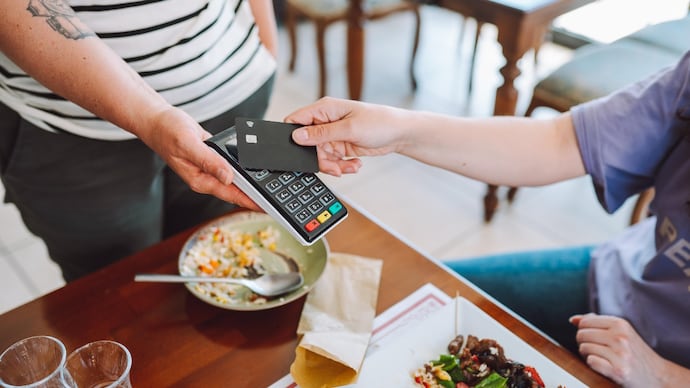
The government has stepped up its action against restaurants that continue to levy mandatory service charges, signalling that establishments flouting consumer protection rules could face stricter scrutiny.
Consumer Affairs Minister Pralhad Joshi on Monday said restaurants cannot force customers to pay a service charge. His remarks came as the Central Consumer Protection Authority (CCPA) expanded its crackdown after receiving complaints that several restaurants were automatically adding service charges to customers' bills.
The CCPA has initiated suo motu action against 41 restaurants across the country based on complaints received through the National Consumer Helpline.
For many diners, however, the obvious question is: Wasn't service charge always allowed?
The answer is yes, but only if it is voluntary.
The confusion exists because service charges have appeared on restaurant bills for years, leading many customers to believe they are compulsory. In reality, the government has consistently maintained that restaurants cannot force customers to pay them.
The issue first came to the fore in July 2022, when the CCPA issued guidelines stating that restaurants cannot automatically add a service charge to food bills. According to the regulator, customers are legally required to pay only for the food they order, applicable taxes and any charges authorised by law. A mandatory service charge, it said, amounts to an unfair trade practice under the Consumer Protection Act.
Restaurant associations challenged these guidelines in the Delhi High Court, arguing that service charges were part of their business model and that customers were informed about them through menus and notices displayed at their outlets.
However, in March 2025, the Delhi High Court upheld the CCPA's guidelines, clearing the way for stricter enforcement. With the legal uncertainty removed, the government has now begun acting more aggressively against restaurants that continue to add service charges by default.
The latest action against 41 restaurants reflects that shift. According to the CCPA, several establishments were automatically adding service charges to bills without customers' consent or refusing to remove them when requested.
The government has repeatedly clarified that it is not against tipping. Customers are free to leave a tip or voluntarily pay a service charge if they are happy with the service they receive.
What restaurants cannot do is present the charge as mandatory, automatically include it in the bill without giving customers a choice, refuse to remove it when asked or deny service because a customer declines to pay. The government has also clarified that GST cannot be levied on a mandatory service charge.
For diners, the takeaway is straightforward. If a restaurant bill includes a service charge that you do not wish to pay, you can ask for it to be removed. If the restaurant refuses, you can lodge a complaint through the National Consumer Helpline.
The government's latest crackdown marks a shift from issuing guidelines to actively enforcing them. For consumers, it reinforces a simple principle: paying a service charge is a choice, not an obligation.
The government has stepped up its action against restaurants that continue to levy mandatory service charges, signalling that establishments flouting consumer protection rules could face stricter scrutiny.
Consumer Affairs Minister Pralhad Joshi on Monday said restaurants cannot force customers to pay a service charge. His remarks came as the Central Consumer Protection Authority (CCPA) expanded its crackdown after receiving complaints that several restaurants were automatically adding service charges to customers' bills.
The CCPA has initiated suo motu action against 41 restaurants across the country based on complaints received through the National Consumer Helpline.
For many diners, however, the obvious question is: Wasn't service charge always allowed?
The answer is yes, but only if it is voluntary.
The confusion exists because service charges have appeared on restaurant bills for years, leading many customers to believe they are compulsory. In reality, the government has consistently maintained that restaurants cannot force customers to pay them.
The issue first came to the fore in July 2022, when the CCPA issued guidelines stating that restaurants cannot automatically add a service charge to food bills. According to the regulator, customers are legally required to pay only for the food they order, applicable taxes and any charges authorised by law. A mandatory service charge, it said, amounts to an unfair trade practice under the Consumer Protection Act.
Restaurant associations challenged these guidelines in the Delhi High Court, arguing that service charges were part of their business model and that customers were informed about them through menus and notices displayed at their outlets.
However, in March 2025, the Delhi High Court upheld the CCPA's guidelines, clearing the way for stricter enforcement. With the legal uncertainty removed, the government has now begun acting more aggressively against restaurants that continue to add service charges by default.
The latest action against 41 restaurants reflects that shift. According to the CCPA, several establishments were automatically adding service charges to bills without customers' consent or refusing to remove them when requested.
The government has repeatedly clarified that it is not against tipping. Customers are free to leave a tip or voluntarily pay a service charge if they are happy with the service they receive.
What restaurants cannot do is present the charge as mandatory, automatically include it in the bill without giving customers a choice, refuse to remove it when asked or deny service because a customer declines to pay. The government has also clarified that GST cannot be levied on a mandatory service charge.
For diners, the takeaway is straightforward. If a restaurant bill includes a service charge that you do not wish to pay, you can ask for it to be removed. If the restaurant refuses, you can lodge a complaint through the National Consumer Helpline.
The government's latest crackdown marks a shift from issuing guidelines to actively enforcing them. For consumers, it reinforces a simple principle: paying a service charge is a choice, not an obligation.
The government has stepped up its action against restaurants that continue to levy mandatory service charges, signalling that establishments flouting consumer protection rules could face stricter scrutiny.
Consumer Affairs Minister Pralhad Joshi on Monday said restaurants cannot force customers to pay a service charge. His remarks came as the Central Consumer Protection Authority (CCPA) expanded its crackdown after receiving complaints that several restaurants were automatically adding service charges to customers' bills.
The CCPA has initiated suo motu action against 41 restaurants across the country based on complaints received through the National Consumer Helpline.
For many diners, however, the obvious question is: Wasn't service charge always allowed?
The answer is yes, but only if it is voluntary.
The confusion exists because service charges have appeared on restaurant bills for years, leading many customers to believe they are compulsory. In reality, the government has consistently maintained that restaurants cannot force customers to pay them.
The issue first came to the fore in July 2022, when the CCPA issued guidelines stating that restaurants cannot automatically add a service charge to food bills. According to the regulator, customers are legally required to pay only for the food they order, applicable taxes and any charges authorised by law. A mandatory service charge, it said, amounts to an unfair trade practice under the Consumer Protection Act.
Restaurant associations challenged these guidelines in the Delhi High Court, arguing that service charges were part of their business model and that customers were informed about them through menus and notices displayed at their outlets.
However, in March 2025, the Delhi High Court upheld the CCPA's guidelines, clearing the way for stricter enforcement. With the legal uncertainty removed, the government has now begun acting more aggressively against restaurants that continue to add service charges by default.
The latest action against 41 restaurants reflects that shift. According to the CCPA, several establishments were automatically adding service charges to bills without customers' consent or refusing to remove them when requested.
The government has repeatedly clarified that it is not against tipping. Customers are free to leave a tip or voluntarily pay a service charge if they are happy with the service they receive.
What restaurants cannot do is present the charge as mandatory, automatically include it in the bill without giving customers a choice, refuse to remove it when asked or deny service because a customer declines to pay. The government has also clarified that GST cannot be levied on a mandatory service charge.
For diners, the takeaway is straightforward. If a restaurant bill includes a service charge that you do not wish to pay, you can ask for it to be removed. If the restaurant refuses, you can lodge a complaint through the National Consumer Helpline.
The government's latest crackdown marks a shift from issuing guidelines to actively enforcing them. For consumers, it reinforces a simple principle: paying a service charge is a choice, not an obligation.

