Will India raise ethanol blending beyond 20%? Here's what the Minister says
Responding to concerns about vehicle performance, the Minister said the government has not received any widespread or verified complaints from vehicle manufacturers, automobile associations or consumer groups regarding engine failure, fuel pump problems, corrosion or water contamination linked to E20 fuel.
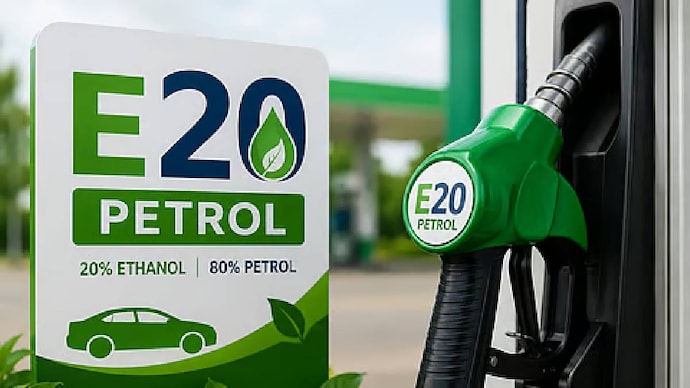
The government has not taken any decision to increase ethanol blending in petrol beyond the current 20% level, Minister of State for Petroleum and Natural Gas Suresh Gopi told the Rajya Sabha on Monday, reported PTI.
He said any move to raise the blending percentage will be considered only after detailed scientific studies and discussions with all key stakeholders, including automobile manufacturers, oil marketing companies and research institutions.
In a written reply, Gopi said India has already achieved its target of 20% ethanol blending five years ahead of schedule. The average blending level has increased from about 1.53% in 2013-14 to 20% in the 2025-26 supply year after more than two decades of gradual implementation.
GOVERNMENT HIGHLIGHTS BENEFITS OF ETHANOL PROGRAMME
The minister said the Ethanol Blended Petrol (EBP) Programme has delivered significant economic and environmental benefits since 2014-15. According to him, the initiative has helped save more than Rs 1.97 trillion in foreign exchange by reducing crude oil imports. It has also displaced nearly 316 lakh tonnes of crude oil and prevented around 952 lakh tonnes of carbon dioxide emissions.
Besides reducing import dependence, the programme has also generated additional income of more than Rs 1.66 lakh crore for farmers, he added.
NO WIDESPREAD COMPLAINTS OVER E20 FUEL
Responding to concerns about vehicle performance, Gopi said the government has not received any widespread or verified complaints from vehicle manufacturers, automobile associations or consumer groups regarding engine failure, fuel pump problems, corrosion or water contamination linked to E20 fuel.
He said concerns raised in the media and on social media have been examined scientifically. More than 20 crore two-wheelers and over 3 crore petrol cars, including many that were not originally certified for E20 fuel, have been running on E15-plus and E19-E20 petrol for several years without any verified evidence of widespread engine failure or vehicle breakdown.
The minister also referred to service data from a leading four-wheeler manufacturer covering 2.84 crore vehicles in 2025-26, including 1.5 crore non-E20-certified vehicles, which found no damage linked to the fuel. Similar findings were reported by a leading two-wheeler manufacturer.
He added that older vehicles designed for E10 fuel may see a small reduction in mileage of around 3-5%, but E20 provides higher octane levels and cleaner combustion. Vehicle manufacturers also continue to honour warranties for vehicles using standard E20 fuel.
FOOD SECURITY AND WATER USE REMAIN PROTECTED
Gopi said the ethanol blending programme has not affected food security because only surplus grains are used after meeting the requirements of the Public Distribution System, the National Food Security Act and buffer stock norms.
Rice diverted for ethanol production increased to 39.28 lakh tonnes in 2025-26 up to June 30 from 31.11 lakh tonnes in the previous year, while maize diversion declined to 67.87 lakh tonnes from 131.18 lakh tonnes. He said retail prices of rice and sugar have not been affected and described the programme as a "waste-to-wealth" initiative.
The minister added that the government has diversified ethanol feedstocks beyond sugarcane to include maize, which now accounts for about 37% of ethanol production. He also said ethanol plants use around 3-5 litres of processed water to produce one litre of ethanol, and all distilleries are required to operate as zero-liquid-discharge units.
Gopi also said there is no proposal to offer lower-blend or non-blended petrol at selected fuel stations, as maintaining separate supply chains would increase costs and reduce the environmental and farmer-income benefits of the programme.
The government has not taken any decision to increase ethanol blending in petrol beyond the current 20% level, Minister of State for Petroleum and Natural Gas Suresh Gopi told the Rajya Sabha on Monday, reported PTI.
He said any move to raise the blending percentage will be considered only after detailed scientific studies and discussions with all key stakeholders, including automobile manufacturers, oil marketing companies and research institutions.
In a written reply, Gopi said India has already achieved its target of 20% ethanol blending five years ahead of schedule. The average blending level has increased from about 1.53% in 2013-14 to 20% in the 2025-26 supply year after more than two decades of gradual implementation.
GOVERNMENT HIGHLIGHTS BENEFITS OF ETHANOL PROGRAMME
The minister said the Ethanol Blended Petrol (EBP) Programme has delivered significant economic and environmental benefits since 2014-15. According to him, the initiative has helped save more than Rs 1.97 trillion in foreign exchange by reducing crude oil imports. It has also displaced nearly 316 lakh tonnes of crude oil and prevented around 952 lakh tonnes of carbon dioxide emissions.
Besides reducing import dependence, the programme has also generated additional income of more than Rs 1.66 lakh crore for farmers, he added.
NO WIDESPREAD COMPLAINTS OVER E20 FUEL
Responding to concerns about vehicle performance, Gopi said the government has not received any widespread or verified complaints from vehicle manufacturers, automobile associations or consumer groups regarding engine failure, fuel pump problems, corrosion or water contamination linked to E20 fuel.
He said concerns raised in the media and on social media have been examined scientifically. More than 20 crore two-wheelers and over 3 crore petrol cars, including many that were not originally certified for E20 fuel, have been running on E15-plus and E19-E20 petrol for several years without any verified evidence of widespread engine failure or vehicle breakdown.
The minister also referred to service data from a leading four-wheeler manufacturer covering 2.84 crore vehicles in 2025-26, including 1.5 crore non-E20-certified vehicles, which found no damage linked to the fuel. Similar findings were reported by a leading two-wheeler manufacturer.
He added that older vehicles designed for E10 fuel may see a small reduction in mileage of around 3-5%, but E20 provides higher octane levels and cleaner combustion. Vehicle manufacturers also continue to honour warranties for vehicles using standard E20 fuel.
FOOD SECURITY AND WATER USE REMAIN PROTECTED
Gopi said the ethanol blending programme has not affected food security because only surplus grains are used after meeting the requirements of the Public Distribution System, the National Food Security Act and buffer stock norms.
Rice diverted for ethanol production increased to 39.28 lakh tonnes in 2025-26 up to June 30 from 31.11 lakh tonnes in the previous year, while maize diversion declined to 67.87 lakh tonnes from 131.18 lakh tonnes. He said retail prices of rice and sugar have not been affected and described the programme as a "waste-to-wealth" initiative.
The minister added that the government has diversified ethanol feedstocks beyond sugarcane to include maize, which now accounts for about 37% of ethanol production. He also said ethanol plants use around 3-5 litres of processed water to produce one litre of ethanol, and all distilleries are required to operate as zero-liquid-discharge units.
Gopi also said there is no proposal to offer lower-blend or non-blended petrol at selected fuel stations, as maintaining separate supply chains would increase costs and reduce the environmental and farmer-income benefits of the programme.
The government has not taken any decision to increase ethanol blending in petrol beyond the current 20% level, Minister of State for Petroleum and Natural Gas Suresh Gopi told the Rajya Sabha on Monday, reported PTI.
He said any move to raise the blending percentage will be considered only after detailed scientific studies and discussions with all key stakeholders, including automobile manufacturers, oil marketing companies and research institutions.
In a written reply, Gopi said India has already achieved its target of 20% ethanol blending five years ahead of schedule. The average blending level has increased from about 1.53% in 2013-14 to 20% in the 2025-26 supply year after more than two decades of gradual implementation.
GOVERNMENT HIGHLIGHTS BENEFITS OF ETHANOL PROGRAMME
The minister said the Ethanol Blended Petrol (EBP) Programme has delivered significant economic and environmental benefits since 2014-15. According to him, the initiative has helped save more than Rs 1.97 trillion in foreign exchange by reducing crude oil imports. It has also displaced nearly 316 lakh tonnes of crude oil and prevented around 952 lakh tonnes of carbon dioxide emissions.
Besides reducing import dependence, the programme has also generated additional income of more than Rs 1.66 lakh crore for farmers, he added.
NO WIDESPREAD COMPLAINTS OVER E20 FUEL
Responding to concerns about vehicle performance, Gopi said the government has not received any widespread or verified complaints from vehicle manufacturers, automobile associations or consumer groups regarding engine failure, fuel pump problems, corrosion or water contamination linked to E20 fuel.
He said concerns raised in the media and on social media have been examined scientifically. More than 20 crore two-wheelers and over 3 crore petrol cars, including many that were not originally certified for E20 fuel, have been running on E15-plus and E19-E20 petrol for several years without any verified evidence of widespread engine failure or vehicle breakdown.
The minister also referred to service data from a leading four-wheeler manufacturer covering 2.84 crore vehicles in 2025-26, including 1.5 crore non-E20-certified vehicles, which found no damage linked to the fuel. Similar findings were reported by a leading two-wheeler manufacturer.
He added that older vehicles designed for E10 fuel may see a small reduction in mileage of around 3-5%, but E20 provides higher octane levels and cleaner combustion. Vehicle manufacturers also continue to honour warranties for vehicles using standard E20 fuel.
FOOD SECURITY AND WATER USE REMAIN PROTECTED
Gopi said the ethanol blending programme has not affected food security because only surplus grains are used after meeting the requirements of the Public Distribution System, the National Food Security Act and buffer stock norms.
Rice diverted for ethanol production increased to 39.28 lakh tonnes in 2025-26 up to June 30 from 31.11 lakh tonnes in the previous year, while maize diversion declined to 67.87 lakh tonnes from 131.18 lakh tonnes. He said retail prices of rice and sugar have not been affected and described the programme as a "waste-to-wealth" initiative.
The minister added that the government has diversified ethanol feedstocks beyond sugarcane to include maize, which now accounts for about 37% of ethanol production. He also said ethanol plants use around 3-5 litres of processed water to produce one litre of ethanol, and all distilleries are required to operate as zero-liquid-discharge units.
Gopi also said there is no proposal to offer lower-blend or non-blended petrol at selected fuel stations, as maintaining separate supply chains would increase costs and reduce the environmental and farmer-income benefits of the programme.

