Side effects of ethanol blending: Food inflation may bite
Despite the sharp decline in overall kharif sowing, the area under sugarcane has continued to expand.


Two back-to-back inflation reports, covering the consumer and wholesale price indices, signal a looming resurgence in food inflation. Food inflation in the consumer price index climbed to 5.32 per cent in June. It was just shy of five per cent in May, and a modest two per cent in January. Data released on July 14 shows wholesale food price inflation accelerating to nearly 5.5 per cent in June from 3.6 per cent in May.
The deficient monsoon has already emerged as a key risk. A decline in the sowing acreage of rice, pulses and oilseeds is likely to put upward pressure on food prices in the months ahead. At the same time, renewed tensions in West Asia following the resumption of hostilities between the US and Iran could push up fertiliser prices, raising input costs for farmers.
A review of kharif sowing data points to a sharp decline in the acreage under rice, pulses and oilseeds as of July 5 compared with the corresponding period last year. With the bulk of kharif sowing taking place in July, a slowdown during this critical month could weigh on crop production and add to concerns over food inflation.
SUGARCANE SOWING AREA GOING UP
The sharpest decline in sowing acreage was in oilseeds, down by 43 lakh hectares, followed by cotton, which fell by nearly 19 lakh hectares. Gujarat and Maharashtra, India's leading cotton-producing states, have been among the worst affected. According to the latest data from the India Meteorological Department, Gujarat has recorded a 22 per cent rainfall deficit during the ongoing monsoon season, while Maharashtra's deficit stands at five per cent.
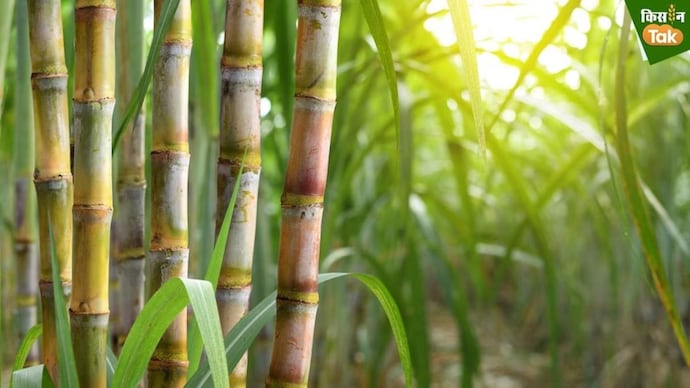
Despite the sharp decline in overall kharif sowing, the area under sugarcane has continued to expand, according to data from the Ministry of Agriculture and Farmers' Welfare. The area under sugarcane stood at 51 lakh hectares in 2018–19 and has grown steadily since then. It now exceeds 57 lakh hectares. In terms of area under cultivation, Uttar Pradesh is the country's largest sugarcane producer, accounting for nearly 45 per cent of the total acreage under the crop. Maharashtra is a distant second.
Sugarcane is one of the primary feedstocks for ethanol production, and its share in ethanol output has risen steadily since 2019–20. India launched a pilot programme to blend ethanol with petrol in 2001. However, the blending rate remained stuck at around 1.5 per cent until 2014. It increased to 10 per cent in 2021–22 and reached 20 per cent in 2025–26.
Apart from sugarcane, maize is the other major feedstock for ethanol production, accounting for nearly 45 per cent of the total output. Molasses also continues to account for a significant share of ethanol production.
The rising preference for sugarcane, despite its reputation as a water-intensive crop, indicates that it remains a remunerative option for farmers.
Two back-to-back inflation reports, covering the consumer and wholesale price indices, signal a looming resurgence in food inflation. Food inflation in the consumer price index climbed to 5.32 per cent in June. It was just shy of five per cent in May, and a modest two per cent in January. Data released on July 14 shows wholesale food price inflation accelerating to nearly 5.5 per cent in June from 3.6 per cent in May.
The deficient monsoon has already emerged as a key risk. A decline in the sowing acreage of rice, pulses and oilseeds is likely to put upward pressure on food prices in the months ahead. At the same time, renewed tensions in West Asia following the resumption of hostilities between the US and Iran could push up fertiliser prices, raising input costs for farmers.
A review of kharif sowing data points to a sharp decline in the acreage under rice, pulses and oilseeds as of July 5 compared with the corresponding period last year. With the bulk of kharif sowing taking place in July, a slowdown during this critical month could weigh on crop production and add to concerns over food inflation.
SUGARCANE SOWING AREA GOING UP
The sharpest decline in sowing acreage was in oilseeds, down by 43 lakh hectares, followed by cotton, which fell by nearly 19 lakh hectares. Gujarat and Maharashtra, India's leading cotton-producing states, have been among the worst affected. According to the latest data from the India Meteorological Department, Gujarat has recorded a 22 per cent rainfall deficit during the ongoing monsoon season, while Maharashtra's deficit stands at five per cent.
Despite the sharp decline in overall kharif sowing, the area under sugarcane has continued to expand, according to data from the Ministry of Agriculture and Farmers' Welfare. The area under sugarcane stood at 51 lakh hectares in 2018–19 and has grown steadily since then. It now exceeds 57 lakh hectares. In terms of area under cultivation, Uttar Pradesh is the country's largest sugarcane producer, accounting for nearly 45 per cent of the total acreage under the crop. Maharashtra is a distant second.
Sugarcane is one of the primary feedstocks for ethanol production, and its share in ethanol output has risen steadily since 2019–20. India launched a pilot programme to blend ethanol with petrol in 2001. However, the blending rate remained stuck at around 1.5 per cent until 2014. It increased to 10 per cent in 2021–22 and reached 20 per cent in 2025–26.
Apart from sugarcane, maize is the other major feedstock for ethanol production, accounting for nearly 45 per cent of the total output. Molasses also continues to account for a significant share of ethanol production.
The rising preference for sugarcane, despite its reputation as a water-intensive crop, indicates that it remains a remunerative option for farmers.

