How recurring landslides in Wayanad ring ecological warnings for Kerala
The tunnel project landslide in Kalladi occurred just 5 km off the site of the devastating 2024 Wayanad calamity that had killed over 400 people
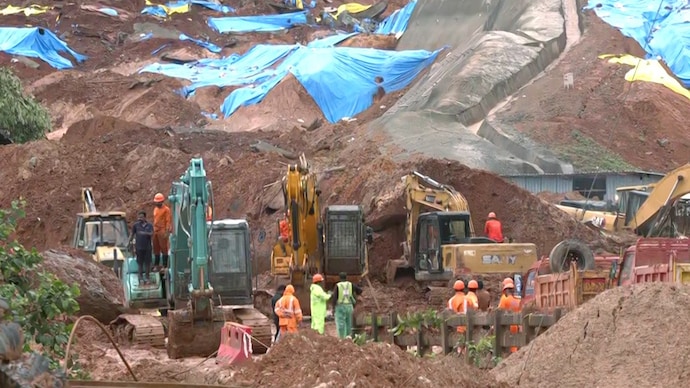
The landslide at a tunnel project site in Wayanad’s Kalladi on July 7, which killed eight workers, indicates the ecological damage of this belt is far from reversed and is rather spiralling into frequent and unpredictable tragedies.
Heavy monsoon showers triggered the massive debris slip near the mouth of the Anakkampoyil-Meppadi tunnel site in Meppadi. Such was the intensity of the spillage that rescuers found the body of one of the workers in a pond at a tea estate 1.5 km away.
The 8.73-km-long twin tube tunnel (two plus two lane) project, worth over Rs 2,000 crore, has been under construction since last August. It is meant to create an alternative travel route from the treacherous Thamarassery Ghat road connecting Kozhikode to Wayanad.
Ironically, the landslide struck just 5 km off Chooralmala, one of the zones ravaged by the Wayanad landslides of July 30, 2024. “The Kalladi tragedy is a man-made disaster. The tunnelling company, government, disaster management authorities and district administration are responsible,” said N. Badusha, general secretary of the Wayanad Environmental Protection Council.
“The previous government launched the project with a massive investment but without factoring in the region’s ecological vulnerability. We fear more disasters if the project continues,” Badusha told INDIA TODAY.
Badusha, 75, is a well-known eco-warrior of Kerala, and had run several agitations against the tunnel project, pleading for a more sensible assessment of ecological factors before cutting hills and tunnelling through them.
Idukki, Palakkad and Wayanad as regions most affected by this ‘development’ wave in the Western Ghats. Noted ecologist Madhav Gadgil had headed the Western Ghats Ecology Expert Panel constituted by the Union ministry of environment, forests and climate change. In the panel’s 2011 report, the entire Wayanad region was classified as “fragile, medium fragile and less fragile”. The report recommended a ban on all “environmentally hazardous” human activity in Wayanad.
This year, the Union ministry notified 13 villages in Mananthavady and Vythiri taluks of Wayanad district as ecologically sensitive areas for the Western Ghats, and directed the Kerala government to regulate commercial activities, such as quarrying, mining and large-scale construction, to protect the ecosystem.
Warnings by environmentalists aside, disasters hit Kerala’s hilly regions every monsoon. In the case of the Kalladi landslide, the Meppadi panchayat claims faults in how the project was being handled. “We raised concerns about the construction company piling up excavated soil and directed it to remove it from the site before monsoon as it posed a threat to residents. But no action was taken,” alleged Ramla Hamsa, head of the Meppadi panchayat.
Agriculture minister T. Siddique, who is the MLA from Kalpetta in Wayanad, also blamed the firm for the tragedy. “The district administration had directed the company to clear the soil pile-up from the area and stop construction during monsoon. But the company engaged workers for carrying out work,” he claimed to INDIA TODAY.
The state government has formed an expert committee to identify lapses that led to the landslide and evaluate the project itself. The panel includes geologist C.P Surendran. After the Wayanad landslides of 2024, Kerala had introduced a disaster early warning system to predict calamities and minimise casualties. The question doing the rounds today is why it could not prevent the loss of lives in Kalladi.
Subscribe to India Today Magazine
The landslide at a tunnel project site in Wayanad’s Kalladi on July 7, which killed eight workers, indicates the ecological damage of this belt is far from reversed and is rather spiralling into frequent and unpredictable tragedies.
Heavy monsoon showers triggered the massive debris slip near the mouth of the Anakkampoyil-Meppadi tunnel site in Meppadi. Such was the intensity of the spillage that rescuers found the body of one of the workers in a pond at a tea estate 1.5 km away.
The 8.73-km-long twin tube tunnel (two plus two lane) project, worth over Rs 2,000 crore, has been under construction since last August. It is meant to create an alternative travel route from the treacherous Thamarassery Ghat road connecting Kozhikode to Wayanad.
Ironically, the landslide struck just 5 km off Chooralmala, one of the zones ravaged by the Wayanad landslides of July 30, 2024. “The Kalladi tragedy is a man-made disaster. The tunnelling company, government, disaster management authorities and district administration are responsible,” said N. Badusha, general secretary of the Wayanad Environmental Protection Council.
“The previous government launched the project with a massive investment but without factoring in the region’s ecological vulnerability. We fear more disasters if the project continues,” Badusha told INDIA TODAY.
Badusha, 75, is a well-known eco-warrior of Kerala, and had run several agitations against the tunnel project, pleading for a more sensible assessment of ecological factors before cutting hills and tunnelling through them.
Idukki, Palakkad and Wayanad as regions most affected by this ‘development’ wave in the Western Ghats. Noted ecologist Madhav Gadgil had headed the Western Ghats Ecology Expert Panel constituted by the Union ministry of environment, forests and climate change. In the panel’s 2011 report, the entire Wayanad region was classified as “fragile, medium fragile and less fragile”. The report recommended a ban on all “environmentally hazardous” human activity in Wayanad.
This year, the Union ministry notified 13 villages in Mananthavady and Vythiri taluks of Wayanad district as ecologically sensitive areas for the Western Ghats, and directed the Kerala government to regulate commercial activities, such as quarrying, mining and large-scale construction, to protect the ecosystem.
Warnings by environmentalists aside, disasters hit Kerala’s hilly regions every monsoon. In the case of the Kalladi landslide, the Meppadi panchayat claims faults in how the project was being handled. “We raised concerns about the construction company piling up excavated soil and directed it to remove it from the site before monsoon as it posed a threat to residents. But no action was taken,” alleged Ramla Hamsa, head of the Meppadi panchayat.
Agriculture minister T. Siddique, who is the MLA from Kalpetta in Wayanad, also blamed the firm for the tragedy. “The district administration had directed the company to clear the soil pile-up from the area and stop construction during monsoon. But the company engaged workers for carrying out work,” he claimed to INDIA TODAY.
The state government has formed an expert committee to identify lapses that led to the landslide and evaluate the project itself. The panel includes geologist C.P Surendran. After the Wayanad landslides of 2024, Kerala had introduced a disaster early warning system to predict calamities and minimise casualties. The question doing the rounds today is why it could not prevent the loss of lives in Kalladi.
Subscribe to India Today Magazine

