How courts played umpire to fix Rajasthan Cricket Association mess
Top Rajasthan bureaucrat Bhaskar A. Sawant has been appointed administrator to hold years-long pending elections to the cricket body within three months
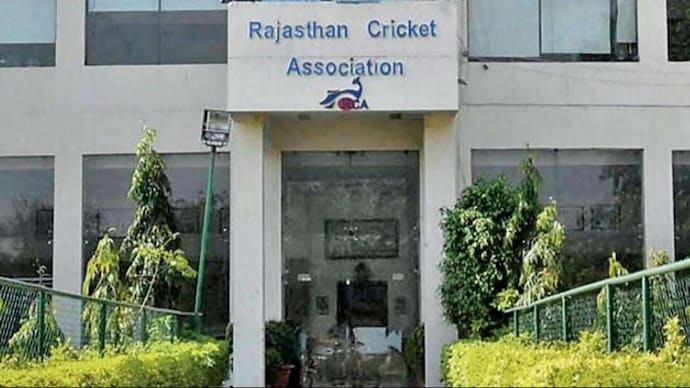
The high court’s alarm was evident. The ad hoc committee had been constituted to conduct RCA elections within three months. Instead, it continued for nearly two-and-a-half years through repeated three-month extensions under three different convenors.
During the hearing of a public interest litigation, the court questioned not only the committee’s failure to conduct elections but also sought an explanation from the Registrar of Cooperative Societies as to why the repeated extensions were allowed despite earlier judicial directions. It even warned of contempt proceedings before suspending both the committee and the government’s latest extension order.
The court has now appointed Bhaskar A. Sawant, additional chief secretary (home), as administrator with a clear mandate: declare the RCA election schedule and complete the process within three months. The administrator has been made personally responsible for ensuring compliance with the timeline laid down by the court.
The RCA is perhaps one of the most politically contested sports bodies in Rajasthan. Control over the association has rarely been confined to cricket administrators. Politicians cutting across parties, their family members and supporters have dominated district cricket associations for years.
Even within the ruling BJP, rival factions compete fiercely for influence because the RCA controls a prestigious institution associated with IPL matches, international fixtures, sponsorships and substantial financial resources. Its former heads include Lalit Modi, the founder of IPL; C.P. Joshi, a veteran Congress leader; Vaibhav Gehlot, son of former chief minister Ashok Gehlot; and Sanjay Dixit, formerly an IAS officer.
That explains why elections have never been a routine organisational exercise. They are seen as political contests fought through district associations, litigation and administrative manoeuvring. Of the 33 district cricket associations, several remain outside the influence of the ruling establishment, while others are themselves divided into competing camps. Conducting free elections, therefore, requires an administrator who enjoys institutional authority and political neutrality.
The state government’s stand before the Supreme Court is equally significant. Rather than aggressively defending the ad hoc committee, it questioned the committee’s locus standi to challenge the high court’s order, effectively signalling its willingness to proceed with elections. That substantially reduced the scope for prolonged litigation and enabled the judicial directions to attain finality.
However, it is not known whom the government is going to back in elections, but it is unlikely that anyone without backing of the ruling BJP can become RCA president and run it efficiently. At the same time, elections alone will not resolve the RCA’s credibility deficit. During the tenure of the ad hoc committee, allegations ranging from financial irregularities and black-marketing of tickets during IPL matches to questionable legal expenditures have periodically surfaced in the public domain.
Rival factions have repeatedly accused each other of corruption while investigations into earlier FIRs, concerning alleged irregularities in the Congress-era RCA administration and allegations relating to the construction of the new stadium, have made little visible progress. Most allegations remain unproven, but equally importantly, few have been conclusively investigated.
That institutional drift has damaged confidence in the association. The high court has done what courts are expected to do—restore the rulebook when institutions fail to follow it. Whether Rajasthan’s cricket establishment learns the lesson is a question only the coming election can answer.
Subscribe to India Today Magazine
The high court’s alarm was evident. The ad hoc committee had been constituted to conduct RCA elections within three months. Instead, it continued for nearly two-and-a-half years through repeated three-month extensions under three different convenors.
During the hearing of a public interest litigation, the court questioned not only the committee’s failure to conduct elections but also sought an explanation from the Registrar of Cooperative Societies as to why the repeated extensions were allowed despite earlier judicial directions. It even warned of contempt proceedings before suspending both the committee and the government’s latest extension order.
The court has now appointed Bhaskar A. Sawant, additional chief secretary (home), as administrator with a clear mandate: declare the RCA election schedule and complete the process within three months. The administrator has been made personally responsible for ensuring compliance with the timeline laid down by the court.
The RCA is perhaps one of the most politically contested sports bodies in Rajasthan. Control over the association has rarely been confined to cricket administrators. Politicians cutting across parties, their family members and supporters have dominated district cricket associations for years.
Even within the ruling BJP, rival factions compete fiercely for influence because the RCA controls a prestigious institution associated with IPL matches, international fixtures, sponsorships and substantial financial resources. Its former heads include Lalit Modi, the founder of IPL; C.P. Joshi, a veteran Congress leader; Vaibhav Gehlot, son of former chief minister Ashok Gehlot; and Sanjay Dixit, formerly an IAS officer.
That explains why elections have never been a routine organisational exercise. They are seen as political contests fought through district associations, litigation and administrative manoeuvring. Of the 33 district cricket associations, several remain outside the influence of the ruling establishment, while others are themselves divided into competing camps. Conducting free elections, therefore, requires an administrator who enjoys institutional authority and political neutrality.
The state government’s stand before the Supreme Court is equally significant. Rather than aggressively defending the ad hoc committee, it questioned the committee’s locus standi to challenge the high court’s order, effectively signalling its willingness to proceed with elections. That substantially reduced the scope for prolonged litigation and enabled the judicial directions to attain finality.
However, it is not known whom the government is going to back in elections, but it is unlikely that anyone without backing of the ruling BJP can become RCA president and run it efficiently. At the same time, elections alone will not resolve the RCA’s credibility deficit. During the tenure of the ad hoc committee, allegations ranging from financial irregularities and black-marketing of tickets during IPL matches to questionable legal expenditures have periodically surfaced in the public domain.
Rival factions have repeatedly accused each other of corruption while investigations into earlier FIRs, concerning alleged irregularities in the Congress-era RCA administration and allegations relating to the construction of the new stadium, have made little visible progress. Most allegations remain unproven, but equally importantly, few have been conclusively investigated.
That institutional drift has damaged confidence in the association. The high court has done what courts are expected to do—restore the rulebook when institutions fail to follow it. Whether Rajasthan’s cricket establishment learns the lesson is a question only the coming election can answer.
Subscribe to India Today Magazine

