Congress attacks Centre over exam deaths; NCRB says 1,071 child suicides due to exams
Examination failure contributed to 1,071 suicides among children below 18 in 2024, according to the NCRB. The report also recorded 14,488 student suicides overall, showing that while exam pressure remains a major concern, family problems, illness and relationship issues also played a significant role.
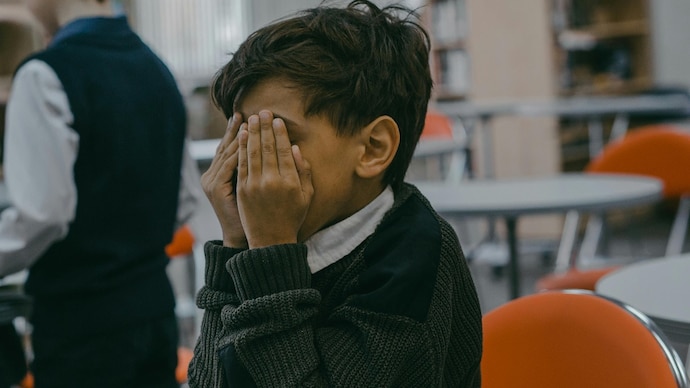
Examination pressure continues to weigh heavily on young minds in India. The latest National Crime Records Bureau (NCRB) report for 2024 shows that 1,071 children below the age of 18 died by suicide after failing examinations, making it one of the leading causes behind child suicides in the country.
The issue came back into focus in Parliament on Tuesday as Congress leaders accused the Centre of failing students over repeated examination irregularities, citing the deaths of 21 students who allegedly died by suicide following the NEET UG 2026 paper leak and cancellation.
The NCRB report recorded 11,184 suicides among children below 18 years in 2024. While "failure in examination" remains a major factor, the data also paints a much broader picture of the challenges facing children and teenagers.
Separately, the NCRB recorded 14,488 student suicides across all age groups in 2024. Students accounted for 8.5% of the country's total suicide deaths, showing that the crisis extends well beyond school-age children and into colleges and higher education.
WHAT THE NCRB DATA SHOWS
Among children below 18 years, family problems emerged as the biggest reported cause, followed by relationship issues, illness and examination failure.
Cause of suicide (Below 18 years) | Number of deaths |
|---|---|
Family problems | 3,101 |
Love affairs | 1,671 |
Illness | 1,347 |
Failure in examination | 1,071 |
The figures indicate that while exam-related stress remains a serious concern, many children who died by suicide were also struggling with problems outside the classroom.
STUDENT SUICIDES REMAIN A NATIONAL CONCERN
The profession-wise data in the NCRB report presents another worrying picture. A total of 14,488 students died by suicide in 2024, making students one of the largest occupational categories among suicide victims.
The report notes that student suicides made up 8.5% of all suicides recorded during the year, underlining that academic and campus-related pressures remain an important public concern across schools, colleges and universities.
A CRISIS WITH MANY TRIGGERS
The NCRB data suggests that reducing student suicides cannot be viewed only through the lens of examinations. For children below 18, family conflicts accounted for nearly three times as many deaths as examination failure, while illness and relationship-related issues also featured prominently.
Taken together, the figures show that academic pressure is an important part of India's student mental health crisis, but it exists alongside emotional, social and family challenges that affect children and young adults alike.
Examination pressure continues to weigh heavily on young minds in India. The latest National Crime Records Bureau (NCRB) report for 2024 shows that 1,071 children below the age of 18 died by suicide after failing examinations, making it one of the leading causes behind child suicides in the country.
The issue came back into focus in Parliament on Tuesday as Congress leaders accused the Centre of failing students over repeated examination irregularities, citing the deaths of 21 students who allegedly died by suicide following the NEET UG 2026 paper leak and cancellation.
The NCRB report recorded 11,184 suicides among children below 18 years in 2024. While "failure in examination" remains a major factor, the data also paints a much broader picture of the challenges facing children and teenagers.
Separately, the NCRB recorded 14,488 student suicides across all age groups in 2024. Students accounted for 8.5% of the country's total suicide deaths, showing that the crisis extends well beyond school-age children and into colleges and higher education.
WHAT THE NCRB DATA SHOWS
Among children below 18 years, family problems emerged as the biggest reported cause, followed by relationship issues, illness and examination failure.
Cause of suicide (Below 18 years) | Number of deaths |
|---|---|
Family problems | 3,101 |
Love affairs | 1,671 |
Illness | 1,347 |
Failure in examination | 1,071 |
The figures indicate that while exam-related stress remains a serious concern, many children who died by suicide were also struggling with problems outside the classroom.
STUDENT SUICIDES REMAIN A NATIONAL CONCERN
The profession-wise data in the NCRB report presents another worrying picture. A total of 14,488 students died by suicide in 2024, making students one of the largest occupational categories among suicide victims.
The report notes that student suicides made up 8.5% of all suicides recorded during the year, underlining that academic and campus-related pressures remain an important public concern across schools, colleges and universities.
A CRISIS WITH MANY TRIGGERS
The NCRB data suggests that reducing student suicides cannot be viewed only through the lens of examinations. For children below 18, family conflicts accounted for nearly three times as many deaths as examination failure, while illness and relationship-related issues also featured prominently.
Taken together, the figures show that academic pressure is an important part of India's student mental health crisis, but it exists alongside emotional, social and family challenges that affect children and young adults alike.
Examination pressure continues to weigh heavily on young minds in India. The latest National Crime Records Bureau (NCRB) report for 2024 shows that 1,071 children below the age of 18 died by suicide after failing examinations, making it one of the leading causes behind child suicides in the country.
The issue came back into focus in Parliament on Tuesday as Congress leaders accused the Centre of failing students over repeated examination irregularities, citing the deaths of 21 students who allegedly died by suicide following the NEET UG 2026 paper leak and cancellation.
The NCRB report recorded 11,184 suicides among children below 18 years in 2024. While "failure in examination" remains a major factor, the data also paints a much broader picture of the challenges facing children and teenagers.
Separately, the NCRB recorded 14,488 student suicides across all age groups in 2024. Students accounted for 8.5% of the country's total suicide deaths, showing that the crisis extends well beyond school-age children and into colleges and higher education.
WHAT THE NCRB DATA SHOWS
Among children below 18 years, family problems emerged as the biggest reported cause, followed by relationship issues, illness and examination failure.
Cause of suicide (Below 18 years) | Number of deaths |
|---|---|
Family problems | 3,101 |
Love affairs | 1,671 |
Illness | 1,347 |
Failure in examination | 1,071 |
The figures indicate that while exam-related stress remains a serious concern, many children who died by suicide were also struggling with problems outside the classroom.
STUDENT SUICIDES REMAIN A NATIONAL CONCERN
The profession-wise data in the NCRB report presents another worrying picture. A total of 14,488 students died by suicide in 2024, making students one of the largest occupational categories among suicide victims.
The report notes that student suicides made up 8.5% of all suicides recorded during the year, underlining that academic and campus-related pressures remain an important public concern across schools, colleges and universities.
A CRISIS WITH MANY TRIGGERS
The NCRB data suggests that reducing student suicides cannot be viewed only through the lens of examinations. For children below 18, family conflicts accounted for nearly three times as many deaths as examination failure, while illness and relationship-related issues also featured prominently.
Taken together, the figures show that academic pressure is an important part of India's student mental health crisis, but it exists alongside emotional, social and family challenges that affect children and young adults alike.

