NTA says AI-edited OMR sheets fuelled NEET-UG 2026 result row
The NTA has rejected allegations of discrepancies in the NEET-UG 2026 results and said several OMR sheets shared online were digitally manipulated. The agency said its server-side records remain intact and warned of legal action against those circulating fabricated documents.
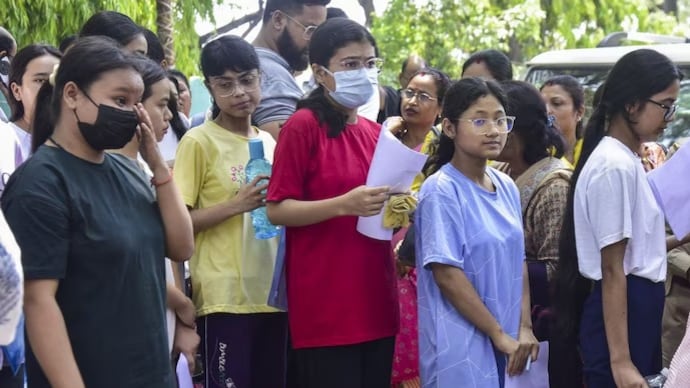
The National Testing Agency (NTA) on Monday publicly rejected allegations of discrepancies in the NEET-UG 2026 results, claiming that several OMR answer sheets circulated by candidates on social media were digitally manipulated, AI-generated and altered to falsely portray errors in evaluation.
Issuing a detailed clarification, the agency said it had identified five such cases where the OMR sheets shared publicly did not match the original records maintained by the examination authority.
NTA warned that candidates found fabricating or circulating manipulated documents could face criminal proceedings, cancellation of candidature and debarment from future examinations.
The clarification comes after multiple candidates questioned their NEET-UG 2026 scores, alleging that the marks awarded did not match their responses.
According to media reports, the agency has, for the first time, publicly flagged the use of AI-generated and digitally edited OMR sheets in an attempt to challenge the authenticity of the examination process.
HOW THE CONTROVERSY BEGAN
The issue first surfaced after the NEET-UG re-examination results were declared on July 16, when a case from Maharashtra's Beed gained attention. Candidates and their families alleged that their marks did not correspond with the official answer key.
Similar claims soon emerged from other parts of the country, with several students sharing images of OMR sheets online, alleging that their responses had either been changed or omitted during evaluation.
As scrutiny increased, NTA initiated a verification of the circulated documents and compared them with the original records available on its servers.
NTA CITES AI-GENERATED EDITS
According to the agency, forensic examination suggested that the circulated OMR sheets had been digitally altered using AI- or OCR-based tools.
NTA said additional answer bubbles were inserted, existing details were overwritten, and in some cases printed sections of the documents were regenerated to make the sheets appear genuine.
The agency maintained that all original examination records are securely stored with barcodes, booklet numbers, answer sheet numbers and server-linked QR codes, making post-examination tampering impossible.
FIVE CASES HIGHLIGHTED
NTA issued case-specific clarifications to rebut the allegations.
In the case of Avaneesh Srivastava, the agency said the genuine OMR sheet carrying his name, parents' names, signature, thumb impression and invigilators' signatures was already available in its records and had been emailed to him during the answer-key challenge window.
However, the image circulated online reportedly carried the identity of another individual, "Ajeet Singh", whose stated parentage did not exist in NTA's records.
The agency also rejected Pratibha Trivedi's claims, stating that the OMR sheet shared publicly was a significantly altered version of the original. According to NTA, her verified score remained 38 marks.
In Abhay Yadav's case, NTA said his public claim of leaving only five questions unanswered was contradicted by the official OMR, which showed 44 unattempted questions. His score of 164 marks was verified.
For Lakshya Singh, NTA alleged that additional answer bubbles had been digitally shaded in the circulated image. The original OMR reflected 54 attempted questions, including 34 correct and 20 incorrect answers, while 126 questions remained unattempted, resulting in a score of 116 marks.
In Arya Singh's case, the agency said the invigilator's signing time had been digitally altered from 3:45 pm to 2:45 pm, along with other modifications to the document. NTA said her official score of 167 marks remained unchanged.
NTA reiterated that all examination documents are backed by multiple security features and server-side records that cannot be modified through edited images. It cautioned candidates against circulating fabricated documents or attempting to mislead the public.
The National Testing Agency (NTA) on Monday publicly rejected allegations of discrepancies in the NEET-UG 2026 results, claiming that several OMR answer sheets circulated by candidates on social media were digitally manipulated, AI-generated and altered to falsely portray errors in evaluation.
Issuing a detailed clarification, the agency said it had identified five such cases where the OMR sheets shared publicly did not match the original records maintained by the examination authority.
NTA warned that candidates found fabricating or circulating manipulated documents could face criminal proceedings, cancellation of candidature and debarment from future examinations.
The clarification comes after multiple candidates questioned their NEET-UG 2026 scores, alleging that the marks awarded did not match their responses.
According to media reports, the agency has, for the first time, publicly flagged the use of AI-generated and digitally edited OMR sheets in an attempt to challenge the authenticity of the examination process.
HOW THE CONTROVERSY BEGAN
The issue first surfaced after the NEET-UG re-examination results were declared on July 16, when a case from Maharashtra's Beed gained attention. Candidates and their families alleged that their marks did not correspond with the official answer key.
Similar claims soon emerged from other parts of the country, with several students sharing images of OMR sheets online, alleging that their responses had either been changed or omitted during evaluation.
As scrutiny increased, NTA initiated a verification of the circulated documents and compared them with the original records available on its servers.
NTA CITES AI-GENERATED EDITS
According to the agency, forensic examination suggested that the circulated OMR sheets had been digitally altered using AI- or OCR-based tools.
NTA said additional answer bubbles were inserted, existing details were overwritten, and in some cases printed sections of the documents were regenerated to make the sheets appear genuine.
The agency maintained that all original examination records are securely stored with barcodes, booklet numbers, answer sheet numbers and server-linked QR codes, making post-examination tampering impossible.
FIVE CASES HIGHLIGHTED
NTA issued case-specific clarifications to rebut the allegations.
In the case of Avaneesh Srivastava, the agency said the genuine OMR sheet carrying his name, parents' names, signature, thumb impression and invigilators' signatures was already available in its records and had been emailed to him during the answer-key challenge window.
However, the image circulated online reportedly carried the identity of another individual, "Ajeet Singh", whose stated parentage did not exist in NTA's records.
The agency also rejected Pratibha Trivedi's claims, stating that the OMR sheet shared publicly was a significantly altered version of the original. According to NTA, her verified score remained 38 marks.
In Abhay Yadav's case, NTA said his public claim of leaving only five questions unanswered was contradicted by the official OMR, which showed 44 unattempted questions. His score of 164 marks was verified.
For Lakshya Singh, NTA alleged that additional answer bubbles had been digitally shaded in the circulated image. The original OMR reflected 54 attempted questions, including 34 correct and 20 incorrect answers, while 126 questions remained unattempted, resulting in a score of 116 marks.
In Arya Singh's case, the agency said the invigilator's signing time had been digitally altered from 3:45 pm to 2:45 pm, along with other modifications to the document. NTA said her official score of 167 marks remained unchanged.
NTA reiterated that all examination documents are backed by multiple security features and server-side records that cannot be modified through edited images. It cautioned candidates against circulating fabricated documents or attempting to mislead the public.
The National Testing Agency (NTA) on Monday publicly rejected allegations of discrepancies in the NEET-UG 2026 results, claiming that several OMR answer sheets circulated by candidates on social media were digitally manipulated, AI-generated and altered to falsely portray errors in evaluation.
Issuing a detailed clarification, the agency said it had identified five such cases where the OMR sheets shared publicly did not match the original records maintained by the examination authority.
NTA warned that candidates found fabricating or circulating manipulated documents could face criminal proceedings, cancellation of candidature and debarment from future examinations.
The clarification comes after multiple candidates questioned their NEET-UG 2026 scores, alleging that the marks awarded did not match their responses.
According to media reports, the agency has, for the first time, publicly flagged the use of AI-generated and digitally edited OMR sheets in an attempt to challenge the authenticity of the examination process.
HOW THE CONTROVERSY BEGAN
The issue first surfaced after the NEET-UG re-examination results were declared on July 16, when a case from Maharashtra's Beed gained attention. Candidates and their families alleged that their marks did not correspond with the official answer key.
Similar claims soon emerged from other parts of the country, with several students sharing images of OMR sheets online, alleging that their responses had either been changed or omitted during evaluation.
As scrutiny increased, NTA initiated a verification of the circulated documents and compared them with the original records available on its servers.
NTA CITES AI-GENERATED EDITS
According to the agency, forensic examination suggested that the circulated OMR sheets had been digitally altered using AI- or OCR-based tools.
NTA said additional answer bubbles were inserted, existing details were overwritten, and in some cases printed sections of the documents were regenerated to make the sheets appear genuine.
The agency maintained that all original examination records are securely stored with barcodes, booklet numbers, answer sheet numbers and server-linked QR codes, making post-examination tampering impossible.
FIVE CASES HIGHLIGHTED
NTA issued case-specific clarifications to rebut the allegations.
In the case of Avaneesh Srivastava, the agency said the genuine OMR sheet carrying his name, parents' names, signature, thumb impression and invigilators' signatures was already available in its records and had been emailed to him during the answer-key challenge window.
However, the image circulated online reportedly carried the identity of another individual, "Ajeet Singh", whose stated parentage did not exist in NTA's records.
The agency also rejected Pratibha Trivedi's claims, stating that the OMR sheet shared publicly was a significantly altered version of the original. According to NTA, her verified score remained 38 marks.
In Abhay Yadav's case, NTA said his public claim of leaving only five questions unanswered was contradicted by the official OMR, which showed 44 unattempted questions. His score of 164 marks was verified.
For Lakshya Singh, NTA alleged that additional answer bubbles had been digitally shaded in the circulated image. The original OMR reflected 54 attempted questions, including 34 correct and 20 incorrect answers, while 126 questions remained unattempted, resulting in a score of 116 marks.
In Arya Singh's case, the agency said the invigilator's signing time had been digitally altered from 3:45 pm to 2:45 pm, along with other modifications to the document. NTA said her official score of 167 marks remained unchanged.
NTA reiterated that all examination documents are backed by multiple security features and server-side records that cannot be modified through edited images. It cautioned candidates against circulating fabricated documents or attempting to mislead the public.

