Pellet injuries carry a lifelong cost, even when victims survive
Reports of pellet injuries during the July 20 student protest crackdown have intensified scrutiny of the security response. With no official confirmation of pellet gun use, medical findings and past experience have renewed questions over crowd-control tactics.
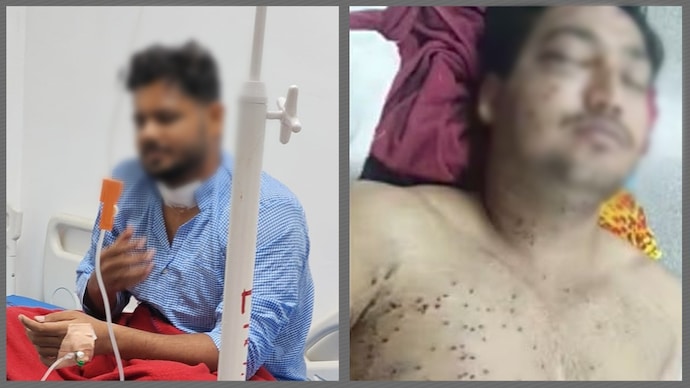
Neither hospital authorities nor security agencies have officially confirmed the use of pellet ammunition during the July 20 crackdown on protesters associated with the student-led Cockroach Janta Party (CJP)’s ‘Sansad Chalo’ march, but the nature of these injuries has intensified questions over the methods used in crowd-control operations.
The two pellet injury cases are among four cases that have drawn attention following the violence. These patients include 20-year-old Sahil Lochab, a student, who suffered extensive damage in one eye and faces the possibility of losing eyesight in that eye, apart from multiple other injuries to his face, shoulders and torso and is undergoing treatment at the All India Institute of Medical Sciences (AIIMS).
He was by the side of Congress leader Rahul Gandhi during a media briefing on Friday while the other patient, Shaikh Irshad Mansoori , was admitted at Lady Harding Medical College (LMHC) and underwent surgeries to remove pellets from the neck and eye.
Separately, there are two more individuals with reported pellet injuries – including a journalist – who are not admitted to any hospital currently as per available information.
The reports have become a flashpoint in the wider debate over the security response. Delhi Police has denied using pellet guns during the operation. However, pellet guns form part of the arsenal of the Rapid Action Force (RAF), the Central Reserve Police Force's (CRPF) specialised anti-riot unit.
According to sources, Union home ministry officials are internally examining the allegations and gathering information from multiple channels, although there has been no official statement confirming whether pellet guns were deployed.
TINY PELLETS, MASSIVE DAMAGE
Doctors say pellet injuries are unlike conventional firearm wounds because of the way the ammunition behaves after being fired. Instead of a single projectile travelling along a predictable path, a pellet cartridge releases dozens of tiny metallic pellets that disperse rapidly, making it impossible to control who or what each pellet strikes.
Dr Namit Gupta, a medico-legal expert who previously served in the emergency department at AIIMS Delhi and treated victims flown in from Jammu and Kashmir during the 2016 unrest, told India Today that the pellets spread in multiple directions and do not have a specific target once fired.
Because of this unpredictable spread, not only those directly facing security personnel, but also bystanders can be struck. Injuries are especially severe when pellets are fired from close range, as they penetrate much deeper into soft tissues.
The face and neck are among the most vulnerable areas.
Pellets embedded in these regions are painful and often require surgical removal. Damage becomes far more serious when pellets strike the eyes, where even a single tiny projectile can destroy delicate tissues and permanently impair vision. If pellets enter vital organs such as the lungs, liver or spleen, or damage major arteries or important nerves, the injuries can become life-threatening.
Doctors also caution that the danger does not necessarily end after emergency treatment. Patients require long-term monitoring because retained pellets can, in uncommon cases, trigger delayed complications including blood clots or lead-related toxicity.
A trauma surgeon at AIIMS Delhi, who requested anonymity because he was not authorised to speak publicly, said surgeons often face difficult choices in the operating theatre.
Pellets lodged just beneath the skin or within muscles of the arms, legs or shoulders are frequently left in place because attempting to retrieve every tiny fragment can cause more harm than benefit. Over time, these pellets often become surrounded by scar tissue, effectively isolating them within the body.
The surgeon said this is one reason pellet guns should remain an option of last resort during crowd control. Even then, he said, firing should only be from a safe distance and directed below the waist to minimise the risk of catastrophic injuries.
LONG MEDICAL LEGACY
India's experience with pellet guns stretches back more than a decade. They were introduced around 2010 by security forces in Jammu & Kashmir as a supposedly less-lethal option for controlling violent crowds. However, hospitals soon began documenting large numbers of devastating eye injuries, facial trauma and permanent disabilities among those struck.
During the 2016 unrest in Kashmir, AIIMS Delhi received several critically injured patients who had to be airlifted from the Valley for specialised treatment.
Doctors who managed those cases recall that many victims had sustained multiple penetrating injuries, with pellets scattered across different parts of the body, making treatment lengthy and complex.
The widespread reports of blinding injuries eventually reached the Supreme Court. In 2016, the court asked the Centre to ensure security personnel exercised careful judgment before resorting to pellet guns.
A year later, the government informed the court that pellet guns would be treated as a measure of last resort during crowd-control situations.
Questions over pellet use resurfaced during the farmers' protests at the Shambhu and Khanauri borders along the Punjab-Haryana boundary in 2024. Dr Gupta said security personnel used pellet guns during those confrontations, although authorities denied those allegations at the time. The issue remained contested, with no official acknowledgement of their deployment.
For trauma surgeons, pellet injuries are among the most challenging to manage because every patient presents a different pattern of damage. Some leave hospital after relatively minor procedures. Others require repeated surgeries, prolonged rehabilitation or lifelong follow-up.
Neither hospital authorities nor security agencies have officially confirmed the use of pellet ammunition during the July 20 crackdown on protesters associated with the student-led Cockroach Janta Party (CJP)’s ‘Sansad Chalo’ march, but the nature of these injuries has intensified questions over the methods used in crowd-control operations.
The two pellet injury cases are among four cases that have drawn attention following the violence. These patients include 20-year-old Sahil Lochab, a student, who suffered extensive damage in one eye and faces the possibility of losing eyesight in that eye, apart from multiple other injuries to his face, shoulders and torso and is undergoing treatment at the All India Institute of Medical Sciences (AIIMS).
He was by the side of Congress leader Rahul Gandhi during a media briefing on Friday while the other patient, Shaikh Irshad Mansoori , was admitted at Lady Harding Medical College (LMHC) and underwent surgeries to remove pellets from the neck and eye.
Separately, there are two more individuals with reported pellet injuries – including a journalist – who are not admitted to any hospital currently as per available information.
The reports have become a flashpoint in the wider debate over the security response. Delhi Police has denied using pellet guns during the operation. However, pellet guns form part of the arsenal of the Rapid Action Force (RAF), the Central Reserve Police Force's (CRPF) specialised anti-riot unit.
According to sources, Union home ministry officials are internally examining the allegations and gathering information from multiple channels, although there has been no official statement confirming whether pellet guns were deployed.
TINY PELLETS, MASSIVE DAMAGE
Doctors say pellet injuries are unlike conventional firearm wounds because of the way the ammunition behaves after being fired. Instead of a single projectile travelling along a predictable path, a pellet cartridge releases dozens of tiny metallic pellets that disperse rapidly, making it impossible to control who or what each pellet strikes.
Dr Namit Gupta, a medico-legal expert who previously served in the emergency department at AIIMS Delhi and treated victims flown in from Jammu and Kashmir during the 2016 unrest, told India Today that the pellets spread in multiple directions and do not have a specific target once fired.
Because of this unpredictable spread, not only those directly facing security personnel, but also bystanders can be struck. Injuries are especially severe when pellets are fired from close range, as they penetrate much deeper into soft tissues.
The face and neck are among the most vulnerable areas.
Pellets embedded in these regions are painful and often require surgical removal. Damage becomes far more serious when pellets strike the eyes, where even a single tiny projectile can destroy delicate tissues and permanently impair vision. If pellets enter vital organs such as the lungs, liver or spleen, or damage major arteries or important nerves, the injuries can become life-threatening.
Doctors also caution that the danger does not necessarily end after emergency treatment. Patients require long-term monitoring because retained pellets can, in uncommon cases, trigger delayed complications including blood clots or lead-related toxicity.
A trauma surgeon at AIIMS Delhi, who requested anonymity because he was not authorised to speak publicly, said surgeons often face difficult choices in the operating theatre.
Pellets lodged just beneath the skin or within muscles of the arms, legs or shoulders are frequently left in place because attempting to retrieve every tiny fragment can cause more harm than benefit. Over time, these pellets often become surrounded by scar tissue, effectively isolating them within the body.
The surgeon said this is one reason pellet guns should remain an option of last resort during crowd control. Even then, he said, firing should only be from a safe distance and directed below the waist to minimise the risk of catastrophic injuries.
LONG MEDICAL LEGACY
India's experience with pellet guns stretches back more than a decade. They were introduced around 2010 by security forces in Jammu & Kashmir as a supposedly less-lethal option for controlling violent crowds. However, hospitals soon began documenting large numbers of devastating eye injuries, facial trauma and permanent disabilities among those struck.
During the 2016 unrest in Kashmir, AIIMS Delhi received several critically injured patients who had to be airlifted from the Valley for specialised treatment.
Doctors who managed those cases recall that many victims had sustained multiple penetrating injuries, with pellets scattered across different parts of the body, making treatment lengthy and complex.
The widespread reports of blinding injuries eventually reached the Supreme Court. In 2016, the court asked the Centre to ensure security personnel exercised careful judgment before resorting to pellet guns.
A year later, the government informed the court that pellet guns would be treated as a measure of last resort during crowd-control situations.
Questions over pellet use resurfaced during the farmers' protests at the Shambhu and Khanauri borders along the Punjab-Haryana boundary in 2024. Dr Gupta said security personnel used pellet guns during those confrontations, although authorities denied those allegations at the time. The issue remained contested, with no official acknowledgement of their deployment.
For trauma surgeons, pellet injuries are among the most challenging to manage because every patient presents a different pattern of damage. Some leave hospital after relatively minor procedures. Others require repeated surgeries, prolonged rehabilitation or lifelong follow-up.
Neither hospital authorities nor security agencies have officially confirmed the use of pellet ammunition during the July 20 crackdown on protesters associated with the student-led Cockroach Janta Party (CJP)’s ‘Sansad Chalo’ march, but the nature of these injuries has intensified questions over the methods used in crowd-control operations.
The two pellet injury cases are among four cases that have drawn attention following the violence. These patients include 20-year-old Sahil Lochab, a student, who suffered extensive damage in one eye and faces the possibility of losing eyesight in that eye, apart from multiple other injuries to his face, shoulders and torso and is undergoing treatment at the All India Institute of Medical Sciences (AIIMS).
He was by the side of Congress leader Rahul Gandhi during a media briefing on Friday while the other patient, Shaikh Irshad Mansoori , was admitted at Lady Harding Medical College (LMHC) and underwent surgeries to remove pellets from the neck and eye.
Separately, there are two more individuals with reported pellet injuries – including a journalist – who are not admitted to any hospital currently as per available information.
The reports have become a flashpoint in the wider debate over the security response. Delhi Police has denied using pellet guns during the operation. However, pellet guns form part of the arsenal of the Rapid Action Force (RAF), the Central Reserve Police Force's (CRPF) specialised anti-riot unit.
According to sources, Union home ministry officials are internally examining the allegations and gathering information from multiple channels, although there has been no official statement confirming whether pellet guns were deployed.
TINY PELLETS, MASSIVE DAMAGE
Doctors say pellet injuries are unlike conventional firearm wounds because of the way the ammunition behaves after being fired. Instead of a single projectile travelling along a predictable path, a pellet cartridge releases dozens of tiny metallic pellets that disperse rapidly, making it impossible to control who or what each pellet strikes.
Dr Namit Gupta, a medico-legal expert who previously served in the emergency department at AIIMS Delhi and treated victims flown in from Jammu and Kashmir during the 2016 unrest, told India Today that the pellets spread in multiple directions and do not have a specific target once fired.
Because of this unpredictable spread, not only those directly facing security personnel, but also bystanders can be struck. Injuries are especially severe when pellets are fired from close range, as they penetrate much deeper into soft tissues.
The face and neck are among the most vulnerable areas.
Pellets embedded in these regions are painful and often require surgical removal. Damage becomes far more serious when pellets strike the eyes, where even a single tiny projectile can destroy delicate tissues and permanently impair vision. If pellets enter vital organs such as the lungs, liver or spleen, or damage major arteries or important nerves, the injuries can become life-threatening.
Doctors also caution that the danger does not necessarily end after emergency treatment. Patients require long-term monitoring because retained pellets can, in uncommon cases, trigger delayed complications including blood clots or lead-related toxicity.
A trauma surgeon at AIIMS Delhi, who requested anonymity because he was not authorised to speak publicly, said surgeons often face difficult choices in the operating theatre.
Pellets lodged just beneath the skin or within muscles of the arms, legs or shoulders are frequently left in place because attempting to retrieve every tiny fragment can cause more harm than benefit. Over time, these pellets often become surrounded by scar tissue, effectively isolating them within the body.
The surgeon said this is one reason pellet guns should remain an option of last resort during crowd control. Even then, he said, firing should only be from a safe distance and directed below the waist to minimise the risk of catastrophic injuries.
LONG MEDICAL LEGACY
India's experience with pellet guns stretches back more than a decade. They were introduced around 2010 by security forces in Jammu & Kashmir as a supposedly less-lethal option for controlling violent crowds. However, hospitals soon began documenting large numbers of devastating eye injuries, facial trauma and permanent disabilities among those struck.
During the 2016 unrest in Kashmir, AIIMS Delhi received several critically injured patients who had to be airlifted from the Valley for specialised treatment.
Doctors who managed those cases recall that many victims had sustained multiple penetrating injuries, with pellets scattered across different parts of the body, making treatment lengthy and complex.
The widespread reports of blinding injuries eventually reached the Supreme Court. In 2016, the court asked the Centre to ensure security personnel exercised careful judgment before resorting to pellet guns.
A year later, the government informed the court that pellet guns would be treated as a measure of last resort during crowd-control situations.
Questions over pellet use resurfaced during the farmers' protests at the Shambhu and Khanauri borders along the Punjab-Haryana boundary in 2024. Dr Gupta said security personnel used pellet guns during those confrontations, although authorities denied those allegations at the time. The issue remained contested, with no official acknowledgement of their deployment.
For trauma surgeons, pellet injuries are among the most challenging to manage because every patient presents a different pattern of damage. Some leave hospital after relatively minor procedures. Others require repeated surgeries, prolonged rehabilitation or lifelong follow-up.

