Wearable devices help build healthy habits, but cannot replace doctors
Wearable devices can help track activity, sleep and blood sugar. The data should support, not replace, medical advice and body signals.
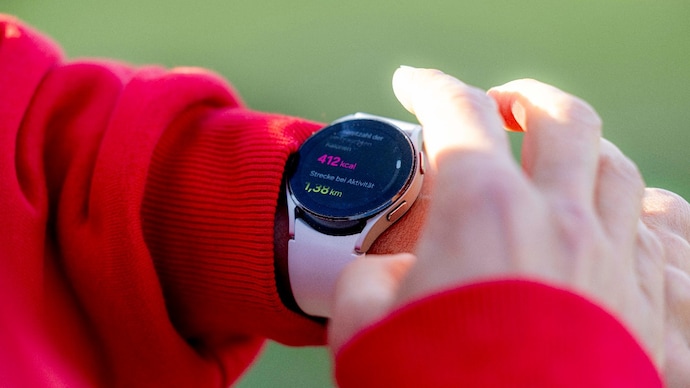
Wearable devices have become a part of everyday life for millions of people, tracking everything from steps and heart rate to sleep, stress and blood sugar.
While these gadgets can encourage healthier habits, experts say they should be used as guides, not as replacements for doctors or even your own body's signals.
Speaking to India Today, integrative longevity coach Luke Coutinho said wearable devices are powerful tools because they create awareness, which can lead to healthier behaviour.
"A wearable can be a perfect wake-up call. It gives us data about how many steps we've walked, how much we've slept or how long we've been inactive. That awareness helps people set realistic goals and make better lifestyle choices," he said.
Research has shown that people who use fitness trackers tend to walk around 1,800 more steps a day—roughly 40 extra minutes of walking—than those who do not use them. Experts say this increase in physical activity can have long-term health benefits.
USEFUL FOR TRACKING HEALTH, NOT REPLACING DOCTORS
Beyond counting steps, wearable technology is increasingly being used to monitor chronic conditions. Continuous glucose monitors (CGMs), for instance, allow people with diabetes to track blood sugar levels without repeated finger pricks.
Smartwatches can also measure heart rate, blood oxygen and blood pressure trends, offering useful information between doctor visits.
Coutinho explained that such data can help users understand how their bodies respond to food, exercise and sleep.
"If a meal causes a large spike in blood sugar, you can make healthier choices next time. You can see how your sleep or workout affects your glucose levels and use that information to improve your lifestyle," he said.
However, experts caution against relying entirely on wearable devices.
Sleep trackers, for example, may sometimes mistake quiet rest for sleep, while other readings may not always be accurate.
"A wearable can never replace your doctor," Coutinho said. "In fact, sometimes the data tells us that someone needs medical attention, and we immediately refer them to a physician. The best approach is to integrate wearable data with professional medical care."
DON'T LET THE TRACKER BECOME YOUR BOSS
Another growing concern is "health anxiety", where users become overly fixated on their numbers. Constantly checking sleep scores, heart rate or calorie burn can increase stress instead of improving health. Some people may even feel their workout "doesn't count" unless it is recorded.
Coutinho believes people should treat wearable devices as helpful companions rather than decision-makers.
"It's always a guide. It can never be the boss," he said. "Sometimes the device may say you're exhausted, but you feel perfectly fine. At that point, you should also listen to your body."
Wearable trackers can motivate healthier habits and provide valuable health insights, but they work best when combined with medical advice, common sense and an awareness of how your own body feels.
Wearable devices have become a part of everyday life for millions of people, tracking everything from steps and heart rate to sleep, stress and blood sugar.
While these gadgets can encourage healthier habits, experts say they should be used as guides, not as replacements for doctors or even your own body's signals.
Speaking to India Today, integrative longevity coach Luke Coutinho said wearable devices are powerful tools because they create awareness, which can lead to healthier behaviour.
"A wearable can be a perfect wake-up call. It gives us data about how many steps we've walked, how much we've slept or how long we've been inactive. That awareness helps people set realistic goals and make better lifestyle choices," he said.
Research has shown that people who use fitness trackers tend to walk around 1,800 more steps a day—roughly 40 extra minutes of walking—than those who do not use them. Experts say this increase in physical activity can have long-term health benefits.
USEFUL FOR TRACKING HEALTH, NOT REPLACING DOCTORS
Beyond counting steps, wearable technology is increasingly being used to monitor chronic conditions. Continuous glucose monitors (CGMs), for instance, allow people with diabetes to track blood sugar levels without repeated finger pricks.
Smartwatches can also measure heart rate, blood oxygen and blood pressure trends, offering useful information between doctor visits.
Coutinho explained that such data can help users understand how their bodies respond to food, exercise and sleep.
"If a meal causes a large spike in blood sugar, you can make healthier choices next time. You can see how your sleep or workout affects your glucose levels and use that information to improve your lifestyle," he said.
However, experts caution against relying entirely on wearable devices.
Sleep trackers, for example, may sometimes mistake quiet rest for sleep, while other readings may not always be accurate.
"A wearable can never replace your doctor," Coutinho said. "In fact, sometimes the data tells us that someone needs medical attention, and we immediately refer them to a physician. The best approach is to integrate wearable data with professional medical care."
DON'T LET THE TRACKER BECOME YOUR BOSS
Another growing concern is "health anxiety", where users become overly fixated on their numbers. Constantly checking sleep scores, heart rate or calorie burn can increase stress instead of improving health. Some people may even feel their workout "doesn't count" unless it is recorded.
Coutinho believes people should treat wearable devices as helpful companions rather than decision-makers.
"It's always a guide. It can never be the boss," he said. "Sometimes the device may say you're exhausted, but you feel perfectly fine. At that point, you should also listen to your body."
Wearable trackers can motivate healthier habits and provide valuable health insights, but they work best when combined with medical advice, common sense and an awareness of how your own body feels.

