Are you over-exfoliating this monsoon?
While high humidity and sticky skin might tempt you to scrub more often, top aesthetic surgeon Dr Yash Mehta warns that aggressive exfoliation is doing more harm than good
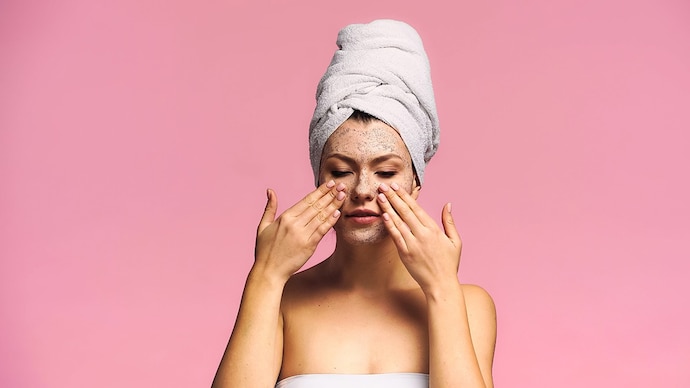
ILLUSION OF OILY SKIN
“One of the biggest misconceptions is that oily skin requires more frequent exfoliation,” explains Dr Yash Mehta, facial plastic surgeon and founder of the Aesthetic & Cosmetic Surgery Clinic (ACSC). High atmospheric moisture naturally stimulates the sebaceous glands, accelerating oil production. However, this surface shine does not equal a heavy build-up of dead skin cells that needs to be scrubbed away daily. “Over-cleansing and excessive exfoliation can strip away the skin’s natural protective lipids, triggering inflammation and, paradoxically, even more oil production,” he adds.
DANGER OF PRODUCT OVERLOAD
With active ingredients becoming mainstream, consumers now have easy access to Alpha Hydroxy Acids (AHAs), Beta Hydroxy Acids (BHAs), retinoids and enzyme peels. While these are highly effective when used correctly, mixing and matching them during the damp monsoon months can overwhelm your epidermis. “The growing popularity of active skincare ingredients has further contributed to this problem,” notes Dr Mehta. “Layering multiple exfoliating products or using them too frequently can overwhelm the skin, especially during the monsoon when the skin barrier is already challenged by fluctuating humidity, sweat, pollution and microbial exposure.”
DON’T BREAK THE BARRIER
When the skin barrier, the body’s first line of defence against bacteria and environmental irritants, is compromised, it sends out immediate distress signals. “Once this barrier is compromised, patients often experience redness, burning, stinging after applying skincare products, persistent tightness despite moisturising, increased sensitivity and recurrent acne-like eruptions,” warns Dr Mehta. True purging, according to him, is usually temporary and occurs only with specific ingredients that accelerate skin cell turnover, such as retinoids or chemical exfoliants. “If the skin becomes increasingly uncomfortable, sensitive or inflamed, it is more likely signalling barrier damage rather than purging,” he adds.
YOUR MONSOON ROUTINE
“For most, exfoliating one or two times a week is sufficient,” recommends Dr Mehta. “Gentle chemical exfoliants are generally preferable to abrasive physical scrubs, which can create microscopic tears in the skin.” Fixing your monsoon skincare doesn’t require a complicated 10-step routine; instead, it demands a shift towards minimalism and protection. Swapping harsh physical scrubs for gentle chemical alternatives and focusing on hydration is key to navigating the humid weather. “You can restore the skin barrier with a moisturiser containing ceramides, cholesterol, fatty acids or hyaluronic acid to maintain hydration and resilience,” says the doctor.
NEVER SKIP SUNSCREEN
A final, critical mistake many make during the rainy season is abandoning sunscreen under the assumption that cloudy skies offer protection. “Sun protection remains essential, even on cloudy days,” emphasises Dr Mehta. Moreover, freshly exfoliated skin lacks its usual defences, making it incredibly prone to hyperpigmentation and UV damage. “The current trend in skincare has shifted from doing more to doing what is necessary. During the monsoon, a simple, balanced skincare routine that prioritises barrier health over aggressive exfoliation is often the most effective path to achieving clear, resilient and healthy skin,” he shares.
Ultimately, navigating monsoon skincare requires a shift in mindset from aggressive correction to mindful preservation. When dealing with humidity-induced grease and congestion, the temptation to scrub will always be there, but restraint is your skin’s best friend. By stripping back your routine, ditching the harsh scrubs and respecting your skin’s natural barrier, you can successfully bypass the season’s biggest skincare trap. “Healthy skin is not achieved by using a greater number of active ingredients but by respecting the skin’s natural barrier,” concludes Dr Mehta.
Subscribe to India Today Magazine
ILLUSION OF OILY SKIN
“One of the biggest misconceptions is that oily skin requires more frequent exfoliation,” explains Dr Yash Mehta, facial plastic surgeon and founder of the Aesthetic & Cosmetic Surgery Clinic (ACSC). High atmospheric moisture naturally stimulates the sebaceous glands, accelerating oil production. However, this surface shine does not equal a heavy build-up of dead skin cells that needs to be scrubbed away daily. “Over-cleansing and excessive exfoliation can strip away the skin’s natural protective lipids, triggering inflammation and, paradoxically, even more oil production,” he adds.
DANGER OF PRODUCT OVERLOAD
With active ingredients becoming mainstream, consumers now have easy access to Alpha Hydroxy Acids (AHAs), Beta Hydroxy Acids (BHAs), retinoids and enzyme peels. While these are highly effective when used correctly, mixing and matching them during the damp monsoon months can overwhelm your epidermis. “The growing popularity of active skincare ingredients has further contributed to this problem,” notes Dr Mehta. “Layering multiple exfoliating products or using them too frequently can overwhelm the skin, especially during the monsoon when the skin barrier is already challenged by fluctuating humidity, sweat, pollution and microbial exposure.”
DON’T BREAK THE BARRIER
When the skin barrier, the body’s first line of defence against bacteria and environmental irritants, is compromised, it sends out immediate distress signals. “Once this barrier is compromised, patients often experience redness, burning, stinging after applying skincare products, persistent tightness despite moisturising, increased sensitivity and recurrent acne-like eruptions,” warns Dr Mehta. True purging, according to him, is usually temporary and occurs only with specific ingredients that accelerate skin cell turnover, such as retinoids or chemical exfoliants. “If the skin becomes increasingly uncomfortable, sensitive or inflamed, it is more likely signalling barrier damage rather than purging,” he adds.
YOUR MONSOON ROUTINE
“For most, exfoliating one or two times a week is sufficient,” recommends Dr Mehta. “Gentle chemical exfoliants are generally preferable to abrasive physical scrubs, which can create microscopic tears in the skin.” Fixing your monsoon skincare doesn’t require a complicated 10-step routine; instead, it demands a shift towards minimalism and protection. Swapping harsh physical scrubs for gentle chemical alternatives and focusing on hydration is key to navigating the humid weather. “You can restore the skin barrier with a moisturiser containing ceramides, cholesterol, fatty acids or hyaluronic acid to maintain hydration and resilience,” says the doctor.
NEVER SKIP SUNSCREEN
A final, critical mistake many make during the rainy season is abandoning sunscreen under the assumption that cloudy skies offer protection. “Sun protection remains essential, even on cloudy days,” emphasises Dr Mehta. Moreover, freshly exfoliated skin lacks its usual defences, making it incredibly prone to hyperpigmentation and UV damage. “The current trend in skincare has shifted from doing more to doing what is necessary. During the monsoon, a simple, balanced skincare routine that prioritises barrier health over aggressive exfoliation is often the most effective path to achieving clear, resilient and healthy skin,” he shares.
Ultimately, navigating monsoon skincare requires a shift in mindset from aggressive correction to mindful preservation. When dealing with humidity-induced grease and congestion, the temptation to scrub will always be there, but restraint is your skin’s best friend. By stripping back your routine, ditching the harsh scrubs and respecting your skin’s natural barrier, you can successfully bypass the season’s biggest skincare trap. “Healthy skin is not achieved by using a greater number of active ingredients but by respecting the skin’s natural barrier,” concludes Dr Mehta.
Subscribe to India Today Magazine
ILLUSION OF OILY SKIN
“One of the biggest misconceptions is that oily skin requires more frequent exfoliation,” explains Dr Yash Mehta, facial plastic surgeon and founder of the Aesthetic & Cosmetic Surgery Clinic (ACSC). High atmospheric moisture naturally stimulates the sebaceous glands, accelerating oil production. However, this surface shine does not equal a heavy build-up of dead skin cells that needs to be scrubbed away daily. “Over-cleansing and excessive exfoliation can strip away the skin’s natural protective lipids, triggering inflammation and, paradoxically, even more oil production,” he adds.
DANGER OF PRODUCT OVERLOAD
With active ingredients becoming mainstream, consumers now have easy access to Alpha Hydroxy Acids (AHAs), Beta Hydroxy Acids (BHAs), retinoids and enzyme peels. While these are highly effective when used correctly, mixing and matching them during the damp monsoon months can overwhelm your epidermis. “The growing popularity of active skincare ingredients has further contributed to this problem,” notes Dr Mehta. “Layering multiple exfoliating products or using them too frequently can overwhelm the skin, especially during the monsoon when the skin barrier is already challenged by fluctuating humidity, sweat, pollution and microbial exposure.”
DON’T BREAK THE BARRIER
When the skin barrier, the body’s first line of defence against bacteria and environmental irritants, is compromised, it sends out immediate distress signals. “Once this barrier is compromised, patients often experience redness, burning, stinging after applying skincare products, persistent tightness despite moisturising, increased sensitivity and recurrent acne-like eruptions,” warns Dr Mehta. True purging, according to him, is usually temporary and occurs only with specific ingredients that accelerate skin cell turnover, such as retinoids or chemical exfoliants. “If the skin becomes increasingly uncomfortable, sensitive or inflamed, it is more likely signalling barrier damage rather than purging,” he adds.
YOUR MONSOON ROUTINE
“For most, exfoliating one or two times a week is sufficient,” recommends Dr Mehta. “Gentle chemical exfoliants are generally preferable to abrasive physical scrubs, which can create microscopic tears in the skin.” Fixing your monsoon skincare doesn’t require a complicated 10-step routine; instead, it demands a shift towards minimalism and protection. Swapping harsh physical scrubs for gentle chemical alternatives and focusing on hydration is key to navigating the humid weather. “You can restore the skin barrier with a moisturiser containing ceramides, cholesterol, fatty acids or hyaluronic acid to maintain hydration and resilience,” says the doctor.
NEVER SKIP SUNSCREEN
A final, critical mistake many make during the rainy season is abandoning sunscreen under the assumption that cloudy skies offer protection. “Sun protection remains essential, even on cloudy days,” emphasises Dr Mehta. Moreover, freshly exfoliated skin lacks its usual defences, making it incredibly prone to hyperpigmentation and UV damage. “The current trend in skincare has shifted from doing more to doing what is necessary. During the monsoon, a simple, balanced skincare routine that prioritises barrier health over aggressive exfoliation is often the most effective path to achieving clear, resilient and healthy skin,” he shares.
Ultimately, navigating monsoon skincare requires a shift in mindset from aggressive correction to mindful preservation. When dealing with humidity-induced grease and congestion, the temptation to scrub will always be there, but restraint is your skin’s best friend. By stripping back your routine, ditching the harsh scrubs and respecting your skin’s natural barrier, you can successfully bypass the season’s biggest skincare trap. “Healthy skin is not achieved by using a greater number of active ingredients but by respecting the skin’s natural barrier,” concludes Dr Mehta.
Subscribe to India Today Magazine

