How Kerala's power crisis inflicted a shock on Satheesan govt
The sharp drop in power generation has been precipitated by a subdued monsoon that has kept reservoirs under capacity and impacted hydroelectricity
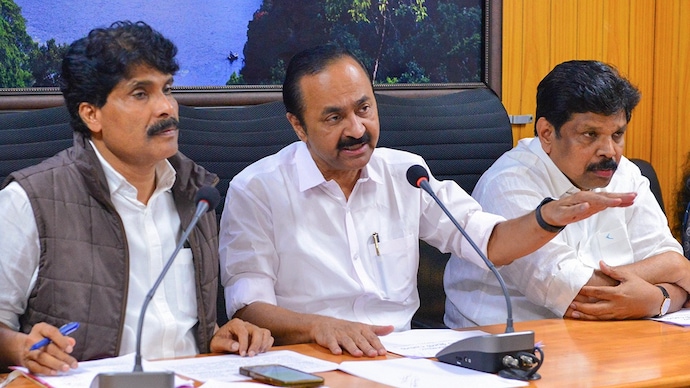
The sharp drop in generation has its roots in a subdued monsoon that has kept reservoirs under capacity, affecting hydroelectric power. Water levels in the major hydropower reservoirs are on an average down to 28 per cent of capacity.
As of July 21, the water levels in the Idukki reservoir had dropped to 28.5 per cent. For Kakki reservoir, it was 30.84 per cent, 36.9 per cent in Idamalayar, only 4.6 per cent in Mattupetty and a shocking 3.11 per cent of total capacity in the Pampa reservoir.
“We are trying to bridge the demand-supply gap by sourcing power from outside the state—at a higher price. The power crisis aggravated due to a monsoon deficit. So we are forced to implement power cuts,” power minister Sunny Joseph told INDIA TODAY.
KSEB officials warned of a mega power crisis if the demand-supply gap widens further. Their fears are understandable since weather experts expect suboptimal monsoon rains in the days to come and reservoirs, consequently, operating well under capacity.
The power cuts at night put the V.D. Satheesan government on the defensive all the more since the football-loving state faced disruption in watching FIFA World Cup games. Tension flared up in parts of the state and mob violence was reported at KSEB offices. Chief minister Satheeshan had to direct uninterrupted power supply for the World Cup finals on July 20. To ensure this, the Kerala State Electricity Regulatory Commission permitted KSEB to purchase 200 MW of power on July18 at Rs 5.96 per unit.
The Opposition CPI(M) has accused the government of ill-preparedness. “Kerala’s power crisis is due to a series of lapses by the UDF (United Democratic Front) government. The widespread load-shedding resorted to is the first in a decade and indicates the state is heading towards dark days. It reveals grave planning failures and a casual approach towards dealing with crises,” CPI(M) state secretary M.V. Govindan Master told INDIA TODAY.
However, CM Satheesan blamed the problem on the previous Left Front government cancelling many long-term power supply contracts.
BJP state president Rajeev Chandrasekhar alleged the recurring power cuts had exposed the government. “This is not nature’s fault. It is man-made. It is the UDF government’s outright failure,” Chandrasekhar wrote on social media.
As Opposition parties corner the government, it is the people of Kerala who are left reeling with a power shock they have long not been used to. For the moment, the public’s hope is that the rain gods will bless Kerala. The power authorities certainly aren’t.
Subscribe to India Today Magazine
The sharp drop in generation has its roots in a subdued monsoon that has kept reservoirs under capacity, affecting hydroelectric power. Water levels in the major hydropower reservoirs are on an average down to 28 per cent of capacity.
As of July 21, the water levels in the Idukki reservoir had dropped to 28.5 per cent. For Kakki reservoir, it was 30.84 per cent, 36.9 per cent in Idamalayar, only 4.6 per cent in Mattupetty and a shocking 3.11 per cent of total capacity in the Pampa reservoir.
“We are trying to bridge the demand-supply gap by sourcing power from outside the state—at a higher price. The power crisis aggravated due to a monsoon deficit. So we are forced to implement power cuts,” power minister Sunny Joseph told INDIA TODAY.
KSEB officials warned of a mega power crisis if the demand-supply gap widens further. Their fears are understandable since weather experts expect suboptimal monsoon rains in the days to come and reservoirs, consequently, operating well under capacity.
The power cuts at night put the V.D. Satheesan government on the defensive all the more since the football-loving state faced disruption in watching FIFA World Cup games. Tension flared up in parts of the state and mob violence was reported at KSEB offices. Chief minister Satheeshan had to direct uninterrupted power supply for the World Cup finals on July 20. To ensure this, the Kerala State Electricity Regulatory Commission permitted KSEB to purchase 200 MW of power on July18 at Rs 5.96 per unit.
The Opposition CPI(M) has accused the government of ill-preparedness. “Kerala’s power crisis is due to a series of lapses by the UDF (United Democratic Front) government. The widespread load-shedding resorted to is the first in a decade and indicates the state is heading towards dark days. It reveals grave planning failures and a casual approach towards dealing with crises,” CPI(M) state secretary M.V. Govindan Master told INDIA TODAY.
However, CM Satheesan blamed the problem on the previous Left Front government cancelling many long-term power supply contracts.
BJP state president Rajeev Chandrasekhar alleged the recurring power cuts had exposed the government. “This is not nature’s fault. It is man-made. It is the UDF government’s outright failure,” Chandrasekhar wrote on social media.
As Opposition parties corner the government, it is the people of Kerala who are left reeling with a power shock they have long not been used to. For the moment, the public’s hope is that the rain gods will bless Kerala. The power authorities certainly aren’t.
Subscribe to India Today Magazine
The sharp drop in generation has its roots in a subdued monsoon that has kept reservoirs under capacity, affecting hydroelectric power. Water levels in the major hydropower reservoirs are on an average down to 28 per cent of capacity.
As of July 21, the water levels in the Idukki reservoir had dropped to 28.5 per cent. For Kakki reservoir, it was 30.84 per cent, 36.9 per cent in Idamalayar, only 4.6 per cent in Mattupetty and a shocking 3.11 per cent of total capacity in the Pampa reservoir.
“We are trying to bridge the demand-supply gap by sourcing power from outside the state—at a higher price. The power crisis aggravated due to a monsoon deficit. So we are forced to implement power cuts,” power minister Sunny Joseph told INDIA TODAY.
KSEB officials warned of a mega power crisis if the demand-supply gap widens further. Their fears are understandable since weather experts expect suboptimal monsoon rains in the days to come and reservoirs, consequently, operating well under capacity.
The power cuts at night put the V.D. Satheesan government on the defensive all the more since the football-loving state faced disruption in watching FIFA World Cup games. Tension flared up in parts of the state and mob violence was reported at KSEB offices. Chief minister Satheeshan had to direct uninterrupted power supply for the World Cup finals on July 20. To ensure this, the Kerala State Electricity Regulatory Commission permitted KSEB to purchase 200 MW of power on July18 at Rs 5.96 per unit.
The Opposition CPI(M) has accused the government of ill-preparedness. “Kerala’s power crisis is due to a series of lapses by the UDF (United Democratic Front) government. The widespread load-shedding resorted to is the first in a decade and indicates the state is heading towards dark days. It reveals grave planning failures and a casual approach towards dealing with crises,” CPI(M) state secretary M.V. Govindan Master told INDIA TODAY.
However, CM Satheesan blamed the problem on the previous Left Front government cancelling many long-term power supply contracts.
BJP state president Rajeev Chandrasekhar alleged the recurring power cuts had exposed the government. “This is not nature’s fault. It is man-made. It is the UDF government’s outright failure,” Chandrasekhar wrote on social media.
As Opposition parties corner the government, it is the people of Kerala who are left reeling with a power shock they have long not been used to. For the moment, the public’s hope is that the rain gods will bless Kerala. The power authorities certainly aren’t.
Subscribe to India Today Magazine

