Yogi govt expands MSME incentives in UP to boost investment, employment statewide
Uttar Pradesh is using its MSME Promotion Policy to support nearly 90 lakh enterprises. The move underscores the sector's central role in the state economy and its national share.
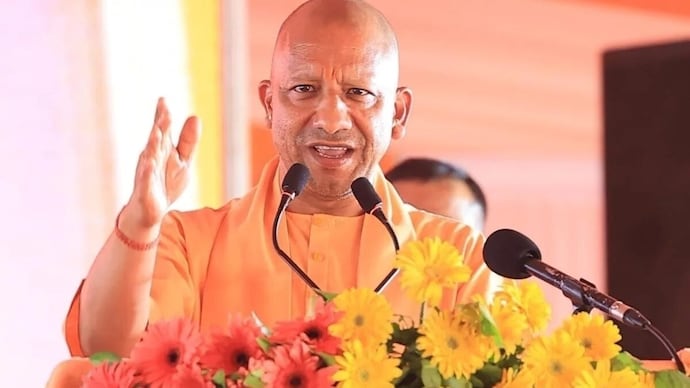
The Yogi Adityanath government has expanded its support framework for micro, small and medium enterprises (MSMEs) through the Uttar Pradesh MSME Promotion Policy, with a focus on encouraging new investments, strengthening existing businesses and generating employment.
The policy, first introduced in 2017 and revised in 2022, covers nearly 90 lakh MSME units in the state, which account for around 14 per cent of India's estimated 6.33 crore MSMEs.
The policy seeks to improve the competitiveness of the manufacturing sector while addressing regional disparities by offering higher incentives to enterprises established in relatively less-developed regions such as Bundelkhand and Purvanchal.
Officials said the incentive structure is designed to promote industrial growth beyond the state's traditional manufacturing hubs.
WIDE RANGE OF FINANCIAL INCENTIVES
Under the policy, eligible MSMEs are entitled to capital subsidies that vary according to region and enterprise category. Units established in Bundelkhand and Purvanchal can receive capital subsidies of up to 25 per cent, 20 per cent and 15 per cent, while those in Madhyanchal and Paschimanchal are eligible for subsidies of up to 20 per cent, 15 per cent and 10 per cent.
Women entrepreneurs and enterprises owned by Scheduled Caste and Scheduled Tribe entrepreneurs are eligible for an additional two per cent incentive.
The policy also provides interest subsidies for micro enterprises by reimbursing up to 50 per cent of interest paid on eligible term loans for a period of up to five years, subject to a maximum benefit of Rs 25 lakh per unit.
Other incentives include stamp duty exemptions of up to 100 per cent in Bundelkhand and Purvanchal, and up to 75 per cent in Madhyanchal and Paschimanchal, excluding Gautam Buddh Nagar and Ghaziabad.
Enterprises are also eligible for exemptions on land-use conversion charges for converting agricultural land into industrial use.
The government has further provided reimbursement of employers' EPF contributions for up to five years from the commencement of commercial production.
Financial assistance is also available for obtaining domestic and international patents, geographical indication (GI) registrations and recognised quality certifications, including ISO standards.
SINGLE-WINDOW PORTAL FOR APPLICATIONS
To streamline implementation, the government has integrated the application process through the MSME1Connect portal, enabling entrepreneurs to apply for subsidies, monitor application status and complete verification through a single online platform.
The move is intended to reduce procedural delays and minimise interactions with multiple departments.
The policy also includes infrastructure-related support, with interest subsidies of up to 50 per cent, capped at Rs 2 crore annually, for projects developed in approved MSME industrial parks and flatted factory complexes.
Officials said the incentive package places special emphasis on women entrepreneurs and underserved social groups, reflecting their growing participation in the state's MSME sector.
Uttar Pradesh's traditional industries—including handicrafts, carpets, processed food, engineering goods and ready-made garments—are expected to benefit from the support measures aimed at improving competitiveness and expanding market access.
The Yogi Adityanath government has expanded its support framework for micro, small and medium enterprises (MSMEs) through the Uttar Pradesh MSME Promotion Policy, with a focus on encouraging new investments, strengthening existing businesses and generating employment.
The policy, first introduced in 2017 and revised in 2022, covers nearly 90 lakh MSME units in the state, which account for around 14 per cent of India's estimated 6.33 crore MSMEs.
The policy seeks to improve the competitiveness of the manufacturing sector while addressing regional disparities by offering higher incentives to enterprises established in relatively less-developed regions such as Bundelkhand and Purvanchal.
Officials said the incentive structure is designed to promote industrial growth beyond the state's traditional manufacturing hubs.
WIDE RANGE OF FINANCIAL INCENTIVES
Under the policy, eligible MSMEs are entitled to capital subsidies that vary according to region and enterprise category. Units established in Bundelkhand and Purvanchal can receive capital subsidies of up to 25 per cent, 20 per cent and 15 per cent, while those in Madhyanchal and Paschimanchal are eligible for subsidies of up to 20 per cent, 15 per cent and 10 per cent.
Women entrepreneurs and enterprises owned by Scheduled Caste and Scheduled Tribe entrepreneurs are eligible for an additional two per cent incentive.
The policy also provides interest subsidies for micro enterprises by reimbursing up to 50 per cent of interest paid on eligible term loans for a period of up to five years, subject to a maximum benefit of Rs 25 lakh per unit.
Other incentives include stamp duty exemptions of up to 100 per cent in Bundelkhand and Purvanchal, and up to 75 per cent in Madhyanchal and Paschimanchal, excluding Gautam Buddh Nagar and Ghaziabad.
Enterprises are also eligible for exemptions on land-use conversion charges for converting agricultural land into industrial use.
The government has further provided reimbursement of employers' EPF contributions for up to five years from the commencement of commercial production.
Financial assistance is also available for obtaining domestic and international patents, geographical indication (GI) registrations and recognised quality certifications, including ISO standards.
SINGLE-WINDOW PORTAL FOR APPLICATIONS
To streamline implementation, the government has integrated the application process through the MSME1Connect portal, enabling entrepreneurs to apply for subsidies, monitor application status and complete verification through a single online platform.
The move is intended to reduce procedural delays and minimise interactions with multiple departments.
The policy also includes infrastructure-related support, with interest subsidies of up to 50 per cent, capped at Rs 2 crore annually, for projects developed in approved MSME industrial parks and flatted factory complexes.
Officials said the incentive package places special emphasis on women entrepreneurs and underserved social groups, reflecting their growing participation in the state's MSME sector.
Uttar Pradesh's traditional industries—including handicrafts, carpets, processed food, engineering goods and ready-made garments—are expected to benefit from the support measures aimed at improving competitiveness and expanding market access.

