How rampant religious rituals in rivers have an undercurrent of pollution
The National Green Tribunal has opened a debate on the consequences of milk and other ritual offerings in India's water bodies
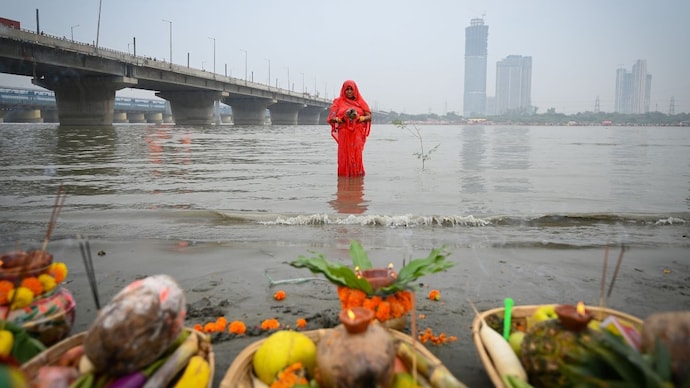
The debate emerged from an unusual case before the NGT’s central zone bench in Bhopal. The petitioner alleged that during a religious gathering in Satdev village of Madhya Pradesh’s Sehore district, organisers poured around 11,000 litres of milk into the Narmada river and released 210 sarees into the water as part of ritual offerings.
The petitioner Siddharth Singh Rajpoot argued that such acts could contaminate water, harm fish and other aquatic organisms and affect drinking and irrigation supplies downstream. However, the tribunal bench of Justice Sheo Kumar Singh and executive member Sudhir Kumar Chaturvedi noted a crucial gap: no scientific data had been placed before it to establish whether pouring milk into a river actually causes measurable pollution.
That observation made the case far more significant than a routine environmental complaint. Rather than immediately condemning the practice, the NGT asked the Central Pollution Control Board (CPCB) and the Madhya Pradesh Pollution Control Board to examine whether such ritual offerings were covered by existing regulations, whether they contributed to pollution and whether specific guidelines were required.
The tribunal’s order highlights a legal grey area. India’s environmental laws prohibit the discharge of pollutants into water bodies. Yet many religious offerings involve biodegradable or organic materials. Milk, for instance, is not a toxic industrial effluent. The question is whether large quantities of organic matter entering a river can alter water quality by increasing biological oxygen demand (BOD), reducing dissolved oxygen and affecting aquatic life.
Environmentalists argue that quantity matters. A few litres poured symbolically may have negligible impact, but thousands of litres released at one location could potentially affect local water quality. Similar concerns have been raised over immersion of idols, flowers wrapped in plastic, cloth offerings and food items discarded into rivers.
Yet faith-based practices involving water are deeply embedded in Indian society. At pilgrimage centres across the country, devotees routinely feed fish as an act of charity. In many places, people throw flour balls, bread, puffed rice, grains and other edible material into rivers and ponds believing that feeding aquatic life earns religious merit.
Critics argue that excessive feeding can alter ecosystems, attract invasive species and add to organic waste loads. Supporters counter that fish have been fed for generations without proven ecological damage and that such acts represent compassion towards living beings.
The controversy becomes even more complex when one considers Hindu funeral traditions. The immersion of ashes after cremation remains one of the most sacred rites in Hinduism. If environmental regulation begins scrutinising ritual offerings, where should authorities draw the line between symbolic faith and ecological harm?
That question explains why the NGT wisely sought scientific evidence before prescribing solutions. India has previously witnessed similar debates. Courts and environmental agencies have framed guidelines for idol immersions, particularly against the use of plaster of paris, synthetic paints and toxic chemicals while making idols. Many cities now encourage eco-friendly idols and designated immersion ponds. Those interventions focus on demonstrable pollutants.
Milk and other organic offerings occupy a different category. While organic substances decompose naturally, large concentrations can still affect aquatic ecosystems. Whether the scale commonly seen during religious ceremonies crosses that threshold remains largely unstudied.
The NGT’s order may therefore have implications beyond one village in Madhya Pradesh. It could trigger a broader scientific examination of how religious offerings affect rivers and whether a distinction should be made between symbolic acts and mass-scale disposal of materials.
Any future guidelines will need to navigate a delicate balance. Excessively intrusive regulations risk provoking resistance by appearing to target faith. On the other hand, exempting all religious activities from environmental scrutiny would undermine river conservation efforts at a time when many Indian rivers are already under severe stress from sewage, industrial discharge and agricultural runoff.
The NGT’s approach suggests a middle path. By asking pollution control authorities to study the issue rather than assume an answer, it has transformed a local dispute into a national conversation. The eventual findings may help answer a question that India has long avoided confronting directly: can ancient rituals continue unchanged in an age of environmental crisis, or do sacred traditions also need scientific scrutiny when they interact with fragile ecosystems? The answer, the tribunal appears to be saying, should come not from emotion or ideology but evidence.
Subscribe to India Today Magazine
The debate emerged from an unusual case before the NGT’s central zone bench in Bhopal. The petitioner alleged that during a religious gathering in Satdev village of Madhya Pradesh’s Sehore district, organisers poured around 11,000 litres of milk into the Narmada river and released 210 sarees into the water as part of ritual offerings.
The petitioner Siddharth Singh Rajpoot argued that such acts could contaminate water, harm fish and other aquatic organisms and affect drinking and irrigation supplies downstream. However, the tribunal bench of Justice Sheo Kumar Singh and executive member Sudhir Kumar Chaturvedi noted a crucial gap: no scientific data had been placed before it to establish whether pouring milk into a river actually causes measurable pollution.
That observation made the case far more significant than a routine environmental complaint. Rather than immediately condemning the practice, the NGT asked the Central Pollution Control Board (CPCB) and the Madhya Pradesh Pollution Control Board to examine whether such ritual offerings were covered by existing regulations, whether they contributed to pollution and whether specific guidelines were required.
The tribunal’s order highlights a legal grey area. India’s environmental laws prohibit the discharge of pollutants into water bodies. Yet many religious offerings involve biodegradable or organic materials. Milk, for instance, is not a toxic industrial effluent. The question is whether large quantities of organic matter entering a river can alter water quality by increasing biological oxygen demand (BOD), reducing dissolved oxygen and affecting aquatic life.
Environmentalists argue that quantity matters. A few litres poured symbolically may have negligible impact, but thousands of litres released at one location could potentially affect local water quality. Similar concerns have been raised over immersion of idols, flowers wrapped in plastic, cloth offerings and food items discarded into rivers.
Yet faith-based practices involving water are deeply embedded in Indian society. At pilgrimage centres across the country, devotees routinely feed fish as an act of charity. In many places, people throw flour balls, bread, puffed rice, grains and other edible material into rivers and ponds believing that feeding aquatic life earns religious merit.
Critics argue that excessive feeding can alter ecosystems, attract invasive species and add to organic waste loads. Supporters counter that fish have been fed for generations without proven ecological damage and that such acts represent compassion towards living beings.
The controversy becomes even more complex when one considers Hindu funeral traditions. The immersion of ashes after cremation remains one of the most sacred rites in Hinduism. If environmental regulation begins scrutinising ritual offerings, where should authorities draw the line between symbolic faith and ecological harm?
That question explains why the NGT wisely sought scientific evidence before prescribing solutions. India has previously witnessed similar debates. Courts and environmental agencies have framed guidelines for idol immersions, particularly against the use of plaster of paris, synthetic paints and toxic chemicals while making idols. Many cities now encourage eco-friendly idols and designated immersion ponds. Those interventions focus on demonstrable pollutants.
Milk and other organic offerings occupy a different category. While organic substances decompose naturally, large concentrations can still affect aquatic ecosystems. Whether the scale commonly seen during religious ceremonies crosses that threshold remains largely unstudied.
The NGT’s order may therefore have implications beyond one village in Madhya Pradesh. It could trigger a broader scientific examination of how religious offerings affect rivers and whether a distinction should be made between symbolic acts and mass-scale disposal of materials.
Any future guidelines will need to navigate a delicate balance. Excessively intrusive regulations risk provoking resistance by appearing to target faith. On the other hand, exempting all religious activities from environmental scrutiny would undermine river conservation efforts at a time when many Indian rivers are already under severe stress from sewage, industrial discharge and agricultural runoff.
The NGT’s approach suggests a middle path. By asking pollution control authorities to study the issue rather than assume an answer, it has transformed a local dispute into a national conversation. The eventual findings may help answer a question that India has long avoided confronting directly: can ancient rituals continue unchanged in an age of environmental crisis, or do sacred traditions also need scientific scrutiny when they interact with fragile ecosystems? The answer, the tribunal appears to be saying, should come not from emotion or ideology but evidence.
Subscribe to India Today Magazine

