Parliament clears bill to make insult to Vande Mataram criminal offence
The Prevention of Insults to National Honour (Amendment) Bill, 2026 was introduced in the Rajya Sabha on July 24 and passed on July 29. A day later, the Lok Sabha cleared the bill.
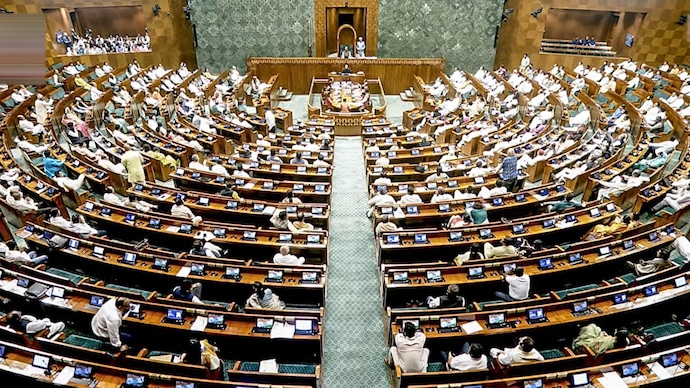
Parliament on Wednesday cleared a bill to make insult to the national song Vande Mataram a criminal offence, with the Lok Sabha passing the legislation amid din following a brief debate.
The bill — The Prevention of Insults to National Honour (Amendment) Bill, 2026 — had already been passed by the Rajya Sabha a day earlier. With its passage in the Lower House, the proposed amendment now moves closer to becoming law.
In the Lok Sabha, the bill was taken up and passed through a voice vote amid protests by Opposition members, who have been demanding a discussion on police action against students protesting the NEET paper leak. The noisy scenes continued even as the House proceeded with legislative business.
The legislation seeks to amend the Prevention of Insults to National Honour Act, 1971, to include the national song Vande Mataram under its ambit. At present, the law provides penal provisions for disrespecting national symbols such as the Constitution, the national flag and the national anthem, with punishment of up to three years’ imprisonment. Once it comes into force, insulting, obstructing or causing disturbances during the singing of Vande Mataram will attract the same punishment — up to three years in jail, a fine, or both.
The bill is part of the Centre's push to mark the 150th anniversary of Vande Mataram, written by Bankim Chandra Chattopadhyay in 1875 and first published in his novel Anandmath in 1882. Over the past few months, the Union government has issued directions to states on the rendition of the national song at official functions.
In the Rajya Sabha on July 29, the bill was passed after a debate that saw sharp exchanges between the treasury benches and the Opposition. Members of the Congress and other Opposition parties staged a walkout during the discussion.
Replying to the debate in the Upper House, Minister of State for Home Affairs Nityanand Rai said the bill was aimed at protecting the country’s “honour and cultural heritage”, describing Vande Mataram as a symbol of India’s freedom struggle and national consciousness.
Several members across parties spoke on the bill. While some backed stricter provisions to prevent disrespect to national symbols, others flagged concerns over the need for broader consensus and debate.
The bill was introduced in the Rajya Sabha on July 24 and passed on July 29. The bill was cleared by Lok Sabha on July 30. Its passage comes amid continued disruptions in both Houses over the NEET paper leak issue, which has stalled proceedings for over a week.
Parliament on Wednesday cleared a bill to make insult to the national song Vande Mataram a criminal offence, with the Lok Sabha passing the legislation amid din following a brief debate.
The bill — The Prevention of Insults to National Honour (Amendment) Bill, 2026 — had already been passed by the Rajya Sabha a day earlier. With its passage in the Lower House, the proposed amendment now moves closer to becoming law.
In the Lok Sabha, the bill was taken up and passed through a voice vote amid protests by Opposition members, who have been demanding a discussion on police action against students protesting the NEET paper leak. The noisy scenes continued even as the House proceeded with legislative business.
The legislation seeks to amend the Prevention of Insults to National Honour Act, 1971, to include the national song Vande Mataram under its ambit. At present, the law provides penal provisions for disrespecting national symbols such as the Constitution, the national flag and the national anthem, with punishment of up to three years’ imprisonment. Once it comes into force, insulting, obstructing or causing disturbances during the singing of Vande Mataram will attract the same punishment — up to three years in jail, a fine, or both.
The bill is part of the Centre's push to mark the 150th anniversary of Vande Mataram, written by Bankim Chandra Chattopadhyay in 1875 and first published in his novel Anandmath in 1882. Over the past few months, the Union government has issued directions to states on the rendition of the national song at official functions.
In the Rajya Sabha on July 29, the bill was passed after a debate that saw sharp exchanges between the treasury benches and the Opposition. Members of the Congress and other Opposition parties staged a walkout during the discussion.
Replying to the debate in the Upper House, Minister of State for Home Affairs Nityanand Rai said the bill was aimed at protecting the country’s “honour and cultural heritage”, describing Vande Mataram as a symbol of India’s freedom struggle and national consciousness.
Several members across parties spoke on the bill. While some backed stricter provisions to prevent disrespect to national symbols, others flagged concerns over the need for broader consensus and debate.
The bill was introduced in the Rajya Sabha on July 24 and passed on July 29. The bill was cleared by Lok Sabha on July 30. Its passage comes amid continued disruptions in both Houses over the NEET paper leak issue, which has stalled proceedings for over a week.
Parliament on Wednesday cleared a bill to make insult to the national song Vande Mataram a criminal offence, with the Lok Sabha passing the legislation amid din following a brief debate.
The bill — The Prevention of Insults to National Honour (Amendment) Bill, 2026 — had already been passed by the Rajya Sabha a day earlier. With its passage in the Lower House, the proposed amendment now moves closer to becoming law.
In the Lok Sabha, the bill was taken up and passed through a voice vote amid protests by Opposition members, who have been demanding a discussion on police action against students protesting the NEET paper leak. The noisy scenes continued even as the House proceeded with legislative business.
The legislation seeks to amend the Prevention of Insults to National Honour Act, 1971, to include the national song Vande Mataram under its ambit. At present, the law provides penal provisions for disrespecting national symbols such as the Constitution, the national flag and the national anthem, with punishment of up to three years’ imprisonment. Once it comes into force, insulting, obstructing or causing disturbances during the singing of Vande Mataram will attract the same punishment — up to three years in jail, a fine, or both.
The bill is part of the Centre's push to mark the 150th anniversary of Vande Mataram, written by Bankim Chandra Chattopadhyay in 1875 and first published in his novel Anandmath in 1882. Over the past few months, the Union government has issued directions to states on the rendition of the national song at official functions.
In the Rajya Sabha on July 29, the bill was passed after a debate that saw sharp exchanges between the treasury benches and the Opposition. Members of the Congress and other Opposition parties staged a walkout during the discussion.
Replying to the debate in the Upper House, Minister of State for Home Affairs Nityanand Rai said the bill was aimed at protecting the country’s “honour and cultural heritage”, describing Vande Mataram as a symbol of India’s freedom struggle and national consciousness.
Several members across parties spoke on the bill. While some backed stricter provisions to prevent disrespect to national symbols, others flagged concerns over the need for broader consensus and debate.
The bill was introduced in the Rajya Sabha on July 24 and passed on July 29. The bill was cleared by Lok Sabha on July 30. Its passage comes amid continued disruptions in both Houses over the NEET paper leak issue, which has stalled proceedings for over a week.

