Drinking in public while travelling: Rules to know before visiting hill stations
Public drinking rules, local excise laws and responsible behaviour can vary across destinations. Knowing them before your trip could help you avoid fines, police action or worse.
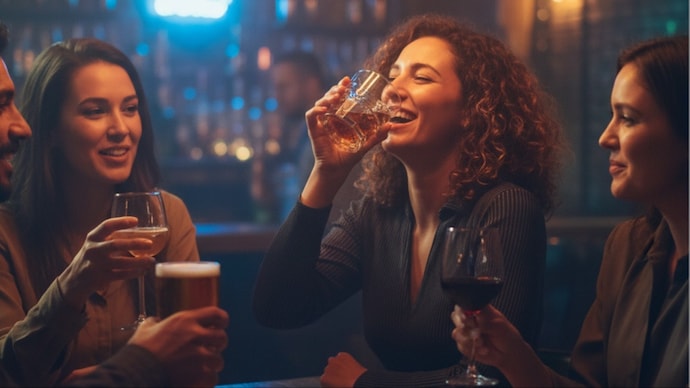
The arrest of six allegedly intoxicated tourists in Uttarakhand following a clash with locals has once again put the spotlight on an issue that surfaces almost every holiday season: drinking in public while travelling. While alcohol is legally available in most tourist destinations, consuming it in public places or behaving in a manner that disturbs public order can attract legal action.
For travellers, the incident is a reminder that holiday destinations are governed by local laws and community norms that may differ from what they are used to back home. Understanding those rules can make the difference between a memorable vacation and an avoidable run-in with the law.
Public drinking isn't treated the same everywhere.
India does not have a single nationwide law that either permits or prohibits drinking in public. Instead, states regulate the sale and consumption of alcohol through their own excise laws. As a result, what is allowed in one state or even one district, may not be permitted in another.
Many hill states and tourist towns impose stricter controls on alcohol consumption, particularly during peak travel seasons. Local administrations may regulate where alcohol can be consumed, restrict liquor shop timings, or step up enforcement in areas frequented by tourists to prevent public nuisance and maintain order.
This means tourists should avoid assuming that buying alcohol legally also gives them the freedom to consume it anywhere.
WHEN DOES DRINKING BECOME A LEGAL ISSUE?
Drinking alcohol, by itself, may not always constitute an offence. Problems arise when consumption takes place in prohibited public spaces or when intoxication leads to disorderly conduct.
In addition, state excise laws and local municipal regulations often prohibit drinking in public places such as roads, parks, viewpoints and public transport facilities.
If an intoxicated person is involved in assault, vandalism, road rage or obstruction of public order, police may also invoke other criminal provisions depending on the nature of the offence.
Why hill stations enforce these rules strictly
Popular hill destinations receive thousands of visitors during weekends and holiday seasons, putting pressure on local infrastructure and law enforcement. Public drinking has often been linked to complaints of loud behaviour, littering, altercations, rash driving and disturbances in residential and tourist areas.
Many of these destinations also have narrow roads, crowded markets and ecologically sensitive public spaces where irresponsible behaviour can quickly create safety risks for both residents and visitors.
Authorities therefore tend to adopt a zero-tolerance approach when alcohol consumption spills over into public disorder.
FIVE PRECAUTIONS EVERY TRAVELLER SHOULD TAKE
- Avoid drinking on roadsides, viewpoints, riverbanks, parks, parking areas or other open public spaces unless local regulations explicitly allow it.
- Check state or local excise rules before travelling, especially to hill districts where liquor sale timings and consumption rules may differ.
- Never drive after drinking, particularly on mountain roads where reduced visibility and sharp bends significantly increase the risk of accidents.
- If police or local authorities ask you to stop consuming alcohol in a public place, cooperate immediately instead of arguing or resisting.
- Responsible tourism goes beyond following the law
Tourist destinations depend heavily on local communities for hospitality, transport, adventure sports and other services. Maintaining respectful behaviour helps preserve both visitor safety and the reputation of these destinations.
Responsible tourism is not only about protecting the environment, it also means respecting local customs, avoiding public nuisance and ensuring that personal recreation does not inconvenience others.
ALSO READ: Saudi Arabia introduces all-in-one travel package with visa, flights and hotels
The recent Uttarakhand incident serves as a reminder that while holidays offer an opportunity to unwind, they do not exempt travellers from local laws. A little awareness about where and how alcohol can be consumed can go a long way in ensuring that a vacation ends with good memories rather than legal trouble.
The arrest of six allegedly intoxicated tourists in Uttarakhand following a clash with locals has once again put the spotlight on an issue that surfaces almost every holiday season: drinking in public while travelling. While alcohol is legally available in most tourist destinations, consuming it in public places or behaving in a manner that disturbs public order can attract legal action.
For travellers, the incident is a reminder that holiday destinations are governed by local laws and community norms that may differ from what they are used to back home. Understanding those rules can make the difference between a memorable vacation and an avoidable run-in with the law.
Public drinking isn't treated the same everywhere.
India does not have a single nationwide law that either permits or prohibits drinking in public. Instead, states regulate the sale and consumption of alcohol through their own excise laws. As a result, what is allowed in one state or even one district, may not be permitted in another.
Many hill states and tourist towns impose stricter controls on alcohol consumption, particularly during peak travel seasons. Local administrations may regulate where alcohol can be consumed, restrict liquor shop timings, or step up enforcement in areas frequented by tourists to prevent public nuisance and maintain order.
This means tourists should avoid assuming that buying alcohol legally also gives them the freedom to consume it anywhere.
WHEN DOES DRINKING BECOME A LEGAL ISSUE?
Drinking alcohol, by itself, may not always constitute an offence. Problems arise when consumption takes place in prohibited public spaces or when intoxication leads to disorderly conduct.
In addition, state excise laws and local municipal regulations often prohibit drinking in public places such as roads, parks, viewpoints and public transport facilities.
If an intoxicated person is involved in assault, vandalism, road rage or obstruction of public order, police may also invoke other criminal provisions depending on the nature of the offence.
Why hill stations enforce these rules strictly
Popular hill destinations receive thousands of visitors during weekends and holiday seasons, putting pressure on local infrastructure and law enforcement. Public drinking has often been linked to complaints of loud behaviour, littering, altercations, rash driving and disturbances in residential and tourist areas.
Many of these destinations also have narrow roads, crowded markets and ecologically sensitive public spaces where irresponsible behaviour can quickly create safety risks for both residents and visitors.
Authorities therefore tend to adopt a zero-tolerance approach when alcohol consumption spills over into public disorder.
FIVE PRECAUTIONS EVERY TRAVELLER SHOULD TAKE
- Avoid drinking on roadsides, viewpoints, riverbanks, parks, parking areas or other open public spaces unless local regulations explicitly allow it.
- Check state or local excise rules before travelling, especially to hill districts where liquor sale timings and consumption rules may differ.
- Never drive after drinking, particularly on mountain roads where reduced visibility and sharp bends significantly increase the risk of accidents.
- If police or local authorities ask you to stop consuming alcohol in a public place, cooperate immediately instead of arguing or resisting.
- Responsible tourism goes beyond following the law
Tourist destinations depend heavily on local communities for hospitality, transport, adventure sports and other services. Maintaining respectful behaviour helps preserve both visitor safety and the reputation of these destinations.
Responsible tourism is not only about protecting the environment, it also means respecting local customs, avoiding public nuisance and ensuring that personal recreation does not inconvenience others.
ALSO READ: Saudi Arabia introduces all-in-one travel package with visa, flights and hotels
The recent Uttarakhand incident serves as a reminder that while holidays offer an opportunity to unwind, they do not exempt travellers from local laws. A little awareness about where and how alcohol can be consumed can go a long way in ensuring that a vacation ends with good memories rather than legal trouble.

