15 spices that have the longest shelf life in your kitchen
A look at spice shelf life explains why whole spices last longer than ground ones. Proper storage helps preserve flavour, aroma and colour for longer.
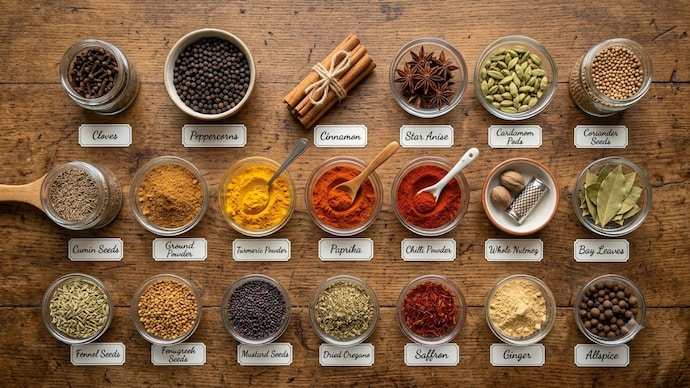
Spices are the backbone of every kitchen, adding flavour, aroma, and colour to meals. However, they don't stay fresh forever. While spices rarely become unsafe to consume if stored properly, they gradually lose their potency over time.
Whole spices generally last much longer than ground ones because their essential oils remain protected until they are crushed or ground. Proper storage in airtight containers, away from heat, moisture, and direct sunlight, can also significantly extend their shelf life.
Here's a look at some of the longest-lasting spices and how long they typically retain their best quality.
Whole spices have a protective outer layer that helps preserve their flavour and aroma. Grinding exposes more surface area to air, light, and moisture, causing the volatile oils responsible for flavour to dissipate more quickly.
SPICES WITH THE LONGEST SHELF LIFE.
| SPICE | FORM | TYPICAL SHELF LIFE | STORAGE TIPS |
|---|---|---|---|
| Cloves | Whole | 4–5 years | Store in an airtight glass jar away from heat. |
| Black pepper | Whole peppercorns | 4–5 years | Grind only when needed for maximum flavour. |
| Cinnamon | Whole sticks | 3–4 years | Keep in a cool, dry cupboard. |
| Nutmeg | Whole | 4–5 years | Grate fresh before use for the best aroma. |
| Cardamom | Whole pods | 2–4 years | Store pods intact until needed. |
| Star anise | Whole | 2–3 years | Keep away from moisture to preserve aroma. |
| Coriander | Whole seeds | 3–4 years | Toast lightly before grinding for enhanced flavour. |
| Cumin | Whole seeds | 3–4 years | Store in sealed containers away from sunlight. |
| Mustard | Whole seeds | 3–4 years | Keep dry to prevent loss of quality. |
| Fennel | Whole seeds | 2–3 years | Use airtight containers to maintain freshness. |
| Bay leaves | Whole | 2–3 years | Store in a cool, dark place. |
| Turmeric | Ground | 2–3 years | Keep tightly sealed and away from humidity. |
| Paprika | Ground | 2–3 years | Protect from heat and light to reduce fading. |
| Ground cinnamon | Ground | 2–3 years | Seal immediately after every use. |
| Chilli powder | Ground | 2–3 years | Store away from steam and direct sunlight. |
Shelf life refers to the period during which spices generally maintain their best flavour and aroma when stored properly.
HOW TO TELL IF A SPICE HAS LOST ITS POTENCY
Spices don't usually spoil in the same way fresh food does, but they can become stale. Signs that it's time to replace them include:
Weak or faded aroma
Dull colour
Lack of flavour in food
Clumping due to moisture exposure
Musty or unusual smell
A simple test is to crush a small amount in your hand. If the spice releases little to no aroma, it's likely past its prime.
HOW TO STORE SPICES PROPERLY
To maximise shelf life:
Store spices in airtight containers.
Keep them in a cool, dry, and dark cupboard.
Avoid placing spice jars above the stove, where heat and steam can reduce quality.
Use a dry spoon when measuring spices.
Label containers with the purchase date for easy tracking.
SHOULD YOU REFRIGERATE SPICES?
Most dried spices do not need refrigeration. In fact, repeated temperature changes can introduce moisture, reducing quality. A pantry or kitchen cabinet away from heat and sunlight is usually the best storage location.
WHOLE VS GROUND: WHICH IS BETTER?
If you use spices occasionally, buying whole spices can be a better investment because they stay flavourful for much longer. Grinding them just before cooking delivers stronger aroma and taste than using pre-ground versions.
Whole spices such as cloves, black peppercorns, nutmeg, cinnamon sticks, and coriander seeds can retain their quality for several years when stored correctly, making them some of the longest-lasting ingredients in your kitchen. Ground spices, while convenient, lose their flavour more quickly and may need replacing every two to three years. Proper storage and regular freshness checks can help ensure your meals always get the best flavour from your spice collection.
Spices are the backbone of every kitchen, adding flavour, aroma, and colour to meals. However, they don't stay fresh forever. While spices rarely become unsafe to consume if stored properly, they gradually lose their potency over time.
Whole spices generally last much longer than ground ones because their essential oils remain protected until they are crushed or ground. Proper storage in airtight containers, away from heat, moisture, and direct sunlight, can also significantly extend their shelf life.
Here's a look at some of the longest-lasting spices and how long they typically retain their best quality.
Whole spices have a protective outer layer that helps preserve their flavour and aroma. Grinding exposes more surface area to air, light, and moisture, causing the volatile oils responsible for flavour to dissipate more quickly.
SPICES WITH THE LONGEST SHELF LIFE.
| SPICE | FORM | TYPICAL SHELF LIFE | STORAGE TIPS |
|---|---|---|---|
| Cloves | Whole | 4–5 years | Store in an airtight glass jar away from heat. |
| Black pepper | Whole peppercorns | 4–5 years | Grind only when needed for maximum flavour. |
| Cinnamon | Whole sticks | 3–4 years | Keep in a cool, dry cupboard. |
| Nutmeg | Whole | 4–5 years | Grate fresh before use for the best aroma. |
| Cardamom | Whole pods | 2–4 years | Store pods intact until needed. |
| Star anise | Whole | 2–3 years | Keep away from moisture to preserve aroma. |
| Coriander | Whole seeds | 3–4 years | Toast lightly before grinding for enhanced flavour. |
| Cumin | Whole seeds | 3–4 years | Store in sealed containers away from sunlight. |
| Mustard | Whole seeds | 3–4 years | Keep dry to prevent loss of quality. |
| Fennel | Whole seeds | 2–3 years | Use airtight containers to maintain freshness. |
| Bay leaves | Whole | 2–3 years | Store in a cool, dark place. |
| Turmeric | Ground | 2–3 years | Keep tightly sealed and away from humidity. |
| Paprika | Ground | 2–3 years | Protect from heat and light to reduce fading. |
| Ground cinnamon | Ground | 2–3 years | Seal immediately after every use. |
| Chilli powder | Ground | 2–3 years | Store away from steam and direct sunlight. |
Shelf life refers to the period during which spices generally maintain their best flavour and aroma when stored properly.
HOW TO TELL IF A SPICE HAS LOST ITS POTENCY
Spices don't usually spoil in the same way fresh food does, but they can become stale. Signs that it's time to replace them include:
Weak or faded aroma
Dull colour
Lack of flavour in food
Clumping due to moisture exposure
Musty or unusual smell
A simple test is to crush a small amount in your hand. If the spice releases little to no aroma, it's likely past its prime.
HOW TO STORE SPICES PROPERLY
To maximise shelf life:
Store spices in airtight containers.
Keep them in a cool, dry, and dark cupboard.
Avoid placing spice jars above the stove, where heat and steam can reduce quality.
Use a dry spoon when measuring spices.
Label containers with the purchase date for easy tracking.
SHOULD YOU REFRIGERATE SPICES?
Most dried spices do not need refrigeration. In fact, repeated temperature changes can introduce moisture, reducing quality. A pantry or kitchen cabinet away from heat and sunlight is usually the best storage location.
WHOLE VS GROUND: WHICH IS BETTER?
If you use spices occasionally, buying whole spices can be a better investment because they stay flavourful for much longer. Grinding them just before cooking delivers stronger aroma and taste than using pre-ground versions.
Whole spices such as cloves, black peppercorns, nutmeg, cinnamon sticks, and coriander seeds can retain their quality for several years when stored correctly, making them some of the longest-lasting ingredients in your kitchen. Ground spices, while convenient, lose their flavour more quickly and may need replacing every two to three years. Proper storage and regular freshness checks can help ensure your meals always get the best flavour from your spice collection.
Spices are the backbone of every kitchen, adding flavour, aroma, and colour to meals. However, they don't stay fresh forever. While spices rarely become unsafe to consume if stored properly, they gradually lose their potency over time.
Whole spices generally last much longer than ground ones because their essential oils remain protected until they are crushed or ground. Proper storage in airtight containers, away from heat, moisture, and direct sunlight, can also significantly extend their shelf life.
Here's a look at some of the longest-lasting spices and how long they typically retain their best quality.
Whole spices have a protective outer layer that helps preserve their flavour and aroma. Grinding exposes more surface area to air, light, and moisture, causing the volatile oils responsible for flavour to dissipate more quickly.
SPICES WITH THE LONGEST SHELF LIFE.
| SPICE | FORM | TYPICAL SHELF LIFE | STORAGE TIPS |
|---|---|---|---|
| Cloves | Whole | 4–5 years | Store in an airtight glass jar away from heat. |
| Black pepper | Whole peppercorns | 4–5 years | Grind only when needed for maximum flavour. |
| Cinnamon | Whole sticks | 3–4 years | Keep in a cool, dry cupboard. |
| Nutmeg | Whole | 4–5 years | Grate fresh before use for the best aroma. |
| Cardamom | Whole pods | 2–4 years | Store pods intact until needed. |
| Star anise | Whole | 2–3 years | Keep away from moisture to preserve aroma. |
| Coriander | Whole seeds | 3–4 years | Toast lightly before grinding for enhanced flavour. |
| Cumin | Whole seeds | 3–4 years | Store in sealed containers away from sunlight. |
| Mustard | Whole seeds | 3–4 years | Keep dry to prevent loss of quality. |
| Fennel | Whole seeds | 2–3 years | Use airtight containers to maintain freshness. |
| Bay leaves | Whole | 2–3 years | Store in a cool, dark place. |
| Turmeric | Ground | 2–3 years | Keep tightly sealed and away from humidity. |
| Paprika | Ground | 2–3 years | Protect from heat and light to reduce fading. |
| Ground cinnamon | Ground | 2–3 years | Seal immediately after every use. |
| Chilli powder | Ground | 2–3 years | Store away from steam and direct sunlight. |
Shelf life refers to the period during which spices generally maintain their best flavour and aroma when stored properly.
HOW TO TELL IF A SPICE HAS LOST ITS POTENCY
Spices don't usually spoil in the same way fresh food does, but they can become stale. Signs that it's time to replace them include:
Weak or faded aroma
Dull colour
Lack of flavour in food
Clumping due to moisture exposure
Musty or unusual smell
A simple test is to crush a small amount in your hand. If the spice releases little to no aroma, it's likely past its prime.
HOW TO STORE SPICES PROPERLY
To maximise shelf life:
Store spices in airtight containers.
Keep them in a cool, dry, and dark cupboard.
Avoid placing spice jars above the stove, where heat and steam can reduce quality.
Use a dry spoon when measuring spices.
Label containers with the purchase date for easy tracking.
SHOULD YOU REFRIGERATE SPICES?
Most dried spices do not need refrigeration. In fact, repeated temperature changes can introduce moisture, reducing quality. A pantry or kitchen cabinet away from heat and sunlight is usually the best storage location.
WHOLE VS GROUND: WHICH IS BETTER?
If you use spices occasionally, buying whole spices can be a better investment because they stay flavourful for much longer. Grinding them just before cooking delivers stronger aroma and taste than using pre-ground versions.
Whole spices such as cloves, black peppercorns, nutmeg, cinnamon sticks, and coriander seeds can retain their quality for several years when stored correctly, making them some of the longest-lasting ingredients in your kitchen. Ground spices, while convenient, lose their flavour more quickly and may need replacing every two to three years. Proper storage and regular freshness checks can help ensure your meals always get the best flavour from your spice collection.

