Why Japan still repairs centuries-old temples without using a single nail
When centuries-old temples in Japan need repairs, builders don't reach for nails or screws. Instead, master carpenters use an ancient woodworking technique that has been passed down for more than 1,000 years.
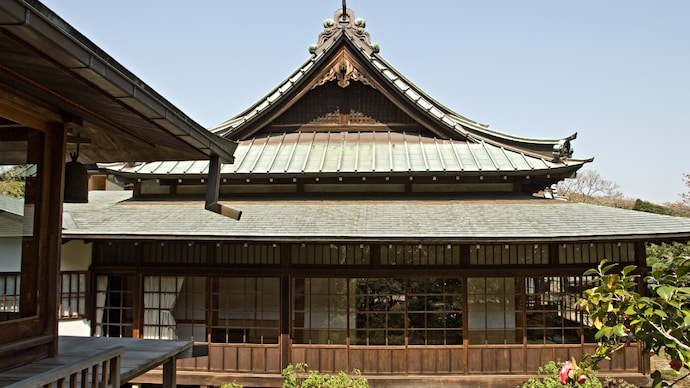
In an age of power tools, steel and concrete, Japan continues to rely on a centuries-old woodworking tradition to preserve some of its most treasured temples. Instead of using nails, screws or metal brackets, highly skilled master carpenters carefully carve wooden pieces that lock together like a giant puzzle.
Known as kigumi, this traditional joinery technique has been passed down for more than 1,000 years and is still used to repair historic wooden temples and shrines.
It's a remarkable example of how ancient craftsmanship continues to solve modern engineering challenges while preserving Japan's cultural heritage.
WHAT IS KIGUMI?
Kigumi is a traditional Japanese woodworking technique in which wooden beams are carved with extreme precision so they fit together without the need for nails, screws or metal fasteners.
The craft is practised by specialist temple carpenters known as miyadaiku, who spend years mastering the intricate joints needed to build and restore temples and shrines.
Every wooden piece is shaped by hand to create a strong and durable framework.
WHY DOES JAPAN AVOID NAILS?
The technique isn't just about preserving tradition.
Japan experiences frequent earthquakes, humid summers and heavy rainfall. Unlike rigid metal fasteners, interlocking wooden joints can absorb movement and distribute stress across the structure, helping buildings cope better with seismic activity.
The absence of metal also reduces problems such as rust, making repairs easier over time.
A CRAFT THAT HAS SURVIVED FOR OVER 1,000 YEARS
The tradition of miyadaiku dates back more than a millennium and continues to play a vital role in maintaining Japan's historic temples and shrines.
Many of these wooden structures have stood for centuries despite earthquakes and changing weather conditions.
The knowledge is passed from one generation of craftsmen to the next, helping preserve techniques that have changed very little over time.
ALSO READ: This giant rock in Australia changes colour throughout the day. Here's why
WHERE TRADITION MEETS ENGINEERING
To many visitors, Japan's ancient temples are symbols of history and spirituality. Behind them, however, lies a remarkable feat of engineering.
Each wooden joint is carefully designed to fit perfectly, creating structures that are both flexible and durable.
Long before modern construction materials became common, Japanese craftsmen had developed a building method that continues to prove its value even today.
In an age of power tools, steel and concrete, Japan continues to rely on a centuries-old woodworking tradition to preserve some of its most treasured temples. Instead of using nails, screws or metal brackets, highly skilled master carpenters carefully carve wooden pieces that lock together like a giant puzzle.
Known as kigumi, this traditional joinery technique has been passed down for more than 1,000 years and is still used to repair historic wooden temples and shrines.
It's a remarkable example of how ancient craftsmanship continues to solve modern engineering challenges while preserving Japan's cultural heritage.
WHAT IS KIGUMI?
Kigumi is a traditional Japanese woodworking technique in which wooden beams are carved with extreme precision so they fit together without the need for nails, screws or metal fasteners.
The craft is practised by specialist temple carpenters known as miyadaiku, who spend years mastering the intricate joints needed to build and restore temples and shrines.
Every wooden piece is shaped by hand to create a strong and durable framework.
WHY DOES JAPAN AVOID NAILS?
The technique isn't just about preserving tradition.
Japan experiences frequent earthquakes, humid summers and heavy rainfall. Unlike rigid metal fasteners, interlocking wooden joints can absorb movement and distribute stress across the structure, helping buildings cope better with seismic activity.
The absence of metal also reduces problems such as rust, making repairs easier over time.
A CRAFT THAT HAS SURVIVED FOR OVER 1,000 YEARS
The tradition of miyadaiku dates back more than a millennium and continues to play a vital role in maintaining Japan's historic temples and shrines.
Many of these wooden structures have stood for centuries despite earthquakes and changing weather conditions.
The knowledge is passed from one generation of craftsmen to the next, helping preserve techniques that have changed very little over time.
ALSO READ: This giant rock in Australia changes colour throughout the day. Here's why
WHERE TRADITION MEETS ENGINEERING
To many visitors, Japan's ancient temples are symbols of history and spirituality. Behind them, however, lies a remarkable feat of engineering.
Each wooden joint is carefully designed to fit perfectly, creating structures that are both flexible and durable.
Long before modern construction materials became common, Japanese craftsmen had developed a building method that continues to prove its value even today.

