Ram Gopal Varma continues his rant about AI, says it will kill governments
Ram Gopal Varma has argued that AI could make politicians and bureaucrats less relevant. He says transparent, data-driven systems may weaken corruption and patronage in governance.
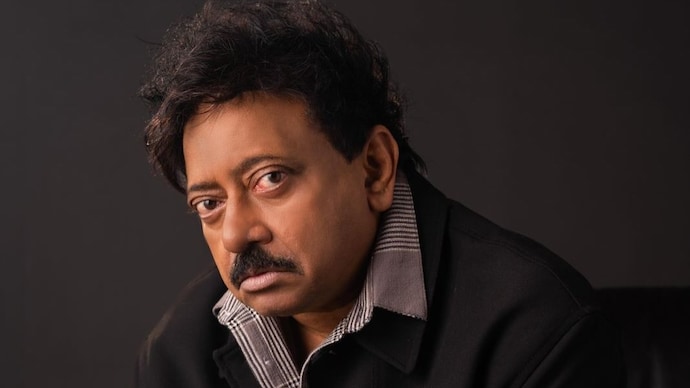
Filmmaker Ram Gopal Varma has stirred another debate around artificial intelligence, this time arguing that AI could one day make politicians and bureaucrats far less relevant. Following his series of posts, ranting about AI, the director claimed that technology could create a governance system that is transparent, efficient and almost impossible to manipulate.
The post builds on an argument Varma made earlier while commenting on the NEET controversy. At the time, he had said the biggest challenge facing students was not just paper leaks, cancelled exams or a broken education system, but the far bigger disruption AI is expected to bring to education, careers and jobs.
In his latest post, Varma turned his attention to politics. He then asked readers to imagine replacing the bureaucrats with AI.
According to Varma, an algorithm cannot be bribed, threatened with a transfer or persuaded to favour a minister's relative. "It has no family, no pension to protect," he wrote, arguing that this would eliminate many opportunities for corruption.
To support his argument, Varma pointed to Dubai, where smart police stations already allow people to register FIRs without interacting with police personnel. He said removing the human interface also removes opportunities for corruption, adding that such technology is already in use and is no longer science fiction.
Varma's case for AI-led governance
He then posed a question: if AI can make administration transparent and incorruptible, what role would the political class have left to play?
Varma illustrated his point with an example from a legislative assembly. He said an MLA could claim that cotton production had fallen in a constituency based on data from local officials and demand that the government purchase a particular pesticide. The opposition, he added, could then allege that the data was manipulated because the MLA's relative owned the pesticide company.
In such a situation, Varma argued, voters have no easy way to verify whose claims are true.
An AI system, however, would not rely on selective data from a local official, he said. Instead, it could analyse satellite imagery, soil health records, rainfall patterns, global commodity prices, pest resistance data from countries such as Brazil, Egypt and Australia, along with years of scientific data on pesticides, before recommending what it considers the best solution.
"There is no nephew. No fear of losing the next election. No incentive to exaggerate a crisis so that a relative can make money," Varma suggested.
He further claimed that no politician could compete with AI's ability to process and analyse vast amounts of information. According to him, elected representatives have traditionally acted as intermediaries between citizens and the government, but that role could diminish if AI makes governance transparent, efficient and difficult to manipulate.
Read his full post here:
Varma also predicted that politicians would oppose such a shift by defending "human accountability" and "human judgment". However, he argued that the real concern would be losing the ability to distribute favours, protect political networks and use public office for private gain.
"In the future, governments will not be overthrown. They will be taken over by algorithms," he wrote.
The post marks the latest in Varma's series of comments on artificial intelligence, following his recent claim that AI poses a far greater challenge to students than controversies surrounding examinations such as NEET.
Filmmaker Ram Gopal Varma has stirred another debate around artificial intelligence, this time arguing that AI could one day make politicians and bureaucrats far less relevant. Following his series of posts, ranting about AI, the director claimed that technology could create a governance system that is transparent, efficient and almost impossible to manipulate.
The post builds on an argument Varma made earlier while commenting on the NEET controversy. At the time, he had said the biggest challenge facing students was not just paper leaks, cancelled exams or a broken education system, but the far bigger disruption AI is expected to bring to education, careers and jobs.
In his latest post, Varma turned his attention to politics. He then asked readers to imagine replacing the bureaucrats with AI.
According to Varma, an algorithm cannot be bribed, threatened with a transfer or persuaded to favour a minister's relative. "It has no family, no pension to protect," he wrote, arguing that this would eliminate many opportunities for corruption.
To support his argument, Varma pointed to Dubai, where smart police stations already allow people to register FIRs without interacting with police personnel. He said removing the human interface also removes opportunities for corruption, adding that such technology is already in use and is no longer science fiction.
Varma's case for AI-led governance
He then posed a question: if AI can make administration transparent and incorruptible, what role would the political class have left to play?
Varma illustrated his point with an example from a legislative assembly. He said an MLA could claim that cotton production had fallen in a constituency based on data from local officials and demand that the government purchase a particular pesticide. The opposition, he added, could then allege that the data was manipulated because the MLA's relative owned the pesticide company.
In such a situation, Varma argued, voters have no easy way to verify whose claims are true.
An AI system, however, would not rely on selective data from a local official, he said. Instead, it could analyse satellite imagery, soil health records, rainfall patterns, global commodity prices, pest resistance data from countries such as Brazil, Egypt and Australia, along with years of scientific data on pesticides, before recommending what it considers the best solution.
"There is no nephew. No fear of losing the next election. No incentive to exaggerate a crisis so that a relative can make money," Varma suggested.
He further claimed that no politician could compete with AI's ability to process and analyse vast amounts of information. According to him, elected representatives have traditionally acted as intermediaries between citizens and the government, but that role could diminish if AI makes governance transparent, efficient and difficult to manipulate.
Read his full post here:
Varma also predicted that politicians would oppose such a shift by defending "human accountability" and "human judgment". However, he argued that the real concern would be losing the ability to distribute favours, protect political networks and use public office for private gain.
"In the future, governments will not be overthrown. They will be taken over by algorithms," he wrote.
The post marks the latest in Varma's series of comments on artificial intelligence, following his recent claim that AI poses a far greater challenge to students than controversies surrounding examinations such as NEET.
Filmmaker Ram Gopal Varma has stirred another debate around artificial intelligence, this time arguing that AI could one day make politicians and bureaucrats far less relevant. Following his series of posts, ranting about AI, the director claimed that technology could create a governance system that is transparent, efficient and almost impossible to manipulate.
The post builds on an argument Varma made earlier while commenting on the NEET controversy. At the time, he had said the biggest challenge facing students was not just paper leaks, cancelled exams or a broken education system, but the far bigger disruption AI is expected to bring to education, careers and jobs.
In his latest post, Varma turned his attention to politics. He then asked readers to imagine replacing the bureaucrats with AI.
According to Varma, an algorithm cannot be bribed, threatened with a transfer or persuaded to favour a minister's relative. "It has no family, no pension to protect," he wrote, arguing that this would eliminate many opportunities for corruption.
To support his argument, Varma pointed to Dubai, where smart police stations already allow people to register FIRs without interacting with police personnel. He said removing the human interface also removes opportunities for corruption, adding that such technology is already in use and is no longer science fiction.
Varma's case for AI-led governance
He then posed a question: if AI can make administration transparent and incorruptible, what role would the political class have left to play?
Varma illustrated his point with an example from a legislative assembly. He said an MLA could claim that cotton production had fallen in a constituency based on data from local officials and demand that the government purchase a particular pesticide. The opposition, he added, could then allege that the data was manipulated because the MLA's relative owned the pesticide company.
In such a situation, Varma argued, voters have no easy way to verify whose claims are true.
An AI system, however, would not rely on selective data from a local official, he said. Instead, it could analyse satellite imagery, soil health records, rainfall patterns, global commodity prices, pest resistance data from countries such as Brazil, Egypt and Australia, along with years of scientific data on pesticides, before recommending what it considers the best solution.
"There is no nephew. No fear of losing the next election. No incentive to exaggerate a crisis so that a relative can make money," Varma suggested.
He further claimed that no politician could compete with AI's ability to process and analyse vast amounts of information. According to him, elected representatives have traditionally acted as intermediaries between citizens and the government, but that role could diminish if AI makes governance transparent, efficient and difficult to manipulate.
Read his full post here:
Varma also predicted that politicians would oppose such a shift by defending "human accountability" and "human judgment". However, he argued that the real concern would be losing the ability to distribute favours, protect political networks and use public office for private gain.
"In the future, governments will not be overthrown. They will be taken over by algorithms," he wrote.
The post marks the latest in Varma's series of comments on artificial intelligence, following his recent claim that AI poses a far greater challenge to students than controversies surrounding examinations such as NEET.

