They fear Punjab will unite: Satluj director Honey Trehan on film's ban in India
Filmmaker Honey Trehan said the controversy around Satluj began with fears that the film could unite Punjab. He said its screenings after the ZEE5 takedown challenge arguments about law and order, security and censorship.
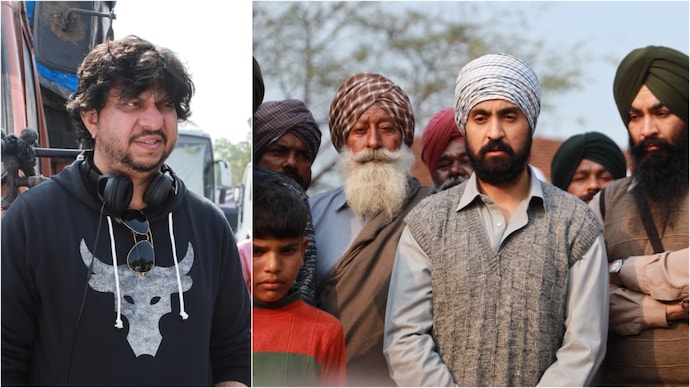
Filmmaker Honey Trehan has claimed that the controversy surrounding Satluj stems from fears that the film could bring Punjab together. Speaking about the film's removal from ZEE5 and its journey since then, Trehan said the response from audiences has only strengthened his belief that the film is connecting with people across the country.
In an interview with Filmfare, Trehan said Satluj has continued to find viewers through community screenings after it was taken down from the OTT platform.
"People are watching the film in gurdwaras and community centres. Not only in Punjab, but people are holding screenings in Jammu, Haryana, Pune and Bombay. Most of these are BJP states. The film is being screened at gurdwaras, following which people are having langar. That was unexpected," he said, while adding that he does not support piracy despite pirated versions of the film circulating online.
The filmmaker argued that the public response undermines claims that the film could disturb law and order.
"Probably they fear Punjab coming together. While this film is uniting Punjab, politicians are making speeches asking, 'Punjab ke Hindu, kab jagoge tum?' Somewhere you're trying to break people's faith in unity and harmony," he said.
Trehan also dismissed suggestions that the film posed a threat to national security. He argued that it was unreasonable to suggest that a single film could disrupt the country's harmony or endanger national security. Stressing that India was a strong nation that had overcome many challenges, he said he did not believe the argument that the film could pose such a threat.
The director also reflected on Satluj's prolonged certification battle with the Central Board of Film Certification (CBFC). According to Trehan, the film remained stuck in the certification process for nearly three years because of objections related to its subject and historical references.
Trehan recalled that during one of the hearings, a member of the Revising Committee had remarked that no one speaks the truth so openly these days. He said the comment summed up the resistance the film had faced.
Asked what people were afraid of, the filmmaker replied, "The fear of the truth." He said the film deals with actions committed by "the establishment" and follows the story of an ordinary man standing up against the system.
At the same time, Trehan stressed that the film does not portray the entire police force negatively.
"So many times it's been said in the film, 'few policemen'. Few policemen who misused the power given to them. If you give obnoxious power to people, a few people will misuse that power. That's a human error. The film talks about that," he said.
Trehan maintained that Satluj is based on documented legal records rather than fiction. According to him, the events depicted in the film draw from court proceedings, including judgments delivered by the CBI Special Court, the Sessions Court, the Punjab and Haryana High Court and the Supreme Court.
The filmmaker also questioned the role of censorship in a democracy. He said he believes the CBFC should be responsible only for certifying films and that audiences, rather than authorities, should decide what they want to watch.
"Why does the government need to tell us what to watch, what to do, what to write and what not to write? These things will never make the nation healthy," he said.
Satluj, based on the life of human rights activist Jaswant Singh Khalra, was released on Zee5 on July 3 but was removed from the platform two days later. The film has since been screened at community gatherings and gurdwaras across several states, while its makers continue to question the circumstances surrounding its removal.
Filmmaker Honey Trehan has claimed that the controversy surrounding Satluj stems from fears that the film could bring Punjab together. Speaking about the film's removal from ZEE5 and its journey since then, Trehan said the response from audiences has only strengthened his belief that the film is connecting with people across the country.
In an interview with Filmfare, Trehan said Satluj has continued to find viewers through community screenings after it was taken down from the OTT platform.
"People are watching the film in gurdwaras and community centres. Not only in Punjab, but people are holding screenings in Jammu, Haryana, Pune and Bombay. Most of these are BJP states. The film is being screened at gurdwaras, following which people are having langar. That was unexpected," he said, while adding that he does not support piracy despite pirated versions of the film circulating online.
The filmmaker argued that the public response undermines claims that the film could disturb law and order.
"Probably they fear Punjab coming together. While this film is uniting Punjab, politicians are making speeches asking, 'Punjab ke Hindu, kab jagoge tum?' Somewhere you're trying to break people's faith in unity and harmony," he said.
Trehan also dismissed suggestions that the film posed a threat to national security. He argued that it was unreasonable to suggest that a single film could disrupt the country's harmony or endanger national security. Stressing that India was a strong nation that had overcome many challenges, he said he did not believe the argument that the film could pose such a threat.
The director also reflected on Satluj's prolonged certification battle with the Central Board of Film Certification (CBFC). According to Trehan, the film remained stuck in the certification process for nearly three years because of objections related to its subject and historical references.
Trehan recalled that during one of the hearings, a member of the Revising Committee had remarked that no one speaks the truth so openly these days. He said the comment summed up the resistance the film had faced.
Asked what people were afraid of, the filmmaker replied, "The fear of the truth." He said the film deals with actions committed by "the establishment" and follows the story of an ordinary man standing up against the system.
At the same time, Trehan stressed that the film does not portray the entire police force negatively.
"So many times it's been said in the film, 'few policemen'. Few policemen who misused the power given to them. If you give obnoxious power to people, a few people will misuse that power. That's a human error. The film talks about that," he said.
Trehan maintained that Satluj is based on documented legal records rather than fiction. According to him, the events depicted in the film draw from court proceedings, including judgments delivered by the CBI Special Court, the Sessions Court, the Punjab and Haryana High Court and the Supreme Court.
The filmmaker also questioned the role of censorship in a democracy. He said he believes the CBFC should be responsible only for certifying films and that audiences, rather than authorities, should decide what they want to watch.
"Why does the government need to tell us what to watch, what to do, what to write and what not to write? These things will never make the nation healthy," he said.
Satluj, based on the life of human rights activist Jaswant Singh Khalra, was released on Zee5 on July 3 but was removed from the platform two days later. The film has since been screened at community gatherings and gurdwaras across several states, while its makers continue to question the circumstances surrounding its removal.
Filmmaker Honey Trehan has claimed that the controversy surrounding Satluj stems from fears that the film could bring Punjab together. Speaking about the film's removal from ZEE5 and its journey since then, Trehan said the response from audiences has only strengthened his belief that the film is connecting with people across the country.
In an interview with Filmfare, Trehan said Satluj has continued to find viewers through community screenings after it was taken down from the OTT platform.
"People are watching the film in gurdwaras and community centres. Not only in Punjab, but people are holding screenings in Jammu, Haryana, Pune and Bombay. Most of these are BJP states. The film is being screened at gurdwaras, following which people are having langar. That was unexpected," he said, while adding that he does not support piracy despite pirated versions of the film circulating online.
The filmmaker argued that the public response undermines claims that the film could disturb law and order.
"Probably they fear Punjab coming together. While this film is uniting Punjab, politicians are making speeches asking, 'Punjab ke Hindu, kab jagoge tum?' Somewhere you're trying to break people's faith in unity and harmony," he said.
Trehan also dismissed suggestions that the film posed a threat to national security. He argued that it was unreasonable to suggest that a single film could disrupt the country's harmony or endanger national security. Stressing that India was a strong nation that had overcome many challenges, he said he did not believe the argument that the film could pose such a threat.
The director also reflected on Satluj's prolonged certification battle with the Central Board of Film Certification (CBFC). According to Trehan, the film remained stuck in the certification process for nearly three years because of objections related to its subject and historical references.
Trehan recalled that during one of the hearings, a member of the Revising Committee had remarked that no one speaks the truth so openly these days. He said the comment summed up the resistance the film had faced.
Asked what people were afraid of, the filmmaker replied, "The fear of the truth." He said the film deals with actions committed by "the establishment" and follows the story of an ordinary man standing up against the system.
At the same time, Trehan stressed that the film does not portray the entire police force negatively.
"So many times it's been said in the film, 'few policemen'. Few policemen who misused the power given to them. If you give obnoxious power to people, a few people will misuse that power. That's a human error. The film talks about that," he said.
Trehan maintained that Satluj is based on documented legal records rather than fiction. According to him, the events depicted in the film draw from court proceedings, including judgments delivered by the CBI Special Court, the Sessions Court, the Punjab and Haryana High Court and the Supreme Court.
The filmmaker also questioned the role of censorship in a democracy. He said he believes the CBFC should be responsible only for certifying films and that audiences, rather than authorities, should decide what they want to watch.
"Why does the government need to tell us what to watch, what to do, what to write and what not to write? These things will never make the nation healthy," he said.
Satluj, based on the life of human rights activist Jaswant Singh Khalra, was released on Zee5 on July 3 but was removed from the platform two days later. The film has since been screened at community gatherings and gurdwaras across several states, while its makers continue to question the circumstances surrounding its removal.

