Samsung drops major clues about the Galaxy Z Fold 8's foldable display ahead of July 22 launch
Samsung has announced Flex Titanium, a new display technology coming to its next-generation Galaxy foldable devices, likely the Galaxy Z Fold 8 series, which is expected to debut at Galaxy Unpacked on July 22. Here is what the titanium-based technology offers.
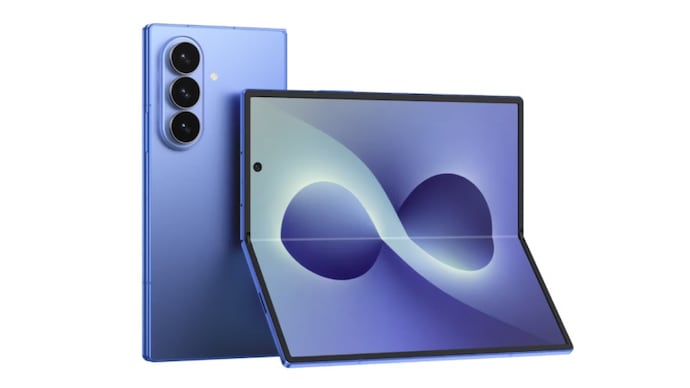
Samsung is gearing up to unveil its next foldable smartphones at Galaxy Unpacked on July 22. Ahead of that, the South Korean tech giant has already revealed something important: the display technology that will power the foldables. Samsung has officially announced Flex Titanium, a new display technology built for its upcoming Galaxy foldable devices, which are widely expected to include the Galaxy Z Fold 8 series.
Earlier foldable phone users generally had a complaint that their devices creased in the middle of the display. Samsung seems to be working to address this challenge to make the crease less noticeable while also keeping the phone durable and slim. And now Flex Titanium is its answer. The company says it is built on seven generations of foldable experience.
What is Flex Titanium and how does it work
Flex Titanium uses two titanium-based components inside the display structure. The first is a titanium-alloy film that sits just below the OLED panel and supports it from within. Samsung says this film is about one-third the thickness of a human hair, yet provides 20 times greater mechanical stiffness compared to the polymer film used before. That combination of being incredibly thin and incredibly strong is what allows the display to be slimmer without becoming fragile.
Below that sits a titanium plate, which supports the display module from underneath. Samsung has added micro-patterned holes to the folding section of this plate, which allows it to flex repeatedly without cracking or losing structural integrity. The plate also bonds more tightly with the display module by eliminating air gaps, giving the screen more stable support when unfolded.
Together, these two components reduce how visible the crease is, improve durability, and help keep the overall device slim. The new display also uses a high-resolution architecture and next-generation organic materials that Samsung says boost power efficiency significantly.
Kyung-Jin Yoo, EVP and Head of Mobile Display Product Development Team at Samsung Display, says, "By introducing sophisticated micro-patterned holes to the folding section of the titanium plate, we have successfully secured flexibility with robust durability. Combining high-resolution display architecture with new organic materials that maximize power efficiency, we will further strengthen the competitiveness of next-generation Galaxy foldable devices."
Why titanium
Titanium is not a new material, but using it inside a display that needs to fold thousands of times is a different challenge altogether. The material is known for being extremely strong and resilient, used in everything from satellite antennas to the wheels of Mars rovers. The problem is that its stiffness makes it difficult to work with in something as thin and flexible as a foldable display. Samsung says it has cracked that problem through a precision rolling process that makes the titanium-alloy film incredibly thin, and through the micro-patterned holes in the titanium plate that give it the flexibility to fold without breaking.
Samsung is gearing up to unveil its next foldable smartphones at Galaxy Unpacked on July 22. Ahead of that, the South Korean tech giant has already revealed something important: the display technology that will power the foldables. Samsung has officially announced Flex Titanium, a new display technology built for its upcoming Galaxy foldable devices, which are widely expected to include the Galaxy Z Fold 8 series.
Earlier foldable phone users generally had a complaint that their devices creased in the middle of the display. Samsung seems to be working to address this challenge to make the crease less noticeable while also keeping the phone durable and slim. And now Flex Titanium is its answer. The company says it is built on seven generations of foldable experience.
What is Flex Titanium and how does it work
Flex Titanium uses two titanium-based components inside the display structure. The first is a titanium-alloy film that sits just below the OLED panel and supports it from within. Samsung says this film is about one-third the thickness of a human hair, yet provides 20 times greater mechanical stiffness compared to the polymer film used before. That combination of being incredibly thin and incredibly strong is what allows the display to be slimmer without becoming fragile.
Below that sits a titanium plate, which supports the display module from underneath. Samsung has added micro-patterned holes to the folding section of this plate, which allows it to flex repeatedly without cracking or losing structural integrity. The plate also bonds more tightly with the display module by eliminating air gaps, giving the screen more stable support when unfolded.
Together, these two components reduce how visible the crease is, improve durability, and help keep the overall device slim. The new display also uses a high-resolution architecture and next-generation organic materials that Samsung says boost power efficiency significantly.
Kyung-Jin Yoo, EVP and Head of Mobile Display Product Development Team at Samsung Display, says, "By introducing sophisticated micro-patterned holes to the folding section of the titanium plate, we have successfully secured flexibility with robust durability. Combining high-resolution display architecture with new organic materials that maximize power efficiency, we will further strengthen the competitiveness of next-generation Galaxy foldable devices."
Why titanium
Titanium is not a new material, but using it inside a display that needs to fold thousands of times is a different challenge altogether. The material is known for being extremely strong and resilient, used in everything from satellite antennas to the wheels of Mars rovers. The problem is that its stiffness makes it difficult to work with in something as thin and flexible as a foldable display. Samsung says it has cracked that problem through a precision rolling process that makes the titanium-alloy film incredibly thin, and through the micro-patterned holes in the titanium plate that give it the flexibility to fold without breaking.

