Trudeau ghost exorcised? No proof of Indian govt link in Nijjar killing, says Canada cops
Canada's RCMP has said it found no evidence connecting the Indian government to the killing of Khalistani terrorist Hardeep Sigh Nijjar. This comes nearly three years after then-Canadian PM Justin Trudeau alleged a "potential link", throwing bilateral ties into a deep chill.
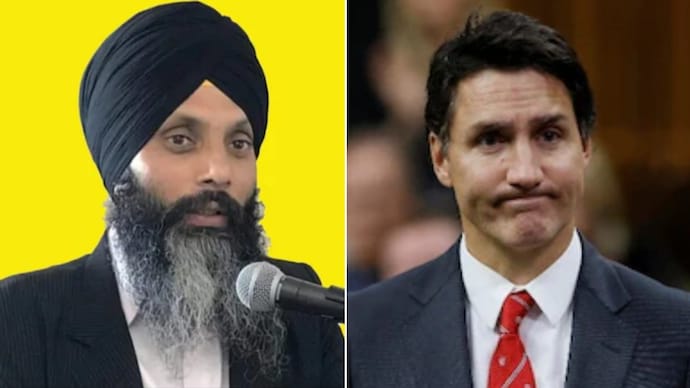
Nearly three years after then-Canadian Prime Minister Justin Trudeau alleged a "potential link" between Indian government agents and the killing of Khalistani terrorist Hardeep Singh Nijjar, Canadian police have now said they have found "no evidence" implicating Indian government officials in the case. This comes even as the authorities in the US indicted Indian-origin gangsters, without naming the government, for Nijjar's murder.
The statement by the Canadian police marks a significant shift from the Trudeau-led government's narrative, which had triggered one of the worst diplomatic crises between New Delhi and Ottawa in decades. Trudeau's allegations, which India had junked as "absurd" and "motivated", had led to the expulsion of diplomats, suspension of bilateral engagements and added to a chill in bilateral ties.
The RCMP's revelation came hours after US authorities unsealed an indictment charging jailed gangster Lawrence Bishnoi and his North America-based aide Goldy Brar with directing Nijjar's 2023 killing in Canada. While the case forms part of a wider crackdown on organised crime networks across the US, Canada and Europe, the American indictment does not allege any role by the Indian government in the assassination, according to a report in Reuters.
Hardeep Singh Nijjar, a Canadian citizen, who was designated a terrorist by India in 2020, was the chief of the banned Khalistan Tiger Force (KTF). He was shot dead by two masked gunmen in the parking lot of a gurdwara in British Columbia's Surrey in Canada.
After Justin Trudeau left office and Mark Carney took over, India and Canada have begun rebuilding ties through renewed diplomatic engagement and high-level contacts following years of strained relations.
RCMP SAYS INVESTIGATION CONTINUES, NO INDIAN GOVT LINK
While ruling out evidence against Indian government officials, Deputy Commissioner of the Royal Canadian Mounted Police (RCMP), Lisa Moreland, stressed that the investigation itself is active.
"There is no evidence to suggest that, through this organised crime syndicate investigation and the charges laid forward, that Indian government officials would be charged or involved in this... Nothing has come out to link the Indian government," the RCMP's Deputy Commissioner Moreland told Canadian state-broadcaster, CBC News.
She added that investigations were still underway, based on the arrests and seizures which have taken place.
"The Indian government was cooperating in this investigation," she added.
The RCMP statement is being seen as a major development because it reverses Trudeau's assertions made in the Canadian Parliament in September 2023. He had said that security agencies were investigating "credible allegations" of a "potential link" between Indian agents and Nijjar's murder.
India has repeatedly rejected these allegations, insisting Canada had not shared any credible evidence to substantiate its claims.
US UNSEALS OPERATION 'HARD BALL' INDICTMENTS
The Canadian statement came hours after the US Department of Justice unsealed multiple indictments under Operation Hard Ball, a years-long investigation into "transnational organised crime networks" allegedly involved in extortion, targeted killings, drug trafficking and racketeering across North America and Europe.
The indictments identify Lawrence Bishnoi, the 33-year-old gangster currently imprisoned in Gujarat's Sabarmati Central Jail (since August 2023), as responsible for Nijjar's killing.
The Justice Department also charged Satinderjeet Singh alias Goldy Brar, described as the North American leader of the Bishnoi enterprise. The indictment also charged Rohit Godara, alleged to be the European leader of the Bishnoi network, and Sukhraj Singh Kang, another Punjab-based alleged member of the criminal enterprise.
According to the Department of Justice, Operation Hard Ball targeted Indian organised crime syndicates engaged in "racketeering, targeted killings, shootings, extortion, the trafficking of bulk quantities of narcotics across international borders, and other crimes whose impact is especially felt in the Indian diaspora".
INDIA-CANADA TIES BACK ON TRACK AFTER TRUDEAU EXIT?
While the indictment of Bishnoi gives the Nijjar murder case a gang-crime frame, the RCMP statement weakens Ottawa's earlier political claim of an Indian government link.
Together, they land at a time when Ottawa and New Delhi are trying to move past the Trudeau-era diplomatic freeze. India-Canada relations have been on a gradual path to recovery since Mark Carney succeeded Justin Trudeau, with both sides resuming high-level engagement after a prolonged diplomatic freeze. The RCMP's remarks come amid that broader reset.
In the first week of May, an assessment published in the Canadian Security Intelligence Service's 2025 report had declared Khalistani extremists as a national security threat, warning that a small but active network continued to use the country as a base to fund and support violence. The assessment laid out concerns over fundraising, influence networks and links to extremist activity tied primarily to India.
Around the same time, Canada's intelligence agency explicitly blamed Khalistani terrorists for the 1985 Air India bombing. The attack has long been described as a Khalistani terror plot by New Delhi. The acknowledgement marked a major shift in Ottawa's stance on Khalistani extremism and its ties with India.
Mark Carney's visit to India in March 2026 added momentum in bilateral ties, with agreements on trade, energy and uranium, and renewed CEPA talks. Cooperation has also expanded in law enforcement coordination and trade.
So, the RCMP official's statement does not end the investigation into Nijjar's killing, but it significantly alters the Canadian government's narrative surrounding it by ruling out evidence against the Indian government at this stage. Coming amid a broader diplomatic reset under Mark Carney, the development could further support ongoing efforts by New Delhi and Ottawa to rebuild ties, while investigations into the crime continue.
Nearly three years after then-Canadian Prime Minister Justin Trudeau alleged a "potential link" between Indian government agents and the killing of Khalistani terrorist Hardeep Singh Nijjar, Canadian police have now said they have found "no evidence" implicating Indian government officials in the case. This comes even as the authorities in the US indicted Indian-origin gangsters, without naming the government, for Nijjar's murder.
The statement by the Canadian police marks a significant shift from the Trudeau-led government's narrative, which had triggered one of the worst diplomatic crises between New Delhi and Ottawa in decades. Trudeau's allegations, which India had junked as "absurd" and "motivated", had led to the expulsion of diplomats, suspension of bilateral engagements and added to a chill in bilateral ties.
The RCMP's revelation came hours after US authorities unsealed an indictment charging jailed gangster Lawrence Bishnoi and his North America-based aide Goldy Brar with directing Nijjar's 2023 killing in Canada. While the case forms part of a wider crackdown on organised crime networks across the US, Canada and Europe, the American indictment does not allege any role by the Indian government in the assassination, according to a report in Reuters.
Hardeep Singh Nijjar, a Canadian citizen, who was designated a terrorist by India in 2020, was the chief of the banned Khalistan Tiger Force (KTF). He was shot dead by two masked gunmen in the parking lot of a gurdwara in British Columbia's Surrey in Canada.
After Justin Trudeau left office and Mark Carney took over, India and Canada have begun rebuilding ties through renewed diplomatic engagement and high-level contacts following years of strained relations.
RCMP SAYS INVESTIGATION CONTINUES, NO INDIAN GOVT LINK
While ruling out evidence against Indian government officials, Deputy Commissioner of the Royal Canadian Mounted Police (RCMP), Lisa Moreland, stressed that the investigation itself is active.
"There is no evidence to suggest that, through this organised crime syndicate investigation and the charges laid forward, that Indian government officials would be charged or involved in this... Nothing has come out to link the Indian government," the RCMP's Deputy Commissioner Moreland told Canadian state-broadcaster, CBC News.
She added that investigations were still underway, based on the arrests and seizures which have taken place.
"The Indian government was cooperating in this investigation," she added.
The RCMP statement is being seen as a major development because it reverses Trudeau's assertions made in the Canadian Parliament in September 2023. He had said that security agencies were investigating "credible allegations" of a "potential link" between Indian agents and Nijjar's murder.
India has repeatedly rejected these allegations, insisting Canada had not shared any credible evidence to substantiate its claims.
US UNSEALS OPERATION 'HARD BALL' INDICTMENTS
The Canadian statement came hours after the US Department of Justice unsealed multiple indictments under Operation Hard Ball, a years-long investigation into "transnational organised crime networks" allegedly involved in extortion, targeted killings, drug trafficking and racketeering across North America and Europe.
The indictments identify Lawrence Bishnoi, the 33-year-old gangster currently imprisoned in Gujarat's Sabarmati Central Jail (since August 2023), as responsible for Nijjar's killing.
The Justice Department also charged Satinderjeet Singh alias Goldy Brar, described as the North American leader of the Bishnoi enterprise. The indictment also charged Rohit Godara, alleged to be the European leader of the Bishnoi network, and Sukhraj Singh Kang, another Punjab-based alleged member of the criminal enterprise.
According to the Department of Justice, Operation Hard Ball targeted Indian organised crime syndicates engaged in "racketeering, targeted killings, shootings, extortion, the trafficking of bulk quantities of narcotics across international borders, and other crimes whose impact is especially felt in the Indian diaspora".
INDIA-CANADA TIES BACK ON TRACK AFTER TRUDEAU EXIT?
While the indictment of Bishnoi gives the Nijjar murder case a gang-crime frame, the RCMP statement weakens Ottawa's earlier political claim of an Indian government link.
Together, they land at a time when Ottawa and New Delhi are trying to move past the Trudeau-era diplomatic freeze. India-Canada relations have been on a gradual path to recovery since Mark Carney succeeded Justin Trudeau, with both sides resuming high-level engagement after a prolonged diplomatic freeze. The RCMP's remarks come amid that broader reset.
In the first week of May, an assessment published in the Canadian Security Intelligence Service's 2025 report had declared Khalistani extremists as a national security threat, warning that a small but active network continued to use the country as a base to fund and support violence. The assessment laid out concerns over fundraising, influence networks and links to extremist activity tied primarily to India.
Around the same time, Canada's intelligence agency explicitly blamed Khalistani terrorists for the 1985 Air India bombing. The attack has long been described as a Khalistani terror plot by New Delhi. The acknowledgement marked a major shift in Ottawa's stance on Khalistani extremism and its ties with India.
Mark Carney's visit to India in March 2026 added momentum in bilateral ties, with agreements on trade, energy and uranium, and renewed CEPA talks. Cooperation has also expanded in law enforcement coordination and trade.
So, the RCMP official's statement does not end the investigation into Nijjar's killing, but it significantly alters the Canadian government's narrative surrounding it by ruling out evidence against the Indian government at this stage. Coming amid a broader diplomatic reset under Mark Carney, the development could further support ongoing efforts by New Delhi and Ottawa to rebuild ties, while investigations into the crime continue.

