Trump warns of 'very strong military action' if talks with Iran fail
Donald Trump said the US is in very deep talks with Iran after pausing planned strikes. He warned the pause would be short and military action could resume if negotiations fail.
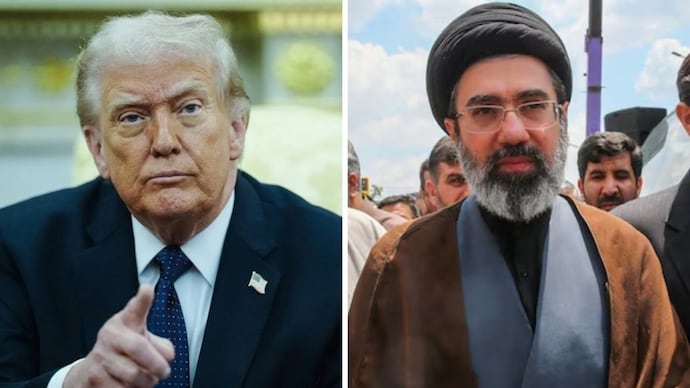
A fragile diplomatic opening between Washington and Tehran is now racing against time after US President Donald Trump warned that he would return to "very strong military action" if negotiations fail again. Trump said he agreed to halt US strikes last week following appeals from mediators, but stressed that diplomacy would be given only a brief opportunity to deliver results as indirect talks continue over the Strait of Hormuz and Iran's nuclear programme.
Speaking to Axios on Monday, Trump said Washington was engaged in "very deep talks" with Tehran but made it clear that diplomacy would be given only a limited window before military options return to the table.
"We are in very deep talks with Iran. If they don't work out, we will go back to very strong military action," Trump said during the an interview with Axios.
Asked how long he was willing to allow diplomatic efforts to continue, Trump replied: "Not much time. Either it goes fast or not at all."
The US President said he had suspended American strikes on Friday after countries acting as intermediaries urged Washington to allow negotiations another chance.
"All of the people that deal with Iran asked me: 'Don't fire,'" Trump said. He also added that he believed Tehran wanted to reach an agreement.
Explaining why he accepted the request from mediators, Trump said: "Nothing gained, nothing lost."
He also argued that his decision had produced immediate economic benefits, pointing to falling oil prices and gains in US stock markets following the suspension of military operations.
DIPLOMACY FOCUSES ON HORMUZ
According to Axios, the current negotiations are centred on a new understanding that would reopen the Strait of Hormuz and restart discussions on a comprehensive nuclear agreement. The talks are being conducted primarily between Iran and Oman, while Qatar, Pakistan and Egypt are also involved in mediation efforts. Trump's special envoys Steve Witkoff and Jared Kushner are actively participating in the diplomatic process.
The latest negotiations follow Washington's decision to halt nearly two weeks of intensive air strikes against Iran. Trump is also expected to discuss the situation with Israeli Prime Minister Benjamin Netanyahu during a meeting at the White House on Tuesday.
"I am going to talk to Bibi about the fact that if I weren't president, Iran would have had nuclear weapons by now and Israel would have been destroyed," Trump told Axios.
IRAN REJECTS US PRESSURE
Trump's comments came hours after Iran reiterated that decisions on conflict and diplomacy would remain solely in Tehran's hands.
Speaking at his weekly press briefing on Monday, Iranian Foreign Ministry spokesperson Esmail Baghaei dismissed suggestions that Washington could dictate Iran's next steps.
"We have never allowed, and we will never allow the United States to determine when there is war or peace. We will defend ourselves whenever our interests require it, whenever our circumstances require it. Whenever we believe we can use diplomacy as a tool to safeguard our national interests, we will certainly use it as such," Baghaei said.
He also rejected reports that Iran had sought renewed direct negotiations with the US. According to him, communication between the two countries continues only through intermediaries.
"Reports about Iran requesting negotiations with the US are fabricated," he said. "This is not in our DNA."
TENSIONS IN GULF REMAIN HIGH
The diplomatic push comes against the backdrop of continued instability across the Middle East. According to Reuters, Saudi Arabia said on Monday that it intercepted drones targeting petroleum facilities in its eastern province and Riyadh, claiming they had been launched from Iraq by Iran-backed militias. Riyadh said it reserved the right to respond.
Meanwhile, Yemen's Houthi movement claimed responsibility for attacks targeting oil transit facilities linked to Saudi Arabia's Red Sea port of Yanbu, saying the strikes were retaliation for alleged Saudi drone incursions into Yemeni airspace. Jordan also reported shooting down two drones, while Iraqi security officials said several drone attacks targeted camps housing Iranian Kurdish opposition groups in northern Iraq.
The incidents unfolded just two days after Trump unexpectedly suspended the US air campaign against Iran.
UNCERTAINTY OVER THE NEXT STEP
Although indirect diplomacy has resumed, significant disagreements remain over both Iran's nuclear programme and the future of the Strait of Hormuz.
Iran has maintained that it continues to control the strategic waterway and insists that vessels should use shipping routes supervised by Tehran, while Washington argues that international navigation must remain unrestricted.
Iranian state media also reported on Monday that authorities had turned back six vessels attempting to cross the Strait of Hormuz through what Tehran described as unauthorised routes, reinforcing its position that it retains operational control over one of the world's most important energy corridors.
A fragile diplomatic opening between Washington and Tehran is now racing against time after US President Donald Trump warned that he would return to "very strong military action" if negotiations fail again. Trump said he agreed to halt US strikes last week following appeals from mediators, but stressed that diplomacy would be given only a brief opportunity to deliver results as indirect talks continue over the Strait of Hormuz and Iran's nuclear programme.
Speaking to Axios on Monday, Trump said Washington was engaged in "very deep talks" with Tehran but made it clear that diplomacy would be given only a limited window before military options return to the table.
"We are in very deep talks with Iran. If they don't work out, we will go back to very strong military action," Trump said during the an interview with Axios.
Asked how long he was willing to allow diplomatic efforts to continue, Trump replied: "Not much time. Either it goes fast or not at all."
The US President said he had suspended American strikes on Friday after countries acting as intermediaries urged Washington to allow negotiations another chance.
"All of the people that deal with Iran asked me: 'Don't fire,'" Trump said. He also added that he believed Tehran wanted to reach an agreement.
Explaining why he accepted the request from mediators, Trump said: "Nothing gained, nothing lost."
He also argued that his decision had produced immediate economic benefits, pointing to falling oil prices and gains in US stock markets following the suspension of military operations.
DIPLOMACY FOCUSES ON HORMUZ
According to Axios, the current negotiations are centred on a new understanding that would reopen the Strait of Hormuz and restart discussions on a comprehensive nuclear agreement. The talks are being conducted primarily between Iran and Oman, while Qatar, Pakistan and Egypt are also involved in mediation efforts. Trump's special envoys Steve Witkoff and Jared Kushner are actively participating in the diplomatic process.
The latest negotiations follow Washington's decision to halt nearly two weeks of intensive air strikes against Iran. Trump is also expected to discuss the situation with Israeli Prime Minister Benjamin Netanyahu during a meeting at the White House on Tuesday.
"I am going to talk to Bibi about the fact that if I weren't president, Iran would have had nuclear weapons by now and Israel would have been destroyed," Trump told Axios.
IRAN REJECTS US PRESSURE
Trump's comments came hours after Iran reiterated that decisions on conflict and diplomacy would remain solely in Tehran's hands.
Speaking at his weekly press briefing on Monday, Iranian Foreign Ministry spokesperson Esmail Baghaei dismissed suggestions that Washington could dictate Iran's next steps.
"We have never allowed, and we will never allow the United States to determine when there is war or peace. We will defend ourselves whenever our interests require it, whenever our circumstances require it. Whenever we believe we can use diplomacy as a tool to safeguard our national interests, we will certainly use it as such," Baghaei said.
He also rejected reports that Iran had sought renewed direct negotiations with the US. According to him, communication between the two countries continues only through intermediaries.
"Reports about Iran requesting negotiations with the US are fabricated," he said. "This is not in our DNA."
TENSIONS IN GULF REMAIN HIGH
The diplomatic push comes against the backdrop of continued instability across the Middle East. According to Reuters, Saudi Arabia said on Monday that it intercepted drones targeting petroleum facilities in its eastern province and Riyadh, claiming they had been launched from Iraq by Iran-backed militias. Riyadh said it reserved the right to respond.
Meanwhile, Yemen's Houthi movement claimed responsibility for attacks targeting oil transit facilities linked to Saudi Arabia's Red Sea port of Yanbu, saying the strikes were retaliation for alleged Saudi drone incursions into Yemeni airspace. Jordan also reported shooting down two drones, while Iraqi security officials said several drone attacks targeted camps housing Iranian Kurdish opposition groups in northern Iraq.
The incidents unfolded just two days after Trump unexpectedly suspended the US air campaign against Iran.
UNCERTAINTY OVER THE NEXT STEP
Although indirect diplomacy has resumed, significant disagreements remain over both Iran's nuclear programme and the future of the Strait of Hormuz.
Iran has maintained that it continues to control the strategic waterway and insists that vessels should use shipping routes supervised by Tehran, while Washington argues that international navigation must remain unrestricted.
Iranian state media also reported on Monday that authorities had turned back six vessels attempting to cross the Strait of Hormuz through what Tehran described as unauthorised routes, reinforcing its position that it retains operational control over one of the world's most important energy corridors.
A fragile diplomatic opening between Washington and Tehran is now racing against time after US President Donald Trump warned that he would return to "very strong military action" if negotiations fail again. Trump said he agreed to halt US strikes last week following appeals from mediators, but stressed that diplomacy would be given only a brief opportunity to deliver results as indirect talks continue over the Strait of Hormuz and Iran's nuclear programme.
Speaking to Axios on Monday, Trump said Washington was engaged in "very deep talks" with Tehran but made it clear that diplomacy would be given only a limited window before military options return to the table.
"We are in very deep talks with Iran. If they don't work out, we will go back to very strong military action," Trump said during the an interview with Axios.
Asked how long he was willing to allow diplomatic efforts to continue, Trump replied: "Not much time. Either it goes fast or not at all."
The US President said he had suspended American strikes on Friday after countries acting as intermediaries urged Washington to allow negotiations another chance.
"All of the people that deal with Iran asked me: 'Don't fire,'" Trump said. He also added that he believed Tehran wanted to reach an agreement.
Explaining why he accepted the request from mediators, Trump said: "Nothing gained, nothing lost."
He also argued that his decision had produced immediate economic benefits, pointing to falling oil prices and gains in US stock markets following the suspension of military operations.
DIPLOMACY FOCUSES ON HORMUZ
According to Axios, the current negotiations are centred on a new understanding that would reopen the Strait of Hormuz and restart discussions on a comprehensive nuclear agreement. The talks are being conducted primarily between Iran and Oman, while Qatar, Pakistan and Egypt are also involved in mediation efforts. Trump's special envoys Steve Witkoff and Jared Kushner are actively participating in the diplomatic process.
The latest negotiations follow Washington's decision to halt nearly two weeks of intensive air strikes against Iran. Trump is also expected to discuss the situation with Israeli Prime Minister Benjamin Netanyahu during a meeting at the White House on Tuesday.
"I am going to talk to Bibi about the fact that if I weren't president, Iran would have had nuclear weapons by now and Israel would have been destroyed," Trump told Axios.
IRAN REJECTS US PRESSURE
Trump's comments came hours after Iran reiterated that decisions on conflict and diplomacy would remain solely in Tehran's hands.
Speaking at his weekly press briefing on Monday, Iranian Foreign Ministry spokesperson Esmail Baghaei dismissed suggestions that Washington could dictate Iran's next steps.
"We have never allowed, and we will never allow the United States to determine when there is war or peace. We will defend ourselves whenever our interests require it, whenever our circumstances require it. Whenever we believe we can use diplomacy as a tool to safeguard our national interests, we will certainly use it as such," Baghaei said.
He also rejected reports that Iran had sought renewed direct negotiations with the US. According to him, communication between the two countries continues only through intermediaries.
"Reports about Iran requesting negotiations with the US are fabricated," he said. "This is not in our DNA."
TENSIONS IN GULF REMAIN HIGH
The diplomatic push comes against the backdrop of continued instability across the Middle East. According to Reuters, Saudi Arabia said on Monday that it intercepted drones targeting petroleum facilities in its eastern province and Riyadh, claiming they had been launched from Iraq by Iran-backed militias. Riyadh said it reserved the right to respond.
Meanwhile, Yemen's Houthi movement claimed responsibility for attacks targeting oil transit facilities linked to Saudi Arabia's Red Sea port of Yanbu, saying the strikes were retaliation for alleged Saudi drone incursions into Yemeni airspace. Jordan also reported shooting down two drones, while Iraqi security officials said several drone attacks targeted camps housing Iranian Kurdish opposition groups in northern Iraq.
The incidents unfolded just two days after Trump unexpectedly suspended the US air campaign against Iran.
UNCERTAINTY OVER THE NEXT STEP
Although indirect diplomacy has resumed, significant disagreements remain over both Iran's nuclear programme and the future of the Strait of Hormuz.
Iran has maintained that it continues to control the strategic waterway and insists that vessels should use shipping routes supervised by Tehran, while Washington argues that international navigation must remain unrestricted.
Iranian state media also reported on Monday that authorities had turned back six vessels attempting to cross the Strait of Hormuz through what Tehran described as unauthorised routes, reinforcing its position that it retains operational control over one of the world's most important energy corridors.

