
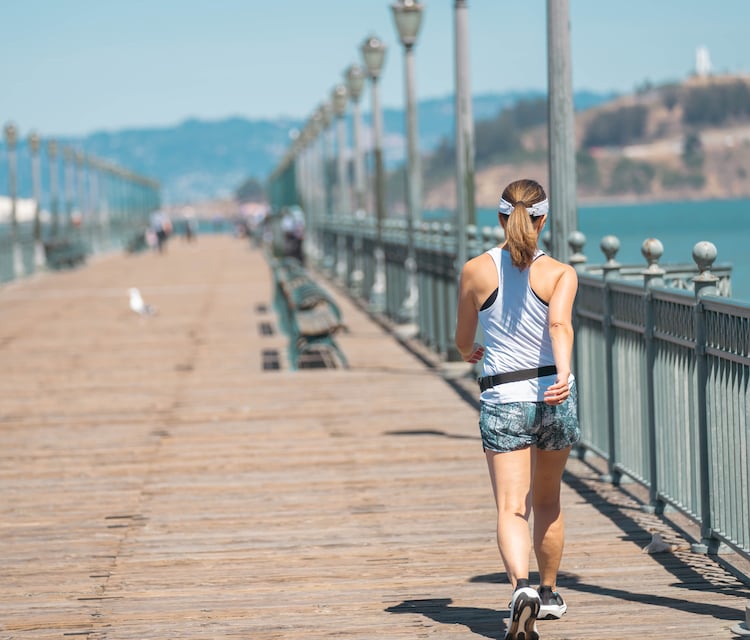
No gym, no HIIT, just walk: The wellness trend everyone is talking about

There's another social media wellness trend, and it is being labelled as one of the 'easiest exercises' to reduce bloating, puffiness and help with body detox as well. But should you buy the claim? We asked the experts, obviously.
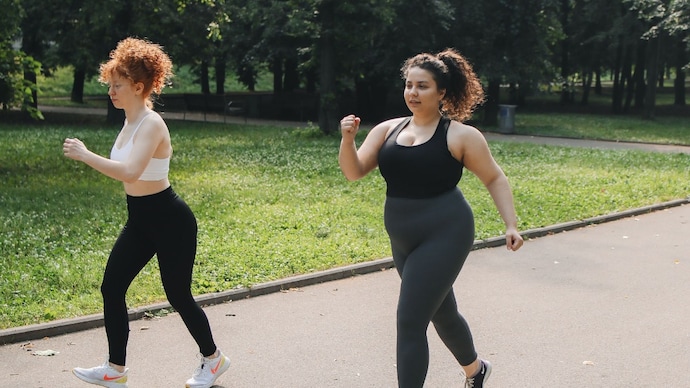
Lymphatic walking is social media's latest wellness trend (Photo: Pexels)

Heigh-ho, heigh-ho, another day, another wellness trend to know. For a change, it's nothing fancy, it doesn't even require you to wake up at any brahma muhurat. And and and... it's being labelled as one of the "easiest exercises" to do. So, no stress of burpees or HIIT and all.
Sounds too good to be true, right? Well, this is called lymphatic walking.
The idea is to walk at a comfortable-to-brisk pace, keep your posture upright, have natural movements like arm swing, breathe deeply and pay attention to how your body moves.
Now, what does the internet claim exactly? That regular adoption of this movement can help to lower bloating, keep up energy levels, flush out toxins.
Of course, in the era of information overload and the kind of ideas that the social media algorithm throws at us, it's not easy to trust anything. It's always safer to get it fact-checked by experts. And so we did.
Here's what you really need to know about this trend.
What is lymphatic walking?
From Alia Bhatt to Hailey Bieber, the lymphatic drainage talk is everywhere. Sometimes in the form of facial massage, sometimes as these trending walks.
First, what exactly is the lymphatic system? The lymphatic system is like your body's clean-up and drainage network. It helps move excess fluid from tissues and plays an important role in immune function. The lymphatic system doesn't have one central pump. Instead, it relies considerably on muscle movement, changes in pressure and breathing to help move lymphatic fluid around the body.
This is where the trend comes in. Lymphatic walking is much like an extension of regular walking, except for the pace, arm movement and breathwork.
"When we walk, our peripheral heart (calf muscle pump) contracts and boosts venous return to the heart. The lymphatic system lacks a central pump and depends on muscle contractions for drainage. Hence, improved muscular movements aid in better lymphatic drainage," explains Dr Shobha Manish Itolikar, Consultant Internal Medicine, Fortis Mulund.
There are a few things you can consciously add to your walk.
Deep, diaphragmatic breathing, an upright posture, a brisk but comfortable pace and natural arm swings bring more muscles into play.
According to Dr Sourav Kumar Mondal (PT), Consultant Physiotherapist, Ariyan Multispecialty Hospital, exercise and walking are equally important. "Every time our muscles contract and relax, they create changes in pressure around the lymphatic vessels. This acts like a natural muscle pump. Deep diaphragmatic breathing may also be used. Breathing creates natural pressure changes between the abdomen and chest, which can contribute to lymph movement."
And no, this doesn't mean you need to march around your park swinging your arms like you're leading a parade. The point is simply to avoid the classic sedentary shuffle: head down, shoulders hunched, and arms involved in holding the phone and doomscrolling.
What can it actually do?
The social media version of lymphatic walking often comes with a list of promises — less bloating, reduced puffiness, better circulation, "detox", fluid loss and more.
Before dismissing completely, there is some physiological logic behind movement supporting circulation and lymphatic flow. Dr Itolikar says potential benefits include improved lymph flow, reduced water retention and puffiness, better venous and lymphatic return from the lower body, less abdominal bloating and relief from joint stiffness. Regular physical activity can also support overall health and immune function.
But being regular is key.
"People who are sedentary for long periods of time, like those engaged in desk jobs, people who travel long hours and people who are unable to perform high-intensity exercises, can benefit a little from this."

But here's where the internet needs a reality check.
Dr Mondal says healthy people with a normally functioning lymphatic system generally don't need special lymphatic drainage. "I recommend the trend mainly as a way to encourage regular movement and walking, not as a special 'detox' treatment."
And when it comes to weight loss, walking can certainly contribute to an active lifestyle and energy expenditure, but lymphatic walking isn't a standalone secret shortcut to shedding kilos.
Who should actually care about lymphatic drainage? People with conditions such as lymphedema, impaired or obstructed lymphatic drainage, lymph-node damage or removal, or certain medical conditions affecting the lymphatic system may need proper assessment and specialised management. For them, walking can be useful, but it is part of a bigger treatment picture.
For everyone else, there is a much simpler takeaway
"All that matters at the end of the day is that you are walking and not remaining sedentary," says Dr Itolikar.
There can be downsides if you suddenly go from couch potato to overenthusiastic wellness influencer, though. Pushing too hard can cause fatigue, muscle cramps or light-headedness, while vigorous or incorrect movements can even cause injury.
So, perhaps the best thing about lymphatic walking isn't the lymphatic part at all. It is mindful walking that completes the lymphatic system. However, it's not a magic solution to health issues.
- Ends