
Talking to her own image | Sandip Roy's 'Chapal Rani'

Through the life of Bengal's last great female impersonator, Sandip Roy offers a poignant, layered portrait of jatra, gender and queerness
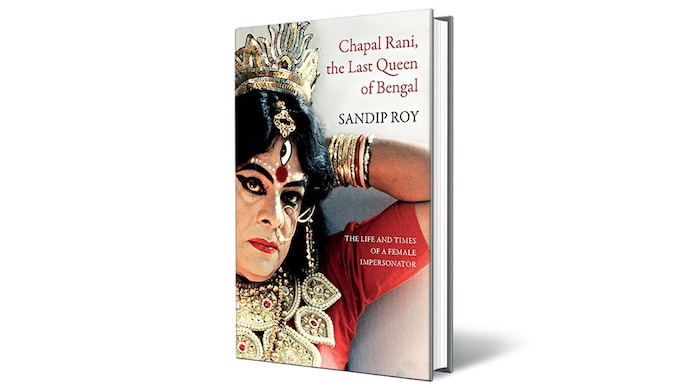

At first glance, Sandip Roy’s Chapal Rani, the Last Queen of Bengal: The Life and Times of a Female Impersonator is an oral autobiography narrated in the lamenting voice of Chapal Bhaduri to Roy over hundreds of cups of tea. Bhaduri shot to fame as his stage avatar, Chapal Rani, in the 1960s because of his roles playing women on stage in jatra (Bengali folk theatre). At the time, this was common practice. His recollections are filled with beautifully filigreed descriptions of his life in the world of jatra, his physical transformation into being a woman on stage, and his life lived as a male-presenting person, with a bisexual male lover, outside of it. His fame fades away, though, when women enter the stage in greater numbers and he is suddenly left unemployed and penniless. For a while, he lives off the kindness of others or by performing street theatre. In later years, he acquires a different kind of notoriety—as a Bengali queer icon, ceremoniously feted at times, who performs versions of his own biography repeatedly on stage, television and film, before eventually settling into a lonely and modest life in an old-age home.