Inside Fairfax's proposed $5.5 billion IDBI Bank acquisition and what's at stake
If the proposed transaction goes through, it could be worth around $5.5 billion-$5.7 billion, making it one of the largest foreign investments ever in an Indian bank and one of the government's most significant privatisation deals in recent years.
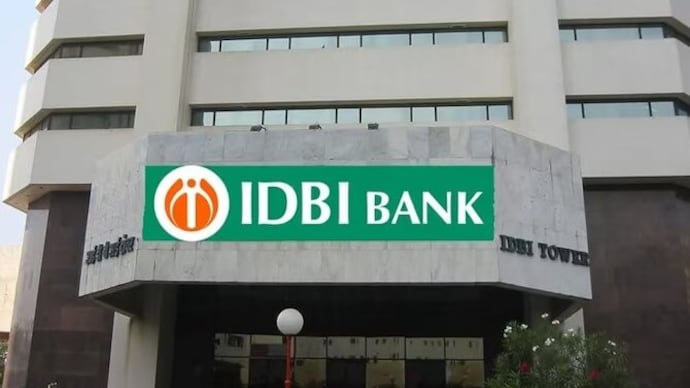
The government's long-delayed plan to privatise IDBI Bank may finally be nearing a breakthrough. Canadian investor Fairfax Financial Holdings, founded by Indian-born billionaire Prem Watsa, has emerged as the frontrunner in the race to acquire a controlling stake in IDBI Bank, according to multiple media reports.
If the proposed transaction goes through, it could be worth around $5.5 billion-$5.7 billion, making it one of the largest foreign investments ever in an Indian bank and one of the government's most significant privatisation deals in recent years.
It may be noted that the deal is still under evaluation and no final decision has been announced. Yet the interest it has generated goes far beyond the sale of a single bank.
It is a story about India's privatisation push, IDBI Bank's remarkable turnaround and growing global confidence in the country's financial sector.
WHAT IS THE PROPOSED DEAL?
The government and Life Insurance Corporation of India (LIC) are seeking to sell a combined 60.7% stake in IDBI Bank.
The central government currently owns about 45.5% of the lender, while LIC holds nearly 49.2%. Together, they control close to 95% of the bank.
After a lengthy bidding process, two contenders remain in the race: Fairfax Financial Holdings and Dubai-based Emirates NBD.
Fairfax has emerged as the frontrunner after revising its financial offer. Government officials are currently evaluating the bids and discussing the next steps in the transaction.
At current market valuations, the stake on sale is worth roughly $5.5 billion-$5.7 billion.
WHY DOES THIS DEAL MATTER?
For the government, the transaction is about much more than selling a bank.
IDBI Bank has been one of the government's most closely watched strategic disinvestment projects. The sale process has stretched over several years, facing delays, regulatory hurdles and disagreements over valuation.
A successful sale would send a strong signal that the government remains committed to reducing its ownership in commercial enterprises and attracting private capital into sectors traditionally dominated by the state.
The deal is also being closely watched because large foreign acquisitions in India's banking sector are relatively rare.
If completed, the transaction would rank among the biggest foreign investments in an Indian bank and could serve as a major vote of confidence in the country's financial system.
WHY IS FAIRFAX INTERESTED?
Fairfax is no stranger to India.
Prem Watsa, often referred to as the "Canadian Warren Buffett", has built a substantial presence in the country through investments spanning financial services, infrastructure, healthcare and technology.
The group already has experience in Indian banking through its investment in CSB Bank.
For Fairfax, IDBI Bank offers something far larger: a nationwide banking franchise at a time when India's economy remains among the fastest-growing in the world.
India's rising credit demand, expanding middle class and increasing formalisation of the economy have made banking one of the country's most attractive long-term sectors.
THE IDBI TURNAROUND STORY
Perhaps the most remarkable aspect of the proposed deal is how dramatically IDBI Bank's fortunes have changed.
A few years ago, the lender was widely seen as one of the weaker links in India's banking system.
It struggled with a large pile of bad loans, weak profitability and repeated capital requirements. In 2018, the Reserve Bank of India placed the bank under its Prompt Corrective Action framework because of financial stress.
Since then, however, IDBI has staged a significant recovery.
Improved recoveries, tighter underwriting standards and capital support helped clean up the bank's balance sheet. Non-performing assets have fallen sharply, profitability has improved and investor confidence has gradually returned.
The transformation has turned IDBI from a troubled public-sector lender into a bank that global investors are willing to spend billions of dollars to acquire.
WHAT WOULD CHANGE IF FAIRFAX TAKES CONTROL?
If Fairfax ultimately succeeds, ownership of the bank would shift significantly towards private hands.
A strategic investor could bring fresh capital, international expertise and a stronger focus on efficiency, technology and digital banking.
Industry observers also expect a private owner to push for faster decision-making and improved competitiveness in a banking sector increasingly dominated by large private lenders.
For customers, however, immediate changes are unlikely.
Branches, deposits, loans and day-to-day banking services are expected to continue normally regardless of who eventually acquires the stake.
The government is currently reviewing revised bids submitted by the shortlisted bidders. While Fairfax is widely viewed as the frontrunner, the process remains ongoing and several approvals would still be required before any transaction is completed.
For now, the proposed sale remains just that — a proposal.
But if it eventually crosses the finish line, it will be remembered as more than a bank acquisition. It would mark the culmination of one of India's longest-running privatisation efforts, underscore the turnaround of a once-troubled lender and highlight the growing appetite of global investors for India's financial sector.
The government's long-delayed plan to privatise IDBI Bank may finally be nearing a breakthrough. Canadian investor Fairfax Financial Holdings, founded by Indian-born billionaire Prem Watsa, has emerged as the frontrunner in the race to acquire a controlling stake in IDBI Bank, according to multiple media reports.
If the proposed transaction goes through, it could be worth around $5.5 billion-$5.7 billion, making it one of the largest foreign investments ever in an Indian bank and one of the government's most significant privatisation deals in recent years.
It may be noted that the deal is still under evaluation and no final decision has been announced. Yet the interest it has generated goes far beyond the sale of a single bank.
It is a story about India's privatisation push, IDBI Bank's remarkable turnaround and growing global confidence in the country's financial sector.
WHAT IS THE PROPOSED DEAL?
The government and Life Insurance Corporation of India (LIC) are seeking to sell a combined 60.7% stake in IDBI Bank.
The central government currently owns about 45.5% of the lender, while LIC holds nearly 49.2%. Together, they control close to 95% of the bank.
After a lengthy bidding process, two contenders remain in the race: Fairfax Financial Holdings and Dubai-based Emirates NBD.
Fairfax has emerged as the frontrunner after revising its financial offer. Government officials are currently evaluating the bids and discussing the next steps in the transaction.
At current market valuations, the stake on sale is worth roughly $5.5 billion-$5.7 billion.
WHY DOES THIS DEAL MATTER?
For the government, the transaction is about much more than selling a bank.
IDBI Bank has been one of the government's most closely watched strategic disinvestment projects. The sale process has stretched over several years, facing delays, regulatory hurdles and disagreements over valuation.
A successful sale would send a strong signal that the government remains committed to reducing its ownership in commercial enterprises and attracting private capital into sectors traditionally dominated by the state.
The deal is also being closely watched because large foreign acquisitions in India's banking sector are relatively rare.
If completed, the transaction would rank among the biggest foreign investments in an Indian bank and could serve as a major vote of confidence in the country's financial system.
WHY IS FAIRFAX INTERESTED?
Fairfax is no stranger to India.
Prem Watsa, often referred to as the "Canadian Warren Buffett", has built a substantial presence in the country through investments spanning financial services, infrastructure, healthcare and technology.
The group already has experience in Indian banking through its investment in CSB Bank.
For Fairfax, IDBI Bank offers something far larger: a nationwide banking franchise at a time when India's economy remains among the fastest-growing in the world.
India's rising credit demand, expanding middle class and increasing formalisation of the economy have made banking one of the country's most attractive long-term sectors.
THE IDBI TURNAROUND STORY
Perhaps the most remarkable aspect of the proposed deal is how dramatically IDBI Bank's fortunes have changed.
A few years ago, the lender was widely seen as one of the weaker links in India's banking system.
It struggled with a large pile of bad loans, weak profitability and repeated capital requirements. In 2018, the Reserve Bank of India placed the bank under its Prompt Corrective Action framework because of financial stress.
Since then, however, IDBI has staged a significant recovery.
Improved recoveries, tighter underwriting standards and capital support helped clean up the bank's balance sheet. Non-performing assets have fallen sharply, profitability has improved and investor confidence has gradually returned.
The transformation has turned IDBI from a troubled public-sector lender into a bank that global investors are willing to spend billions of dollars to acquire.
WHAT WOULD CHANGE IF FAIRFAX TAKES CONTROL?
If Fairfax ultimately succeeds, ownership of the bank would shift significantly towards private hands.
A strategic investor could bring fresh capital, international expertise and a stronger focus on efficiency, technology and digital banking.
Industry observers also expect a private owner to push for faster decision-making and improved competitiveness in a banking sector increasingly dominated by large private lenders.
For customers, however, immediate changes are unlikely.
Branches, deposits, loans and day-to-day banking services are expected to continue normally regardless of who eventually acquires the stake.
The government is currently reviewing revised bids submitted by the shortlisted bidders. While Fairfax is widely viewed as the frontrunner, the process remains ongoing and several approvals would still be required before any transaction is completed.
For now, the proposed sale remains just that — a proposal.
But if it eventually crosses the finish line, it will be remembered as more than a bank acquisition. It would mark the culmination of one of India's longest-running privatisation efforts, underscore the turnaround of a once-troubled lender and highlight the growing appetite of global investors for India's financial sector.

