Psychology says people who keep opening the fridge without feeling hungry aren't looking for food
The main story input was not provided for the requested rewrite. Without source material, the copy draft cannot be prepared.
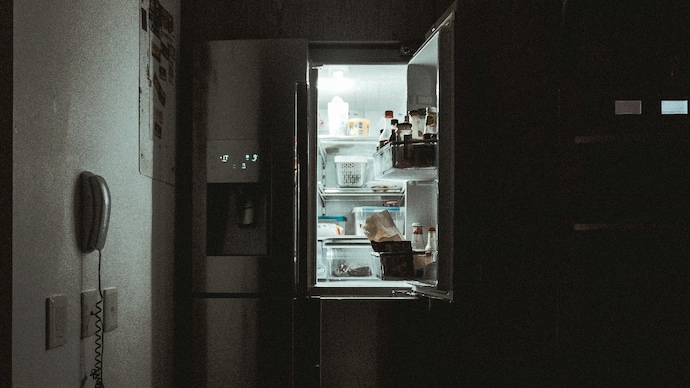
You walk into the kitchen, open the fridge, stare at the shelves for a few seconds, realise nothing has changed since the last time, close the door and walk away.
Ten minutes later, you're back.
If this sounds familiar, you're not alone. Psychology suggests that repeatedly opening the fridge isn't always a sign that you're hungry. In many cases, your brain may be responding to boredom, habit, environmental cues or the possibility of a rewarding surprise.
THE BRAIN OFTEN SEEKS REWARD, NOT JUST FOOD
One explanation comes from the brain's reward system. Food, especially items high in sugar, fat or salt, activates pathways associated with pleasure and motivation.
Over time, your brain can begin anticipating that reward even before you've decided to eat. Simply opening the fridge becomes part of the routine.
For example, after finishing work, you may automatically head to the kitchen without consciously deciding to have a snack. The action itself has become associated with relaxation or a break rather than genuine hunger.
Psychologists distinguish between homeostatic hunger, when your body genuinely needs energy, and hedonic hunger, when eating is driven by pleasure or the expectation of reward.
HABITS CAN TAKE OVER BEFORE YOU NOTICE
Another explanation comes from habit loop theory, popularised by researcher Charles Duhigg and rooted in behavioural psychology.
Habits often follow a simple pattern:
Cue -- Routine – Reward
Imagine you're waiting for a video to load or taking a short break from work. That moment of inactivity becomes the cue. Walking to the fridge is the routine. Even if you don't eat anything, the act of checking satisfies your brain's expectation that something interesting or rewarding might be there.
Over time, the routine becomes so automatic that you may find yourself standing in front of the fridge without remembering making the decision.
BOREDOM CAN FEEL LIKE HUNGER
Psychologists have long observed that people don't always eat because they're physically hungry.
Boredom, stress and understimulation can all increase the urge to seek something enjoyable.
This is because the brain naturally looks for ways to increase stimulation when nothing particularly engaging is happening.
Picture someone working from home on a slow afternoon. They finish one task, have five minutes before the next meeting and instinctively wander into the kitchen. They aren't looking for lunch. They're looking for something to break the monotony.
THE FRIDGE OFFERS POSSIBILITY
One reason the fridge is so tempting is that it represents possibility.
Every time you open it, your brain quickly scans for something appealing.
Maybe there's leftover dessert.
Maybe someone bought ice cream.
Maybe there's a snack you forgot about.
Behavioural psychologists suggest that variable rewards, where the outcome is unpredictable, are especially effective at reinforcing behaviour. It's the same principle that keeps people checking notifications or refreshing social media feeds.
Most of the time, nothing exciting happens. Occasionally, there's a pleasant surprise, and that possibility keeps the behaviour going.
YOUR ENVIRONMENT SHAPES THE HABIT
Our surroundings play a bigger role in behaviour than we often realise.
A brightly lit kitchen, visible snacks or simply walking past the fridge several times a day can trigger the urge to check it.
This is known as cue-dependent behaviour, where environmental signals prompt actions that have become familiar through repetition.
That is why the habit can continue even after you've reminded yourself that you're not hungry.
SO, ARE YOU REALLY LOOKING FOR FOOD?
Not always.
Psychology suggests that repeatedly opening the fridge may reflect the brain's search for reward, stimulation, routine or a brief mental break rather than a genuine need to eat.
The next time you catch yourself staring into the fridge for the third time in an hour, ask yourself one simple question:
Am I hungry, or is my brain just looking for something interesting to happen?
The answer may surprise you.
FAQs
Why do I keep opening the fridge even when I'm not hungry?
Psychology suggests the habit can be linked to boredom, reward seeking, environmental cues and automatic routines rather than physical hunger alone.
Is opening the fridge repeatedly a bad habit?
Not necessarily. It is a common behaviour, although repeatedly eating in response to boredom or stress rather than hunger may become unhelpful over time.
What is hedonic hunger?
Hedonic hunger refers to eating for pleasure or anticipated reward rather than because the body needs energy. It is different from biological hunger driven by physical need.
You walk into the kitchen, open the fridge, stare at the shelves for a few seconds, realise nothing has changed since the last time, close the door and walk away.
Ten minutes later, you're back.
If this sounds familiar, you're not alone. Psychology suggests that repeatedly opening the fridge isn't always a sign that you're hungry. In many cases, your brain may be responding to boredom, habit, environmental cues or the possibility of a rewarding surprise.
THE BRAIN OFTEN SEEKS REWARD, NOT JUST FOOD
One explanation comes from the brain's reward system. Food, especially items high in sugar, fat or salt, activates pathways associated with pleasure and motivation.
Over time, your brain can begin anticipating that reward even before you've decided to eat. Simply opening the fridge becomes part of the routine.
For example, after finishing work, you may automatically head to the kitchen without consciously deciding to have a snack. The action itself has become associated with relaxation or a break rather than genuine hunger.
Psychologists distinguish between homeostatic hunger, when your body genuinely needs energy, and hedonic hunger, when eating is driven by pleasure or the expectation of reward.
HABITS CAN TAKE OVER BEFORE YOU NOTICE
Another explanation comes from habit loop theory, popularised by researcher Charles Duhigg and rooted in behavioural psychology.
Habits often follow a simple pattern:
Cue -- Routine – Reward
Imagine you're waiting for a video to load or taking a short break from work. That moment of inactivity becomes the cue. Walking to the fridge is the routine. Even if you don't eat anything, the act of checking satisfies your brain's expectation that something interesting or rewarding might be there.
Over time, the routine becomes so automatic that you may find yourself standing in front of the fridge without remembering making the decision.
BOREDOM CAN FEEL LIKE HUNGER
Psychologists have long observed that people don't always eat because they're physically hungry.
Boredom, stress and understimulation can all increase the urge to seek something enjoyable.
This is because the brain naturally looks for ways to increase stimulation when nothing particularly engaging is happening.
Picture someone working from home on a slow afternoon. They finish one task, have five minutes before the next meeting and instinctively wander into the kitchen. They aren't looking for lunch. They're looking for something to break the monotony.
THE FRIDGE OFFERS POSSIBILITY
One reason the fridge is so tempting is that it represents possibility.
Every time you open it, your brain quickly scans for something appealing.
Maybe there's leftover dessert.
Maybe someone bought ice cream.
Maybe there's a snack you forgot about.
Behavioural psychologists suggest that variable rewards, where the outcome is unpredictable, are especially effective at reinforcing behaviour. It's the same principle that keeps people checking notifications or refreshing social media feeds.
Most of the time, nothing exciting happens. Occasionally, there's a pleasant surprise, and that possibility keeps the behaviour going.
YOUR ENVIRONMENT SHAPES THE HABIT
Our surroundings play a bigger role in behaviour than we often realise.
A brightly lit kitchen, visible snacks or simply walking past the fridge several times a day can trigger the urge to check it.
This is known as cue-dependent behaviour, where environmental signals prompt actions that have become familiar through repetition.
That is why the habit can continue even after you've reminded yourself that you're not hungry.
SO, ARE YOU REALLY LOOKING FOR FOOD?
Not always.
Psychology suggests that repeatedly opening the fridge may reflect the brain's search for reward, stimulation, routine or a brief mental break rather than a genuine need to eat.
The next time you catch yourself staring into the fridge for the third time in an hour, ask yourself one simple question:
Am I hungry, or is my brain just looking for something interesting to happen?
The answer may surprise you.
FAQs
Why do I keep opening the fridge even when I'm not hungry?
Psychology suggests the habit can be linked to boredom, reward seeking, environmental cues and automatic routines rather than physical hunger alone.
Is opening the fridge repeatedly a bad habit?
Not necessarily. It is a common behaviour, although repeatedly eating in response to boredom or stress rather than hunger may become unhelpful over time.
What is hedonic hunger?
Hedonic hunger refers to eating for pleasure or anticipated reward rather than because the body needs energy. It is different from biological hunger driven by physical need.
You walk into the kitchen, open the fridge, stare at the shelves for a few seconds, realise nothing has changed since the last time, close the door and walk away.
Ten minutes later, you're back.
If this sounds familiar, you're not alone. Psychology suggests that repeatedly opening the fridge isn't always a sign that you're hungry. In many cases, your brain may be responding to boredom, habit, environmental cues or the possibility of a rewarding surprise.
THE BRAIN OFTEN SEEKS REWARD, NOT JUST FOOD
One explanation comes from the brain's reward system. Food, especially items high in sugar, fat or salt, activates pathways associated with pleasure and motivation.
Over time, your brain can begin anticipating that reward even before you've decided to eat. Simply opening the fridge becomes part of the routine.
For example, after finishing work, you may automatically head to the kitchen without consciously deciding to have a snack. The action itself has become associated with relaxation or a break rather than genuine hunger.
Psychologists distinguish between homeostatic hunger, when your body genuinely needs energy, and hedonic hunger, when eating is driven by pleasure or the expectation of reward.
HABITS CAN TAKE OVER BEFORE YOU NOTICE
Another explanation comes from habit loop theory, popularised by researcher Charles Duhigg and rooted in behavioural psychology.
Habits often follow a simple pattern:
Cue -- Routine – Reward
Imagine you're waiting for a video to load or taking a short break from work. That moment of inactivity becomes the cue. Walking to the fridge is the routine. Even if you don't eat anything, the act of checking satisfies your brain's expectation that something interesting or rewarding might be there.
Over time, the routine becomes so automatic that you may find yourself standing in front of the fridge without remembering making the decision.
BOREDOM CAN FEEL LIKE HUNGER
Psychologists have long observed that people don't always eat because they're physically hungry.
Boredom, stress and understimulation can all increase the urge to seek something enjoyable.
This is because the brain naturally looks for ways to increase stimulation when nothing particularly engaging is happening.
Picture someone working from home on a slow afternoon. They finish one task, have five minutes before the next meeting and instinctively wander into the kitchen. They aren't looking for lunch. They're looking for something to break the monotony.
THE FRIDGE OFFERS POSSIBILITY
One reason the fridge is so tempting is that it represents possibility.
Every time you open it, your brain quickly scans for something appealing.
Maybe there's leftover dessert.
Maybe someone bought ice cream.
Maybe there's a snack you forgot about.
Behavioural psychologists suggest that variable rewards, where the outcome is unpredictable, are especially effective at reinforcing behaviour. It's the same principle that keeps people checking notifications or refreshing social media feeds.
Most of the time, nothing exciting happens. Occasionally, there's a pleasant surprise, and that possibility keeps the behaviour going.
YOUR ENVIRONMENT SHAPES THE HABIT
Our surroundings play a bigger role in behaviour than we often realise.
A brightly lit kitchen, visible snacks or simply walking past the fridge several times a day can trigger the urge to check it.
This is known as cue-dependent behaviour, where environmental signals prompt actions that have become familiar through repetition.
That is why the habit can continue even after you've reminded yourself that you're not hungry.
SO, ARE YOU REALLY LOOKING FOR FOOD?
Not always.
Psychology suggests that repeatedly opening the fridge may reflect the brain's search for reward, stimulation, routine or a brief mental break rather than a genuine need to eat.
The next time you catch yourself staring into the fridge for the third time in an hour, ask yourself one simple question:
Am I hungry, or is my brain just looking for something interesting to happen?
The answer may surprise you.
FAQs
Why do I keep opening the fridge even when I'm not hungry?
Psychology suggests the habit can be linked to boredom, reward seeking, environmental cues and automatic routines rather than physical hunger alone.
Is opening the fridge repeatedly a bad habit?
Not necessarily. It is a common behaviour, although repeatedly eating in response to boredom or stress rather than hunger may become unhelpful over time.
What is hedonic hunger?
Hedonic hunger refers to eating for pleasure or anticipated reward rather than because the body needs energy. It is different from biological hunger driven by physical need.

