Can walking through floodwater make you sick? All about Leptospirosis
Flooded streets are common during the monsoon, but the water may carry more than just mud and garbage. Doctors warn that it can also spread leptospirosis, a bacterial infection that can become serious if ignored.
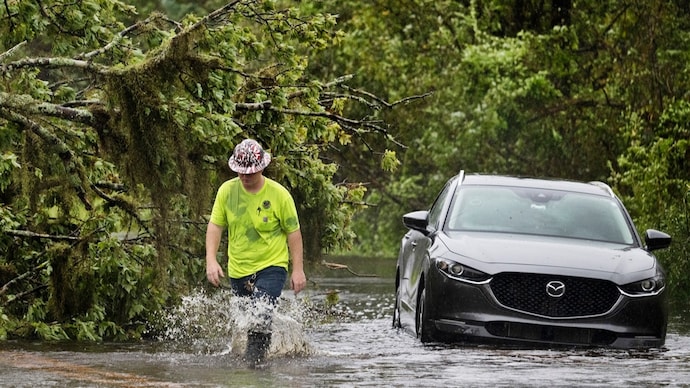
For many people, walking through waterlogged streets during the monsoon feels unavoidable. Whether it's getting to work, school, or simply crossing a flooded road, most people assume that wet feet are the biggest problem they'll face. However, doctors say floodwater can expose people to dangerous bacteria that may lead to serious infections.
One of the biggest concerns during the rainy season is leptospirosis, a bacterial disease that spreads through water contaminated with the urine of infected animals, especially rats. Cases often rise after heavy rainfall and flooding because stagnant water creates the perfect environment for the bacteria to survive.
While not everyone who walks through floodwater will get infected, the risk increases if contaminated water comes into contact with cuts, scrapes, or even tiny breaks in the skin that often go unnoticed. In some cases, the bacteria can also enter the body through the eyes, nose, or mouth.
Doctors say the good news is that leptospirosis is preventable and, when diagnosed early, can be treated effectively with antibiotics. Knowing how the infection spreads and taking a few simple precautions can go a long way in protecting yourself during the monsoon.
WHAT IS LEPTOSPIROSIS?
Leptospirosis is a bacterial infection caused by Leptospira bacteria. It is considered one of the most common infections that spreads during the monsoon, especially in areas where flooding and waterlogging are frequent.
The bacteria are commonly found in the urine of infected animals, particularly rodents. During heavy rains, this contaminated urine mixes with floodwater, mud, and soil, allowing the bacteria to spread more easily.
People become infected when contaminated water enters the body through broken skin or the mucous membranes of the eyes, nose, or mouth.
CAN SIMPLY WALKING THROUGH FLOODWATER MAKE YOU SICK?
According to Dr Sanah Merchant, Consultant General Medicine and Infectious Disease Specialist at Holy Family Hospital, Mumbai, the answer is yes, but only under certain conditions.
She explains that walking through floodwater can pose a significant risk of leptospirosis because the water may be contaminated with bacteria from animal urine.
The bacteria do not usually enter through healthy, intact skin. Instead, they infect a person through:
Small cuts or scratches
Blisters on the feet
Cracked skin
Abrasions
The eyes
The nose
The mouth
Even tiny skin injuries that are difficult to notice can allow bacteria to enter the body.
MYTH VS FACT
Myth: Every person who walks through floodwater will get leptospirosis.
Fact: Most people do not become infected. The risk depends on whether the water is contaminated and whether the bacteria find a way to enter the body through broken skin or mucous membranes.
Myth: Clean-looking floodwater is safe.
Fact: Floodwater may appear clean but can still contain bacteria, sewage, and animal waste that are invisible to the eye.
Myth: Only dirty drains spread leptospirosis.
Fact: Floodwater, mud, wet soil, and areas contaminated by infected animal urine can all spread the infection.
Myth: Leptospirosis is always a mild illness.
Fact: While many people recover with treatment, severe infections can affect the kidneys, liver, lungs, or brain if diagnosis is delayed.
HOW CAN YOU PROTECT YOURSELF?
Doctors recommend taking simple precautions whenever you cannot avoid walking through floodwater.
Wear waterproof boots or footwear whenever possible.
Cover cuts, wounds, or blisters with waterproof dressings.
Avoid walking barefoot in flooded areas.
Wash your feet and any exposed skin thoroughly with soap and clean water after contact with floodwater.
Change into clean, dry clothes and footwear as soon as possible.
These simple steps can significantly reduce your risk of infection.
WATCH OUT FOR THESE SYMPTOMS
Symptoms usually appear a few days to two weeks after exposure and may resemble the flu.
Common symptoms include:
Fever
Severe muscle pain, especially in the calves
Headache
Chills
Vomiting
Weakness
Some people may also develop red eyes, stomach pain, or jaundice if the disease becomes more severe.
WHEN SHOULD YOU SEE A DOCTOR?
If you develop a fever or severe body pain after walking through floodwater, do not ignore it.
Dr Merchant advises seeking medical attention immediately and informing your doctor about your recent exposure to floodwater. This information can help doctors suspect leptospirosis early and start treatment quickly.
She says that early diagnosis and prompt antibiotic treatment are highly effective and can prevent serious complications.
For many people, walking through waterlogged streets during the monsoon feels unavoidable. Whether it's getting to work, school, or simply crossing a flooded road, most people assume that wet feet are the biggest problem they'll face. However, doctors say floodwater can expose people to dangerous bacteria that may lead to serious infections.
One of the biggest concerns during the rainy season is leptospirosis, a bacterial disease that spreads through water contaminated with the urine of infected animals, especially rats. Cases often rise after heavy rainfall and flooding because stagnant water creates the perfect environment for the bacteria to survive.
While not everyone who walks through floodwater will get infected, the risk increases if contaminated water comes into contact with cuts, scrapes, or even tiny breaks in the skin that often go unnoticed. In some cases, the bacteria can also enter the body through the eyes, nose, or mouth.
Doctors say the good news is that leptospirosis is preventable and, when diagnosed early, can be treated effectively with antibiotics. Knowing how the infection spreads and taking a few simple precautions can go a long way in protecting yourself during the monsoon.
WHAT IS LEPTOSPIROSIS?
Leptospirosis is a bacterial infection caused by Leptospira bacteria. It is considered one of the most common infections that spreads during the monsoon, especially in areas where flooding and waterlogging are frequent.
The bacteria are commonly found in the urine of infected animals, particularly rodents. During heavy rains, this contaminated urine mixes with floodwater, mud, and soil, allowing the bacteria to spread more easily.
People become infected when contaminated water enters the body through broken skin or the mucous membranes of the eyes, nose, or mouth.
CAN SIMPLY WALKING THROUGH FLOODWATER MAKE YOU SICK?
According to Dr Sanah Merchant, Consultant General Medicine and Infectious Disease Specialist at Holy Family Hospital, Mumbai, the answer is yes, but only under certain conditions.
She explains that walking through floodwater can pose a significant risk of leptospirosis because the water may be contaminated with bacteria from animal urine.
The bacteria do not usually enter through healthy, intact skin. Instead, they infect a person through:
Small cuts or scratches
Blisters on the feet
Cracked skin
Abrasions
The eyes
The nose
The mouth
Even tiny skin injuries that are difficult to notice can allow bacteria to enter the body.
MYTH VS FACT
Myth: Every person who walks through floodwater will get leptospirosis.
Fact: Most people do not become infected. The risk depends on whether the water is contaminated and whether the bacteria find a way to enter the body through broken skin or mucous membranes.
Myth: Clean-looking floodwater is safe.
Fact: Floodwater may appear clean but can still contain bacteria, sewage, and animal waste that are invisible to the eye.
Myth: Only dirty drains spread leptospirosis.
Fact: Floodwater, mud, wet soil, and areas contaminated by infected animal urine can all spread the infection.
Myth: Leptospirosis is always a mild illness.
Fact: While many people recover with treatment, severe infections can affect the kidneys, liver, lungs, or brain if diagnosis is delayed.
HOW CAN YOU PROTECT YOURSELF?
Doctors recommend taking simple precautions whenever you cannot avoid walking through floodwater.
Wear waterproof boots or footwear whenever possible.
Cover cuts, wounds, or blisters with waterproof dressings.
Avoid walking barefoot in flooded areas.
Wash your feet and any exposed skin thoroughly with soap and clean water after contact with floodwater.
Change into clean, dry clothes and footwear as soon as possible.
These simple steps can significantly reduce your risk of infection.
WATCH OUT FOR THESE SYMPTOMS
Symptoms usually appear a few days to two weeks after exposure and may resemble the flu.
Common symptoms include:
Fever
Severe muscle pain, especially in the calves
Headache
Chills
Vomiting
Weakness
Some people may also develop red eyes, stomach pain, or jaundice if the disease becomes more severe.
WHEN SHOULD YOU SEE A DOCTOR?
If you develop a fever or severe body pain after walking through floodwater, do not ignore it.
Dr Merchant advises seeking medical attention immediately and informing your doctor about your recent exposure to floodwater. This information can help doctors suspect leptospirosis early and start treatment quickly.
She says that early diagnosis and prompt antibiotic treatment are highly effective and can prevent serious complications.

