Why is Dhanush-Vetri Maaran's Thamizh Murugan under fire? 5 key questions answered
The first look of Dhanush and Vetri Maaran's Thamizh Murugan has triggered a debate over how Murugan is portrayed. The row centres on Arivumathi's source book, which views Murugan through history and Tamil identity rather than divinity.
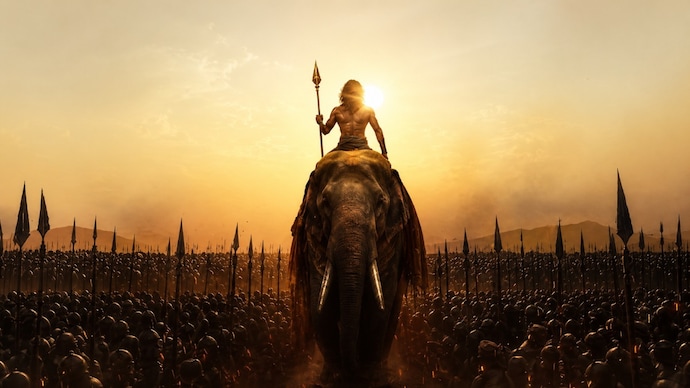
When Dhanush and director Vetri Maaran unveiled the first look of Thamizh Murugan on July 10, fans assumed they were finally getting a film centred on Lord Murugan, one of Tamil Nadu's most revered deities. Instead, the announcement triggered an intense debate on faith, identity and history, with a section of Tamils accusing the makers of attempting to redefine Murugan not as a Hindu god, but as an ancient Tamil king.
The backlash wasn't sparked by the poster alone. It stemmed from the source material. Thamizh Murugan is based on poet and writer Arivumathi's book of the same name, which argues that Murugan's original identity was ethnic rather than religious. The book portrays him as a warrior and leader of the Tamil people, claiming that his status as a deity evolved much later.
The controversy has also surprised many because it comes from Vetri Maaran, a filmmaker known for tackling caste oppression, state violence and social justice – not religion. With the director yet to explain his interpretation, social media has been flooded with criticism from those who believe the film attempts to strip Thamizh Kadavul (the God of the Tamils) of his divine identity.
So why has Thamizh Murugan angered a section of Tamils? Here's the context behind the controversy.
What does the Thamizh Murugan teaser reveal?
The first-look glimpse of Thamizh Murugan features Dhanush standing atop an elephant, holding a vel (Lord Murugan's sacred spear). The teaser then flashes the names of Dhanush, Vetri Maaran, composer Sai Abhyankkar and writer Arivumathi.
Accompanying the announcement was a caption describing Murugan as "The Eternal Protector, warrior, the King and leader of the Thamizh people, and son of Kottravai."
At first glance, many assumed Vetri Maaran was making a mythological film centred on Lord Murugan. However, discussions quickly shifted after readers pointed out that the film is adapted from Arivumathi's controversial work.
Is Thamizh Murugan a film about Lord Murugan?
Not exactly, at least based on what is known so far. The film is reportedly adapted from Arivumathi's book Thamizh Murugan, which offers a radically different interpretation of Murugan. Instead of portraying him as a Hindu deity, the book argues that Murugan was originally an ancient Tamil warrior-king whose identity was rooted in Tamil ethnicity rather than religion. If the film stays faithful to its source material, it is likely to depict Murugan as a historical king rather than a divine figure.
Another point that has emerged in the film's portrayal of Lord Murugan is Vetri Maaran's own body of work. The filmmaker has consistently explored themes of caste, oppression, state violence and education, while largely steering clear of religion and mythology. Given his filmography, many believe his take on Murugan is more likely to be socio-political or historical than devotional.
Whether Vetri Maaran's film fully adopts this interpretation remains unclear. The makers have not elaborated on the story beyond the first-look announcement.
Why has it angered a section of Tamils?
For millions of devotees, Lord Murugan is not merely a historical figure or a cultural symbol. He is Thamizh Kadavul – the God of the Tamils – and one of Hinduism's most worshipped deities in Tamil Nadu.
Known as Karthikeya or Skanda in other parts of India, Murugan occupies a unique place in Tamil culture. His six sacred abodes (Aaru Padai Veedu) across Tamil Nadu attract lakhs of devotees every year, and his worship is deeply intertwined with Tamil identity.
That is precisely why Arivumathi's interpretation has become contentious.
Critics argue that portraying Murugan primarily as an ethnic leader while downplaying or rejecting his divinity undermines centuries of religious belief. Many social media users accused the makers of attempting to reinterpret a deity through a political or historical lens rather than respecting established faith traditions.
Here are some reactions:
For others, however, the debate reflects a larger discussion that has existed in Tamil intellectual circles for decades – whether figures such as Murugan should be viewed primarily through mythology, history or Tamil cultural identity.
Why is Arivumathi's book at the centre of the debate?
The controversy is less about the teaser itself and more about the ideas behind the book it is based on.
Arivumathi's Thamizh Murugan has long been discussed for challenging conventional religious narratives surrounding Murugan. His central argument is that Murugan belonged first to the Tamil people before becoming part of broader Hindu mythology.
With Vetri Maaran adapting the book for the screen, many fear that these ideas could reach a much wider audience, reigniting debates over religion, history and identity.
Did Dhanush and Vetri Maaran say anything yet?
So far, the makers have remained silent.
Neither Dhanush nor Vetri Maaran has addressed the criticism or clarified how closely the film follows Arivumathi's interpretation. Apart from unveiling the first look and title announcement, the team has not revealed any plot details. Until they do, much of the conversation surrounding Thamizh Murugan continues to be driven by the book it is based on rather than the film itself.
As a result, what began as the announcement of Dhanush and Vetri Maaran's fifth collaboration has quickly evolved into one of Tamil cinema's most politically and culturally charged debates, long before a single frame of the film has been released.
When Dhanush and director Vetri Maaran unveiled the first look of Thamizh Murugan on July 10, fans assumed they were finally getting a film centred on Lord Murugan, one of Tamil Nadu's most revered deities. Instead, the announcement triggered an intense debate on faith, identity and history, with a section of Tamils accusing the makers of attempting to redefine Murugan not as a Hindu god, but as an ancient Tamil king.
The backlash wasn't sparked by the poster alone. It stemmed from the source material. Thamizh Murugan is based on poet and writer Arivumathi's book of the same name, which argues that Murugan's original identity was ethnic rather than religious. The book portrays him as a warrior and leader of the Tamil people, claiming that his status as a deity evolved much later.
The controversy has also surprised many because it comes from Vetri Maaran, a filmmaker known for tackling caste oppression, state violence and social justice – not religion. With the director yet to explain his interpretation, social media has been flooded with criticism from those who believe the film attempts to strip Thamizh Kadavul (the God of the Tamils) of his divine identity.
So why has Thamizh Murugan angered a section of Tamils? Here's the context behind the controversy.
What does the Thamizh Murugan teaser reveal?
The first-look glimpse of Thamizh Murugan features Dhanush standing atop an elephant, holding a vel (Lord Murugan's sacred spear). The teaser then flashes the names of Dhanush, Vetri Maaran, composer Sai Abhyankkar and writer Arivumathi.
Accompanying the announcement was a caption describing Murugan as "The Eternal Protector, warrior, the King and leader of the Thamizh people, and son of Kottravai."
At first glance, many assumed Vetri Maaran was making a mythological film centred on Lord Murugan. However, discussions quickly shifted after readers pointed out that the film is adapted from Arivumathi's controversial work.
Is Thamizh Murugan a film about Lord Murugan?
Not exactly, at least based on what is known so far. The film is reportedly adapted from Arivumathi's book Thamizh Murugan, which offers a radically different interpretation of Murugan. Instead of portraying him as a Hindu deity, the book argues that Murugan was originally an ancient Tamil warrior-king whose identity was rooted in Tamil ethnicity rather than religion. If the film stays faithful to its source material, it is likely to depict Murugan as a historical king rather than a divine figure.
Another point that has emerged in the film's portrayal of Lord Murugan is Vetri Maaran's own body of work. The filmmaker has consistently explored themes of caste, oppression, state violence and education, while largely steering clear of religion and mythology. Given his filmography, many believe his take on Murugan is more likely to be socio-political or historical than devotional.
Whether Vetri Maaran's film fully adopts this interpretation remains unclear. The makers have not elaborated on the story beyond the first-look announcement.
Why has it angered a section of Tamils?
For millions of devotees, Lord Murugan is not merely a historical figure or a cultural symbol. He is Thamizh Kadavul – the God of the Tamils – and one of Hinduism's most worshipped deities in Tamil Nadu.
Known as Karthikeya or Skanda in other parts of India, Murugan occupies a unique place in Tamil culture. His six sacred abodes (Aaru Padai Veedu) across Tamil Nadu attract lakhs of devotees every year, and his worship is deeply intertwined with Tamil identity.
That is precisely why Arivumathi's interpretation has become contentious.
Critics argue that portraying Murugan primarily as an ethnic leader while downplaying or rejecting his divinity undermines centuries of religious belief. Many social media users accused the makers of attempting to reinterpret a deity through a political or historical lens rather than respecting established faith traditions.
Here are some reactions:
For others, however, the debate reflects a larger discussion that has existed in Tamil intellectual circles for decades – whether figures such as Murugan should be viewed primarily through mythology, history or Tamil cultural identity.
Why is Arivumathi's book at the centre of the debate?
The controversy is less about the teaser itself and more about the ideas behind the book it is based on.
Arivumathi's Thamizh Murugan has long been discussed for challenging conventional religious narratives surrounding Murugan. His central argument is that Murugan belonged first to the Tamil people before becoming part of broader Hindu mythology.
With Vetri Maaran adapting the book for the screen, many fear that these ideas could reach a much wider audience, reigniting debates over religion, history and identity.
Did Dhanush and Vetri Maaran say anything yet?
So far, the makers have remained silent.
Neither Dhanush nor Vetri Maaran has addressed the criticism or clarified how closely the film follows Arivumathi's interpretation. Apart from unveiling the first look and title announcement, the team has not revealed any plot details. Until they do, much of the conversation surrounding Thamizh Murugan continues to be driven by the book it is based on rather than the film itself.
As a result, what began as the announcement of Dhanush and Vetri Maaran's fifth collaboration has quickly evolved into one of Tamil cinema's most politically and culturally charged debates, long before a single frame of the film has been released.

