US issues travel advisory amid chikungunya outbreak: Here's what doctor explains
As the US issues a travel advisory over chikungunya, a physician explains the early warning signs, why joint pain can last for months and the mistakes that could delay recovery.
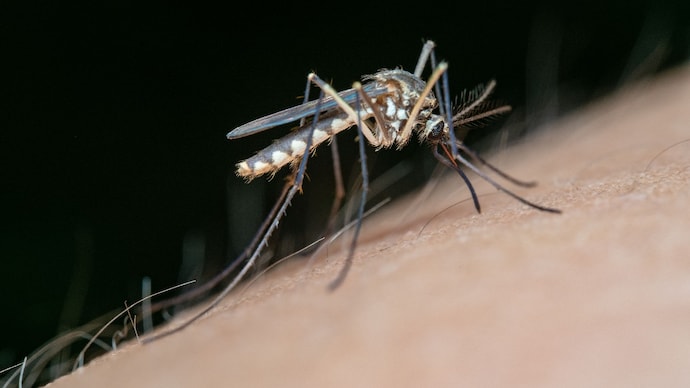
The United States has issued a travel advisory on chikungunya, urging travellers to take precautions against the mosquito-borne viral infection as cases continue to be reported in several countries. While chikungunya is rarely fatal, delayed diagnosis or treatment can leave some patients struggling with debilitating joint pain, stiffness and fatigue for months.
As the monsoon season also brings a rise in mosquito-borne illnesses, health experts are urging people not to dismiss high fever accompanied by intense joint pain as a routine viral infection. While chikungunya is rarely fatal, delayed diagnosis and treatment can leave some patients struggling with debilitating joint pain, stiffness and fatigue for months.
According to Dr Dilip Gude, Senior Consultant Physician at Yashoda Hospitals, Hyderabad, the hallmark of chikungunya is the combination of sudden-onset high fever and disproportionately severe joint pain.
SUDDEN FEVER WITH DISABLING JOINT PAIN IS AN EARLY CLUE
"Unlike a routine viral fever, chikungunya typically presents with an abrupt high fever followed by severe joint pain and stiffness that can make it difficult for patients to walk or even grip objects," Dr Gude said.
Other common symptoms include:
- Sudden high fever
- Severe joint pain and stiffness
- Headache
- Skin rash
- Difficulty walking or gripping objects due to intense joint pain
However, Dr Gude stressed that laboratory testing is essential to confirm the infection.
He added that the disease derives its name from an African word meaning "to walk bent over," reflecting the disabling nature of the joint pain experienced by many patients.
WHY SOME PATIENTS SUFFER FOR MONTHS
While most people recover within a few weeks, some continue to experience persistent joint pain long after the infection has cleared.
Dr Gude explained that the virus can trigger an autoimmune inflammatory response, in which the body's immune system mistakenly attacks muscles, joints and connective tissues even after fighting off the virus.
Older adults, people with uncontrolled diabetes, chronic liver or kidney disease, heart failure and those with pre-existing joint disorders are at greater risk of developing prolonged post-viral complications. In some cases, joint pain, stiffness and muscle inflammation may last for six months to a year.
CHIKUNGUNYA AND DENGUE CAN OCCUR TOGETHER
Since chikungunya and dengue circulate during the same season and share several early symptoms, distinguishing between them clinically can be difficult.
"I have seen many patients who test positive for both dengue and chikungunya. Confections are actually quite common during the monsoon, and only laboratory testing can confirm both infections," Dr Gude said.
While treatment for both diseases is largely supportive, dengue requires close monitoring of platelet counts, whereas chikungunya management focusses on hydration, symptom relief and supportive care.
AVOID SELF-MEDICATION AND SEEK EARLY TESTING
One of the biggest mistakes patients make, according to Dr Gude, is delaying medical consultation and relying on over-the-counter painkillers.
"Early diagnosis and early treatment are the key. Delaying testing by a week or more increases the chances of developing chronic joint pain and stiffness," he said.
He also cautioned against prolonged use of painkillers such as ibuprofen or combination analgesics without medical supervision, as they may do more harm than good.
Although chikungunya rarely causes death, Dr Gude said its long-term impact is often underestimated. Persistent pain, stiffness and fatigue can make it difficult for patients to walk, sleep, work or perform everyday activities for weeks or even months, underscoring the importance of timely diagnosis, appropriate treatment and adequate hydration.
The United States has issued a travel advisory on chikungunya, urging travellers to take precautions against the mosquito-borne viral infection as cases continue to be reported in several countries. While chikungunya is rarely fatal, delayed diagnosis or treatment can leave some patients struggling with debilitating joint pain, stiffness and fatigue for months.
As the monsoon season also brings a rise in mosquito-borne illnesses, health experts are urging people not to dismiss high fever accompanied by intense joint pain as a routine viral infection. While chikungunya is rarely fatal, delayed diagnosis and treatment can leave some patients struggling with debilitating joint pain, stiffness and fatigue for months.
According to Dr Dilip Gude, Senior Consultant Physician at Yashoda Hospitals, Hyderabad, the hallmark of chikungunya is the combination of sudden-onset high fever and disproportionately severe joint pain.
SUDDEN FEVER WITH DISABLING JOINT PAIN IS AN EARLY CLUE
"Unlike a routine viral fever, chikungunya typically presents with an abrupt high fever followed by severe joint pain and stiffness that can make it difficult for patients to walk or even grip objects," Dr Gude said.
Other common symptoms include:
- Sudden high fever
- Severe joint pain and stiffness
- Headache
- Skin rash
- Difficulty walking or gripping objects due to intense joint pain
However, Dr Gude stressed that laboratory testing is essential to confirm the infection.
He added that the disease derives its name from an African word meaning "to walk bent over," reflecting the disabling nature of the joint pain experienced by many patients.
WHY SOME PATIENTS SUFFER FOR MONTHS
While most people recover within a few weeks, some continue to experience persistent joint pain long after the infection has cleared.
Dr Gude explained that the virus can trigger an autoimmune inflammatory response, in which the body's immune system mistakenly attacks muscles, joints and connective tissues even after fighting off the virus.
Older adults, people with uncontrolled diabetes, chronic liver or kidney disease, heart failure and those with pre-existing joint disorders are at greater risk of developing prolonged post-viral complications. In some cases, joint pain, stiffness and muscle inflammation may last for six months to a year.
CHIKUNGUNYA AND DENGUE CAN OCCUR TOGETHER
Since chikungunya and dengue circulate during the same season and share several early symptoms, distinguishing between them clinically can be difficult.
"I have seen many patients who test positive for both dengue and chikungunya. Confections are actually quite common during the monsoon, and only laboratory testing can confirm both infections," Dr Gude said.
While treatment for both diseases is largely supportive, dengue requires close monitoring of platelet counts, whereas chikungunya management focusses on hydration, symptom relief and supportive care.
AVOID SELF-MEDICATION AND SEEK EARLY TESTING
One of the biggest mistakes patients make, according to Dr Gude, is delaying medical consultation and relying on over-the-counter painkillers.
"Early diagnosis and early treatment are the key. Delaying testing by a week or more increases the chances of developing chronic joint pain and stiffness," he said.
He also cautioned against prolonged use of painkillers such as ibuprofen or combination analgesics without medical supervision, as they may do more harm than good.
Although chikungunya rarely causes death, Dr Gude said its long-term impact is often underestimated. Persistent pain, stiffness and fatigue can make it difficult for patients to walk, sleep, work or perform everyday activities for weeks or even months, underscoring the importance of timely diagnosis, appropriate treatment and adequate hydration.
The United States has issued a travel advisory on chikungunya, urging travellers to take precautions against the mosquito-borne viral infection as cases continue to be reported in several countries. While chikungunya is rarely fatal, delayed diagnosis or treatment can leave some patients struggling with debilitating joint pain, stiffness and fatigue for months.
As the monsoon season also brings a rise in mosquito-borne illnesses, health experts are urging people not to dismiss high fever accompanied by intense joint pain as a routine viral infection. While chikungunya is rarely fatal, delayed diagnosis and treatment can leave some patients struggling with debilitating joint pain, stiffness and fatigue for months.
According to Dr Dilip Gude, Senior Consultant Physician at Yashoda Hospitals, Hyderabad, the hallmark of chikungunya is the combination of sudden-onset high fever and disproportionately severe joint pain.
SUDDEN FEVER WITH DISABLING JOINT PAIN IS AN EARLY CLUE
"Unlike a routine viral fever, chikungunya typically presents with an abrupt high fever followed by severe joint pain and stiffness that can make it difficult for patients to walk or even grip objects," Dr Gude said.
Other common symptoms include:
- Sudden high fever
- Severe joint pain and stiffness
- Headache
- Skin rash
- Difficulty walking or gripping objects due to intense joint pain
However, Dr Gude stressed that laboratory testing is essential to confirm the infection.
He added that the disease derives its name from an African word meaning "to walk bent over," reflecting the disabling nature of the joint pain experienced by many patients.
WHY SOME PATIENTS SUFFER FOR MONTHS
While most people recover within a few weeks, some continue to experience persistent joint pain long after the infection has cleared.
Dr Gude explained that the virus can trigger an autoimmune inflammatory response, in which the body's immune system mistakenly attacks muscles, joints and connective tissues even after fighting off the virus.
Older adults, people with uncontrolled diabetes, chronic liver or kidney disease, heart failure and those with pre-existing joint disorders are at greater risk of developing prolonged post-viral complications. In some cases, joint pain, stiffness and muscle inflammation may last for six months to a year.
CHIKUNGUNYA AND DENGUE CAN OCCUR TOGETHER
Since chikungunya and dengue circulate during the same season and share several early symptoms, distinguishing between them clinically can be difficult.
"I have seen many patients who test positive for both dengue and chikungunya. Confections are actually quite common during the monsoon, and only laboratory testing can confirm both infections," Dr Gude said.
While treatment for both diseases is largely supportive, dengue requires close monitoring of platelet counts, whereas chikungunya management focusses on hydration, symptom relief and supportive care.
AVOID SELF-MEDICATION AND SEEK EARLY TESTING
One of the biggest mistakes patients make, according to Dr Gude, is delaying medical consultation and relying on over-the-counter painkillers.
"Early diagnosis and early treatment are the key. Delaying testing by a week or more increases the chances of developing chronic joint pain and stiffness," he said.
He also cautioned against prolonged use of painkillers such as ibuprofen or combination analgesics without medical supervision, as they may do more harm than good.
Although chikungunya rarely causes death, Dr Gude said its long-term impact is often underestimated. Persistent pain, stiffness and fatigue can make it difficult for patients to walk, sleep, work or perform everyday activities for weeks or even months, underscoring the importance of timely diagnosis, appropriate treatment and adequate hydration.

