Fever during the rains? It could be more than just a viral infection
The monsoon brings a surge in infections that often begin with the same symptoms—fever, body ache and fatigue. Doctors explain why early testing and the right diagnosis can save lives and prevent serious complications.
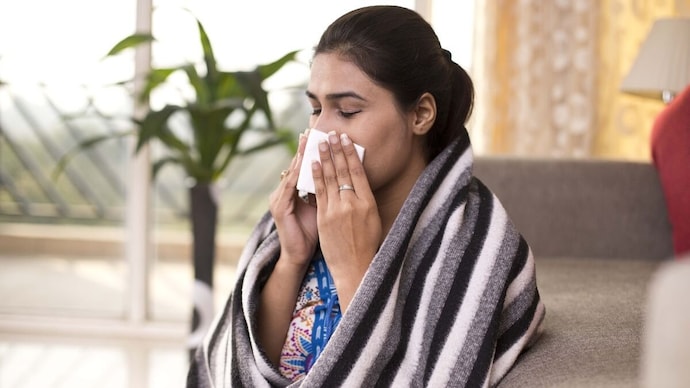
The arrival of the monsoon offers welcome relief from scorching summer temperatures. The cool breeze, the smell of rain-soaked earth and hot comfort foods make it one of the most loved seasons of the year. But alongside the pleasant weather comes another annual reality: a sharp rise in fever cases. For many families, developing a fever during the rainy season has become so common that it is often dismissed as "just a viral infection."
Doctors, however, warn that this assumption can be risky. During the monsoon, several infectious diseases circulate at the same time. Influenza, dengue, malaria, leptospirosis, typhoid, shigellosis and other bacterial or viral infections often begin with nearly identical symptoms. A high fever, headache, chills, muscle pain and weakness may look like an ordinary viral illness, but the underlying cause could be very different. Since each infection requires a different treatment approach, identifying the exact cause early is one of the most important steps in preventing complications.
WHY DO SO MANY INFECTIONS SPREAD DURING THE MONSOON?
The rainy season creates the perfect environment for germs to thrive. Waterlogging allows mosquitoes to breed rapidly, increasing the spread of dengue and malaria. Floodwater often contaminates drinking water with harmful bacteria, raising the risk of infections such as leptospirosis, typhoid and shigellosis. At the same time, respiratory viruses continue to circulate, causing influenza and other viral illnesses.
Because so many infections peak together, doctors often see patients with similar complaints but completely different diseases.
WHY IS IT DIFFICULT TO IDENTIFY THE ILLNESS AT THE BEGINNING?
One of the biggest challenges is that most monsoon infections look almost identical during the first few days.
A person may experience:
High fever
Headache
Body pain
Chills
Fatigue
Loss of appetite
These symptoms are common in several infections. The more specific signs that help doctors identify the disease usually appear later.
For example:
Dengue may later cause a skin rash, low platelet count or bleeding.
Leptospirosis may lead to red eyes, calf muscle pain, jaundice or reduced urine output.
Influenza is more likely to involve a cough, sore throat, blocked nose and breathing difficulty.
Shigellosis usually presents with diarrhoea, abdominal cramps and mucus or blood in the stool.
Until these distinguishing symptoms appear, it can be difficult to know which infection is responsible without proper testing.
WHY DOCTORS SAY EVERY FEVER SHOULD NOT BE TREATED AS "JUST VIRAL"
According to Dr A. S. Anoop Kumar, Critical Care Specialist, many patients delay visiting a doctor because they assume the fever will settle on its own.
He says that during the monsoon, infections such as dengue, leptospirosis, shigellosis and certain viral illnesses may begin with almost identical symptoms but require completely different treatments. Delaying medical care or treating the wrong illness can allow the disease to worsen and may even become life-threatening in some cases.
This is why doctors advise against self-diagnosing every fever as a simple viral infection.
WHAT SYMPTOMS GIVE DOCTORS IMPORTANT CLUES?
According to Dr Indraneel Saha, Consultant Physician and Specialist in Gastroenterology and Therapeutic Endoscopy at Neuberg Pulse Diagnostics, doctors look beyond the fever itself.
Certain symptoms can point towards specific infections.
Influenza may be suspected if fever is accompanied by:
Persistent cough
Sore throat
Runny or blocked nose
Difficulty breathing
Leptospirosis becomes more likely if the patient has:
Recently walked through floodwater
Red eyes
Severe calf muscle pain
Yellowing of the eyes or skin
Reduced urine output
Shigellosis may be suspected if there are:
Loose motions
Stomach cramps
Mucus or blood in the stool
Typhoid may be considered when:
Fever continues for several days
There is abdominal discomfort
Digestive symptoms develop
Doctors also carefully ask about recent travel, exposure to stagnant water, mosquito bites and food or water consumed before falling ill.
WHICH TESTS HELP IDENTIFY THE CAUSE?
Doctors say that blood tests provide valuable information, but cannot always identify the infection on their own.
Some commonly used investigations include:
COMPLETE BLOOD COUNT (CBC)
A CBC is often the first test ordered. It may show:
Low platelet count, which raises suspicion of dengue.
Increased concentration of blood cells caused by dehydration.
Changes in white blood cells that provide clues about infection.
However, a CBC alone cannot confirm the diagnosis.
MOLECULAR TESTS FOR INFLUENZA
If influenza is suspected, respiratory samples can be analysed using molecular tests that detect the virus quickly and accurately.
TESTS FOR LEPTOSPIROSIS
The investigation depends on how long the patient has been sick. Early in the illness, doctors may detect bacterial DNA. Later, blood tests that identify antibodies become more useful.
STOOL TESTS
Patients with diarrhoea and abdominal cramps may need stool testing to identify Shigella and other intestinal infections.
BLOOD CULTURES
If typhoid fever is suspected, blood cultures help confirm the diagnosis and guide treatment.
Dr Saha emphasises that laboratory reports should always be interpreted together with symptoms, physical examination and exposure history.
WHY EARLY DIAGNOSIS MATTERS
Doctors say identifying the correct infection early offers several benefits.
It helps:
Start the correct treatment sooner.
Avoid unnecessary antibiotics.
- advertisement
Prevent serious complications.
Reduce hospital admissions.
Improve recovery.
Detect outbreaks earlier and strengthen public health surveillance.
Dr A. S. Anoop Kumar says modern molecular diagnostic techniques, particularly Nucleic Acid Amplification Tests (NAATs), have significantly improved the speed and accuracy of diagnosing infectious diseases. Unlike conventional tests that may take days, these tests can identify the exact organism within hours, allowing doctors to begin targeted treatment much earlier.
He adds that platforms such as Truenat have expanded access to molecular testing even in district hospitals and smaller healthcare centres.
HOW CAN YOU PROTECT YOURSELF DURING THE MONSOON?
Doctors recommend the following a few simple precautions throughout the rainy season:
Drink only safe and clean water.
Wash your hands regularly with soap.
Eat freshly prepared food.
Avoid food from unhygienic places.
Stay away from stagnant or floodwater whenever possible.
Wear protective footwear while walking through waterlogged areas.
Prevent mosquito breeding around your home.
Use mosquito repellents and sleep under mosquito nets where needed.
WHEN SHOULD YOU SEE A DOCTOR IMMEDIATELY?
Do not ignore a fever if it is accompanied by:
Difficulty breathing
Persistent vomiting
Severe weakness
Confusion
Fits or seizures
Jaundice
Reduced urine output
Continuous diarrhoea
Bleeding or unusual bruising
Parents should also ensure children with a fever get enough rest and are examined promptly if symptoms worsen.
Doctors strongly discourage self-medication, particularly antibiotics or painkillers taken without medical advice, as they can delay diagnosis or increase the risk of complications.
Not every fever during the monsoon is caused by a viral infection. While many illnesses begin with the same symptoms, the treatment for dengue is very different from influenza, leptospirosis, malaria or typhoid. Waiting for symptoms to settle on their own or assuming every fever is "just viral" can delay life-saving treatment.
Doctors say the safest approach is simple: seek medical attention early, share your recent travel and exposure history, and undergo the investigations your doctor recommends. A timely diagnosis not only improves recovery but also helps prevent severe illness during one of the busiest infectious disease seasons of the year.
The arrival of the monsoon offers welcome relief from scorching summer temperatures. The cool breeze, the smell of rain-soaked earth and hot comfort foods make it one of the most loved seasons of the year. But alongside the pleasant weather comes another annual reality: a sharp rise in fever cases. For many families, developing a fever during the rainy season has become so common that it is often dismissed as "just a viral infection."
Doctors, however, warn that this assumption can be risky. During the monsoon, several infectious diseases circulate at the same time. Influenza, dengue, malaria, leptospirosis, typhoid, shigellosis and other bacterial or viral infections often begin with nearly identical symptoms. A high fever, headache, chills, muscle pain and weakness may look like an ordinary viral illness, but the underlying cause could be very different. Since each infection requires a different treatment approach, identifying the exact cause early is one of the most important steps in preventing complications.
WHY DO SO MANY INFECTIONS SPREAD DURING THE MONSOON?
The rainy season creates the perfect environment for germs to thrive. Waterlogging allows mosquitoes to breed rapidly, increasing the spread of dengue and malaria. Floodwater often contaminates drinking water with harmful bacteria, raising the risk of infections such as leptospirosis, typhoid and shigellosis. At the same time, respiratory viruses continue to circulate, causing influenza and other viral illnesses.
Because so many infections peak together, doctors often see patients with similar complaints but completely different diseases.
WHY IS IT DIFFICULT TO IDENTIFY THE ILLNESS AT THE BEGINNING?
One of the biggest challenges is that most monsoon infections look almost identical during the first few days.
A person may experience:
High fever
Headache
Body pain
Chills
Fatigue
Loss of appetite
These symptoms are common in several infections. The more specific signs that help doctors identify the disease usually appear later.
For example:
Dengue may later cause a skin rash, low platelet count or bleeding.
Leptospirosis may lead to red eyes, calf muscle pain, jaundice or reduced urine output.
Influenza is more likely to involve a cough, sore throat, blocked nose and breathing difficulty.
Shigellosis usually presents with diarrhoea, abdominal cramps and mucus or blood in the stool.
Until these distinguishing symptoms appear, it can be difficult to know which infection is responsible without proper testing.
WHY DOCTORS SAY EVERY FEVER SHOULD NOT BE TREATED AS "JUST VIRAL"
According to Dr A. S. Anoop Kumar, Critical Care Specialist, many patients delay visiting a doctor because they assume the fever will settle on its own.
He says that during the monsoon, infections such as dengue, leptospirosis, shigellosis and certain viral illnesses may begin with almost identical symptoms but require completely different treatments. Delaying medical care or treating the wrong illness can allow the disease to worsen and may even become life-threatening in some cases.
This is why doctors advise against self-diagnosing every fever as a simple viral infection.
WHAT SYMPTOMS GIVE DOCTORS IMPORTANT CLUES?
According to Dr Indraneel Saha, Consultant Physician and Specialist in Gastroenterology and Therapeutic Endoscopy at Neuberg Pulse Diagnostics, doctors look beyond the fever itself.
Certain symptoms can point towards specific infections.
Influenza may be suspected if fever is accompanied by:
Persistent cough
Sore throat
Runny or blocked nose
Difficulty breathing
Leptospirosis becomes more likely if the patient has:
Recently walked through floodwater
Red eyes
Severe calf muscle pain
Yellowing of the eyes or skin
Reduced urine output
Shigellosis may be suspected if there are:
Loose motions
Stomach cramps
Mucus or blood in the stool
Typhoid may be considered when:
Fever continues for several days
There is abdominal discomfort
Digestive symptoms develop
Doctors also carefully ask about recent travel, exposure to stagnant water, mosquito bites and food or water consumed before falling ill.
WHICH TESTS HELP IDENTIFY THE CAUSE?
Doctors say that blood tests provide valuable information, but cannot always identify the infection on their own.
Some commonly used investigations include:
COMPLETE BLOOD COUNT (CBC)
A CBC is often the first test ordered. It may show:
Low platelet count, which raises suspicion of dengue.
Increased concentration of blood cells caused by dehydration.
Changes in white blood cells that provide clues about infection.
However, a CBC alone cannot confirm the diagnosis.
MOLECULAR TESTS FOR INFLUENZA
If influenza is suspected, respiratory samples can be analysed using molecular tests that detect the virus quickly and accurately.
TESTS FOR LEPTOSPIROSIS
The investigation depends on how long the patient has been sick. Early in the illness, doctors may detect bacterial DNA. Later, blood tests that identify antibodies become more useful.
STOOL TESTS
Patients with diarrhoea and abdominal cramps may need stool testing to identify Shigella and other intestinal infections.
BLOOD CULTURES
If typhoid fever is suspected, blood cultures help confirm the diagnosis and guide treatment.
Dr Saha emphasises that laboratory reports should always be interpreted together with symptoms, physical examination and exposure history.
WHY EARLY DIAGNOSIS MATTERS
Doctors say identifying the correct infection early offers several benefits.
It helps:
Start the correct treatment sooner.
Avoid unnecessary antibiotics.
Prevent serious complications.
Reduce hospital admissions.
Improve recovery.
Detect outbreaks earlier and strengthen public health surveillance.
Dr A. S. Anoop Kumar says modern molecular diagnostic techniques, particularly Nucleic Acid Amplification Tests (NAATs), have significantly improved the speed and accuracy of diagnosing infectious diseases. Unlike conventional tests that may take days, these tests can identify the exact organism within hours, allowing doctors to begin targeted treatment much earlier.
He adds that platforms such as Truenat have expanded access to molecular testing even in district hospitals and smaller healthcare centres.
HOW CAN YOU PROTECT YOURSELF DURING THE MONSOON?
Doctors recommend the following a few simple precautions throughout the rainy season:
Drink only safe and clean water.
Wash your hands regularly with soap.
Eat freshly prepared food.
Avoid food from unhygienic places.
Stay away from stagnant or floodwater whenever possible.
Wear protective footwear while walking through waterlogged areas.
Prevent mosquito breeding around your home.
Use mosquito repellents and sleep under mosquito nets where needed.
WHEN SHOULD YOU SEE A DOCTOR IMMEDIATELY?
Do not ignore a fever if it is accompanied by:
Difficulty breathing
Persistent vomiting
Severe weakness
Confusion
Fits or seizures
Jaundice
Reduced urine output
Continuous diarrhoea
Bleeding or unusual bruising
Parents should also ensure children with a fever get enough rest and are examined promptly if symptoms worsen.
Doctors strongly discourage self-medication, particularly antibiotics or painkillers taken without medical advice, as they can delay diagnosis or increase the risk of complications.
Not every fever during the monsoon is caused by a viral infection. While many illnesses begin with the same symptoms, the treatment for dengue is very different from influenza, leptospirosis, malaria or typhoid. Waiting for symptoms to settle on their own or assuming every fever is "just viral" can delay life-saving treatment.
Doctors say the safest approach is simple: seek medical attention early, share your recent travel and exposure history, and undergo the investigations your doctor recommends. A timely diagnosis not only improves recovery but also helps prevent severe illness during one of the busiest infectious disease seasons of the year.

