People with Type 2 diabetes may raise the risk of severe dengue: Study finds
People with Type 2 diabetes may be more vulnerable to severe dengue. An endocrinologist explains why, the warning signs to watch for and how good blood sugar control can lower complications.
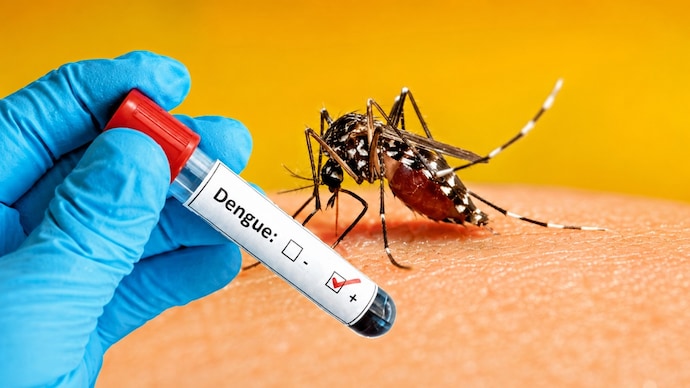
People living with Type 2 diabetes may face a significantly higher risk of developing severe dengue, according to a study. Researchers found that diabetes can increase the chances of complications such as dengue haemorrhagic fever and dengue shock syndrome, making timely diagnosis and careful management crucial.
The findings are supported by evidence published in the Journal of Infection and Public Health, which has also linked diabetes to poorer dengue outcomes.
WHY DIABETES MAKES DENGUE MORE DANGEROUS
According to Dr Vineet Kumar Surana, Consultant – Diabetes and Endocrinology, Manipal Hospital, Dwarka, New Delhi, diabetes affects the body's immune system, making it harder to fight infections like dengue.
"People with Type 2 diabetes often have an impaired immune response compared to the general population. When immunity is compromised, the dengue virus becomes more dangerous, increasing the risk of severe dengue, dengue shock syndrome and dengue haemorrhagic fever," Dr Vineet said.
He explained that weakened immunity is the primary reason behind the increased risk. However, diabetes also causes endothelial dysfunction (damage to the lining of blood vessels) and platelet dysfunction, both of which can worsen dengue-related complications.
FEVER DURING DENGUE SEASON? DON'T WAIT
Dr Vineet advised people with diabetes to be extra cautious if they develop fever during the dengue season.
He said patients should seek medical evaluation early and undergo regular monitoring of platelet count and haematocrit, two important indicators used to assess dengue severity.
Hydration is equally important. "Blood sugar levels usually rise during infections, increasing the risk of dehydration. Dengue causes fluid to leak from blood vessels, reducing circulating blood volume. Combined with dehydration from high blood sugar, this can worsen the illness," he explained.
However, people who also have kidney disease or heart disease should avoid self-managing fluid intake and may require early hospital admission, so doctors can carefully balance their fluid therapy.
WARNING SIGNS THAT NEED URGENT CARE
Dr Vineet said people with diabetes should not ignore a disproportionately fast pulse rate, difficulty breathing, severe abdominal pain or swelling of the limbs.
He added that a rapid fall in platelet count or a rise in haematocrit on blood tests are important warning signs that dengue may be progressing and require immediate medical attention.
GOOD BLOOD SUGAR CONTROL CAN MAKE A DIFFERENCE
Maintaining good blood sugar control may help reduce the risk of severe dengue, Dr Vineet said.
"Proper glycaemic control strengthens immunity, lowers the risk of infections and helps prevent complications," he said.
However, because blood glucose levels often rise during infections, people with diabetes should stay in close contact with their doctor, who may adjust their medications as needed. Because dengue can affect liver function, doctors may temporarily switch some patients to insulin to help control blood sugar safely and reduce the risk of complications.
Although all people with Type 2 diabetes are at a higher risk of severe dengue, Dr Vineet said the danger is greatest among those with poorly controlled diabetes, obesity, kidney disease or heart disease. Maintaining good blood sugar control from the time of diagnosis, he added, remains one of the most effective ways to reduce the risk of severe infections and related complications.
People living with Type 2 diabetes may face a significantly higher risk of developing severe dengue, according to a study. Researchers found that diabetes can increase the chances of complications such as dengue haemorrhagic fever and dengue shock syndrome, making timely diagnosis and careful management crucial.
The findings are supported by evidence published in the Journal of Infection and Public Health, which has also linked diabetes to poorer dengue outcomes.
WHY DIABETES MAKES DENGUE MORE DANGEROUS
According to Dr Vineet Kumar Surana, Consultant – Diabetes and Endocrinology, Manipal Hospital, Dwarka, New Delhi, diabetes affects the body's immune system, making it harder to fight infections like dengue.
"People with Type 2 diabetes often have an impaired immune response compared to the general population. When immunity is compromised, the dengue virus becomes more dangerous, increasing the risk of severe dengue, dengue shock syndrome and dengue haemorrhagic fever," Dr Vineet said.
He explained that weakened immunity is the primary reason behind the increased risk. However, diabetes also causes endothelial dysfunction (damage to the lining of blood vessels) and platelet dysfunction, both of which can worsen dengue-related complications.
FEVER DURING DENGUE SEASON? DON'T WAIT
Dr Vineet advised people with diabetes to be extra cautious if they develop fever during the dengue season.
He said patients should seek medical evaluation early and undergo regular monitoring of platelet count and haematocrit, two important indicators used to assess dengue severity.
Hydration is equally important. "Blood sugar levels usually rise during infections, increasing the risk of dehydration. Dengue causes fluid to leak from blood vessels, reducing circulating blood volume. Combined with dehydration from high blood sugar, this can worsen the illness," he explained.
However, people who also have kidney disease or heart disease should avoid self-managing fluid intake and may require early hospital admission, so doctors can carefully balance their fluid therapy.
WARNING SIGNS THAT NEED URGENT CARE
Dr Vineet said people with diabetes should not ignore a disproportionately fast pulse rate, difficulty breathing, severe abdominal pain or swelling of the limbs.
He added that a rapid fall in platelet count or a rise in haematocrit on blood tests are important warning signs that dengue may be progressing and require immediate medical attention.
GOOD BLOOD SUGAR CONTROL CAN MAKE A DIFFERENCE
Maintaining good blood sugar control may help reduce the risk of severe dengue, Dr Vineet said.
"Proper glycaemic control strengthens immunity, lowers the risk of infections and helps prevent complications," he said.
However, because blood glucose levels often rise during infections, people with diabetes should stay in close contact with their doctor, who may adjust their medications as needed. Because dengue can affect liver function, doctors may temporarily switch some patients to insulin to help control blood sugar safely and reduce the risk of complications.
Although all people with Type 2 diabetes are at a higher risk of severe dengue, Dr Vineet said the danger is greatest among those with poorly controlled diabetes, obesity, kidney disease or heart disease. Maintaining good blood sugar control from the time of diagnosis, he added, remains one of the most effective ways to reduce the risk of severe infections and related complications.
People living with Type 2 diabetes may face a significantly higher risk of developing severe dengue, according to a study. Researchers found that diabetes can increase the chances of complications such as dengue haemorrhagic fever and dengue shock syndrome, making timely diagnosis and careful management crucial.
The findings are supported by evidence published in the Journal of Infection and Public Health, which has also linked diabetes to poorer dengue outcomes.
WHY DIABETES MAKES DENGUE MORE DANGEROUS
According to Dr Vineet Kumar Surana, Consultant – Diabetes and Endocrinology, Manipal Hospital, Dwarka, New Delhi, diabetes affects the body's immune system, making it harder to fight infections like dengue.
"People with Type 2 diabetes often have an impaired immune response compared to the general population. When immunity is compromised, the dengue virus becomes more dangerous, increasing the risk of severe dengue, dengue shock syndrome and dengue haemorrhagic fever," Dr Vineet said.
He explained that weakened immunity is the primary reason behind the increased risk. However, diabetes also causes endothelial dysfunction (damage to the lining of blood vessels) and platelet dysfunction, both of which can worsen dengue-related complications.
FEVER DURING DENGUE SEASON? DON'T WAIT
Dr Vineet advised people with diabetes to be extra cautious if they develop fever during the dengue season.
He said patients should seek medical evaluation early and undergo regular monitoring of platelet count and haematocrit, two important indicators used to assess dengue severity.
Hydration is equally important. "Blood sugar levels usually rise during infections, increasing the risk of dehydration. Dengue causes fluid to leak from blood vessels, reducing circulating blood volume. Combined with dehydration from high blood sugar, this can worsen the illness," he explained.
However, people who also have kidney disease or heart disease should avoid self-managing fluid intake and may require early hospital admission, so doctors can carefully balance their fluid therapy.
WARNING SIGNS THAT NEED URGENT CARE
Dr Vineet said people with diabetes should not ignore a disproportionately fast pulse rate, difficulty breathing, severe abdominal pain or swelling of the limbs.
He added that a rapid fall in platelet count or a rise in haematocrit on blood tests are important warning signs that dengue may be progressing and require immediate medical attention.
GOOD BLOOD SUGAR CONTROL CAN MAKE A DIFFERENCE
Maintaining good blood sugar control may help reduce the risk of severe dengue, Dr Vineet said.
"Proper glycaemic control strengthens immunity, lowers the risk of infections and helps prevent complications," he said.
However, because blood glucose levels often rise during infections, people with diabetes should stay in close contact with their doctor, who may adjust their medications as needed. Because dengue can affect liver function, doctors may temporarily switch some patients to insulin to help control blood sugar safely and reduce the risk of complications.
Although all people with Type 2 diabetes are at a higher risk of severe dengue, Dr Vineet said the danger is greatest among those with poorly controlled diabetes, obesity, kidney disease or heart disease. Maintaining good blood sugar control from the time of diagnosis, he added, remains one of the most effective ways to reduce the risk of severe infections and related complications.

