2008 Ahmedabad blasts aimed to topple govt: Gujarat High Court
The Gujarat High Court has upheld death for 38 convicts and life terms for 11 in the 2008 Ahmedabad serial blasts case. Calling the attacks a strike on India's sovereignty, the bench said the conspiracy sought to spread terror and shake constitutional order.
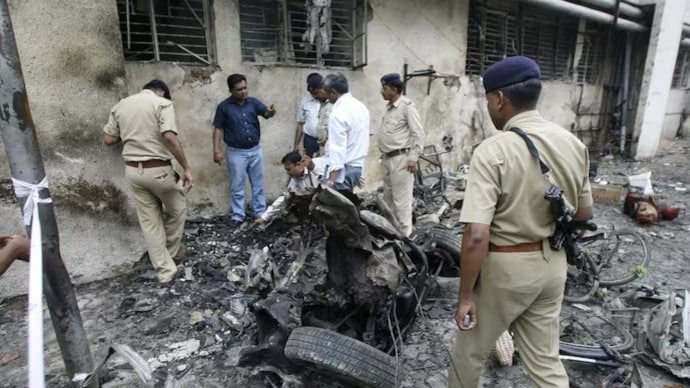
The Gujarat High Court has said the 2008 Ahmedabad serial bomb blasts were "an attack on the sovereignty of India" and that their ultimate objective was to topple a democratically elected government. In a judgment delivered on July 7, a division bench of Justices A Y Kogje and Samir Dave upheld the death sentence of 38 Indian Mujahideen operatives and life imprisonment for 11 others.
The court said the case fell in the "rarest of the rare" category. It noted that 56 people were killed and 240 were injured when 21 bomb blasts hit Ahmedabad within 70 minutes on July 26, 2008. Blasts also took place in hospitals as victims from other places were being rushed there, marking the first time hospitals were targeted in such an attack.
The full 2,223-page judgment became available on Monday. "There is no doubt in the mind of the court that such a consorted attack is an attack on the sovereignty of India with the ultimate objective, as is even reflected from evidence of witnesses, to topple the democratically elected government," the high court said. It added that not handing down appropriate sentences, or looking for small excuses to avoid sentencing, would amount to a miscarriage of justice.
Citing the case of Ajmal Kasab, whose death sentence in the 2008 Mumbai terror attack case was upheld by the Supreme Court as a "very rarest of the rare case", the high court said the present case fell in the same category. It said the number of deaths, the "humongous nature of conspiracy", the intention "to create an atmosphere of widespread terror in the society", the conduct of the convicts during trial, the scale of the conspiracy, and the loss of innocent lives in the "inhuman and dastardly act" justified capital punishment. "The manner in which the bomb blasts were executed speaks volumes about the mindset and the remorseless act of taking away the lives of innocent people," the court observed.
The bench said the blasts in predominantly Hindu and non-Muslim areas sought to "strike to the root of an orderly society envisioned under our Constitution, and (were) therefore an act of terrorism". It also said some of the convicts had criminal antecedents and none had shown remorse. Disciplinary action had been taken against them during their incarceration, and there was nothing on record to justify a lenient view on sentencing, it said. Referring to their conduct, the court said the accused showed "headstrongness" and pointed out that they dug a 213-foot tunnel while lodged in Sabarmati Central Jail and would have escaped had it not been detected in time.
While awarding compensation to the victims, the high court noted that the government did not ask them whether they wanted to be represented by lawyers provided under legal aid. It said there is a trend in vogue "of clever defence arguments and misplaced sympathies" that drives the court to think only about the accused and not the many victims who remain hidden and are never visible. The court directed the state government to pay Rs 10 lakh to the families of those killed and Rs 5 lakh to those who were grievously injured.
The judgment also referred to doctor couple Prerak Shah and his wife Kinjal Shah, who were killed while on duty when a bomb went off at the civil hospital. The court said "the accused cannot escape by maintaining that they were not aware or planned for such catastrophic effect which would warrant nothing less than a capital punishment". It also noted that almost all the accused sentenced to death or life imprisonment had serious criminal antecedents.
On the 11 convicts whose life sentences were upheld, the court said the prosecution had established the role of some of them in terror training camps in Gujarat and Kerala. It said the involvement of others was proved in buying a scooter, plastic containers and a clock, and in arranging shelter for other accused.
Of the 78 people who faced trial, 49 were convicted in February 2022 after the trial court merged 20 FIRs filed in Ahmedabad for the 21 blasts and 15 FIRs filed in Surat, where planted bombs failed to explode. A special court in February 2022 sentenced 38 Indian Mujahideen members to death and 11 others to life imprisonment. Those convicted included former SIMI leader Safdar Nagori and his associates from 11 states, including Gujarat, Madhya Pradesh, Kerala and Uttar Pradesh. The high court judgment upheld those sentences and described the blasts as a terror conspiracy aimed at spreading fear and striking at the foundations of the constitutional order.
The Gujarat High Court has said the 2008 Ahmedabad serial bomb blasts were "an attack on the sovereignty of India" and that their ultimate objective was to topple a democratically elected government. In a judgment delivered on July 7, a division bench of Justices A Y Kogje and Samir Dave upheld the death sentence of 38 Indian Mujahideen operatives and life imprisonment for 11 others.
The court said the case fell in the "rarest of the rare" category. It noted that 56 people were killed and 240 were injured when 21 bomb blasts hit Ahmedabad within 70 minutes on July 26, 2008. Blasts also took place in hospitals as victims from other places were being rushed there, marking the first time hospitals were targeted in such an attack.
The full 2,223-page judgment became available on Monday. "There is no doubt in the mind of the court that such a consorted attack is an attack on the sovereignty of India with the ultimate objective, as is even reflected from evidence of witnesses, to topple the democratically elected government," the high court said. It added that not handing down appropriate sentences, or looking for small excuses to avoid sentencing, would amount to a miscarriage of justice.
Citing the case of Ajmal Kasab, whose death sentence in the 2008 Mumbai terror attack case was upheld by the Supreme Court as a "very rarest of the rare case", the high court said the present case fell in the same category. It said the number of deaths, the "humongous nature of conspiracy", the intention "to create an atmosphere of widespread terror in the society", the conduct of the convicts during trial, the scale of the conspiracy, and the loss of innocent lives in the "inhuman and dastardly act" justified capital punishment. "The manner in which the bomb blasts were executed speaks volumes about the mindset and the remorseless act of taking away the lives of innocent people," the court observed.
The bench said the blasts in predominantly Hindu and non-Muslim areas sought to "strike to the root of an orderly society envisioned under our Constitution, and (were) therefore an act of terrorism". It also said some of the convicts had criminal antecedents and none had shown remorse. Disciplinary action had been taken against them during their incarceration, and there was nothing on record to justify a lenient view on sentencing, it said. Referring to their conduct, the court said the accused showed "headstrongness" and pointed out that they dug a 213-foot tunnel while lodged in Sabarmati Central Jail and would have escaped had it not been detected in time.
While awarding compensation to the victims, the high court noted that the government did not ask them whether they wanted to be represented by lawyers provided under legal aid. It said there is a trend in vogue "of clever defence arguments and misplaced sympathies" that drives the court to think only about the accused and not the many victims who remain hidden and are never visible. The court directed the state government to pay Rs 10 lakh to the families of those killed and Rs 5 lakh to those who were grievously injured.
The judgment also referred to doctor couple Prerak Shah and his wife Kinjal Shah, who were killed while on duty when a bomb went off at the civil hospital. The court said "the accused cannot escape by maintaining that they were not aware or planned for such catastrophic effect which would warrant nothing less than a capital punishment". It also noted that almost all the accused sentenced to death or life imprisonment had serious criminal antecedents.
On the 11 convicts whose life sentences were upheld, the court said the prosecution had established the role of some of them in terror training camps in Gujarat and Kerala. It said the involvement of others was proved in buying a scooter, plastic containers and a clock, and in arranging shelter for other accused.
Of the 78 people who faced trial, 49 were convicted in February 2022 after the trial court merged 20 FIRs filed in Ahmedabad for the 21 blasts and 15 FIRs filed in Surat, where planted bombs failed to explode. A special court in February 2022 sentenced 38 Indian Mujahideen members to death and 11 others to life imprisonment. Those convicted included former SIMI leader Safdar Nagori and his associates from 11 states, including Gujarat, Madhya Pradesh, Kerala and Uttar Pradesh. The high court judgment upheld those sentences and described the blasts as a terror conspiracy aimed at spreading fear and striking at the foundations of the constitutional order.

