No GenZ disconnect, PM responded with action: Smriti Irani on NEET protest row
Smriti Irani said the Centre answered the NEET paper leak protests with legislation, a task force and direct outreach by Prime Minister Narendra Modi. She said the response showed engagement with students while drawing a line against violence during dissent.
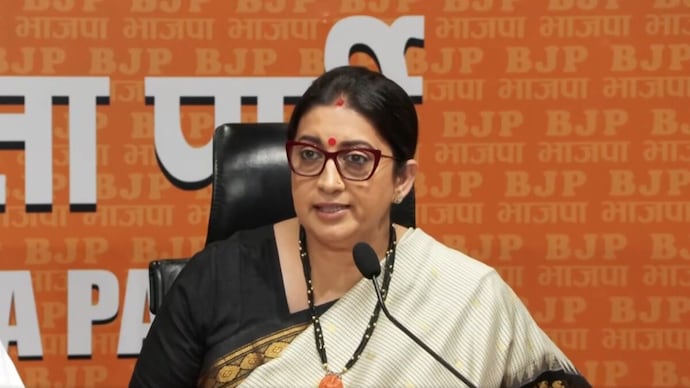
Senior BJP leader and former Union Education Minister Smriti Irani has dismissed claims that the NEET paper leak protests exposed a widening disconnect between Generation Z (GenZ) and the Narendra Modi government. She asserted that the Centre responded swiftly through legislation, dialogue and direct communication by the Prime Minister.
In an exclusive interview with India Today, Irani said the passage of the anti-paper leak legislation in Parliament, coupled with Prime Minister Modi's recent appeal to students through an Instagram video, demonstrated that the government was responsive to the concerns of young people rather than indifferent to them.
'NO DISCONNECT BETWEEN GENZ AND GOVT'
Asked whether the student-led protests reflected a growing gap between the youth and the government, Irani rejected the premise, arguing that the government's response proved otherwise.
She said Parliament had passed the anti-paper leak Bill after extensive deliberations and described the Prime Minister's message to protesting students as evidence of constructive engagement.
"It is a great insult to Parliament when you say the issue has merely been papered over," she said, adding that the government had acted proactively by setting up a task force, passing the legislation and directly communicating with young citizens.
Irani also accused sections of the media of disproportionately focusing on the Jantar Mantar protests while ignoring similar student movements elsewhere, particularly in Jharkhand.
DEFENDS EDUCATION REFORMS, ANTI-PAPER LEAK BILL
Responding to concerns over whether previous reform committees had yielded tangible results, Irani said the new legislation "speaks for itself" and argued that examination-related challenges had existed long before the Modi government came to power.
Drawing on her tenure as Education Minister, she said the National Education Policy was framed after one of the most extensive consultation exercises in independent India's history.
According to her, the government consulted more than 2.25 lakh village education councils, district education officers, state education ministers, parent-teacher associations and student bodies before finalising the policy.
She also defended the composition of the newly constituted task force on examination reforms, saying it reflected the Prime Minister's willingness to involve experts and individuals across political and ideological lines rather than limiting participation to supporters of the government.
'RIGHT TO DISSENT, NOT TO ANARCHY'
Irani strongly defended the police response during the protests, saying democratic dissent was a constitutional right but violence against security personnel could not be justified.
She questioned why images of injured Delhi Police and paramilitary personnel had received relatively little attention and pointed to reports that individuals with criminal backgrounds had participated in the demonstrations.
"You have the right to debate, deliberate and dissent. You do not have the right to anarchy," she said, urging that conclusions be drawn only after official investigations are completed.
Rejecting attempts to portray the issue as a conflict between the government and GenZ, Irani argued that many young Indians serve in the armed forces, police and other public institutions, and should not be grouped together based solely on age.
"Don't bring age as a new division," she said, adding that patriotism and respect for democratic institutions transcended generational identities.
CREDITS PM MODI'S LEADERSHIP
Responding to criticism over the government's handling of the protests, Irani credited Prime Minister Narendra Modi's leadership for maintaining a balance between protecting students and preserving law and order.
She said then Education Minister Dharmendra Pradhan stepped down to prevent student protests from being "usurped by criminal forces" and described the government's actions as sensitive and timely.
Concluding the interview, Irani maintained that the Centre's response to the protests reflected a willingness to engage with students while ensuring that democratic dissent did not descend into violence or attacks on public institutions.
Senior BJP leader and former Union Education Minister Smriti Irani has dismissed claims that the NEET paper leak protests exposed a widening disconnect between Generation Z (GenZ) and the Narendra Modi government. She asserted that the Centre responded swiftly through legislation, dialogue and direct communication by the Prime Minister.
In an exclusive interview with India Today, Irani said the passage of the anti-paper leak legislation in Parliament, coupled with Prime Minister Modi's recent appeal to students through an Instagram video, demonstrated that the government was responsive to the concerns of young people rather than indifferent to them.
'NO DISCONNECT BETWEEN GENZ AND GOVT'
Asked whether the student-led protests reflected a growing gap between the youth and the government, Irani rejected the premise, arguing that the government's response proved otherwise.
She said Parliament had passed the anti-paper leak Bill after extensive deliberations and described the Prime Minister's message to protesting students as evidence of constructive engagement.
"It is a great insult to Parliament when you say the issue has merely been papered over," she said, adding that the government had acted proactively by setting up a task force, passing the legislation and directly communicating with young citizens.
Irani also accused sections of the media of disproportionately focusing on the Jantar Mantar protests while ignoring similar student movements elsewhere, particularly in Jharkhand.
DEFENDS EDUCATION REFORMS, ANTI-PAPER LEAK BILL
Responding to concerns over whether previous reform committees had yielded tangible results, Irani said the new legislation "speaks for itself" and argued that examination-related challenges had existed long before the Modi government came to power.
Drawing on her tenure as Education Minister, she said the National Education Policy was framed after one of the most extensive consultation exercises in independent India's history.
According to her, the government consulted more than 2.25 lakh village education councils, district education officers, state education ministers, parent-teacher associations and student bodies before finalising the policy.
She also defended the composition of the newly constituted task force on examination reforms, saying it reflected the Prime Minister's willingness to involve experts and individuals across political and ideological lines rather than limiting participation to supporters of the government.
'RIGHT TO DISSENT, NOT TO ANARCHY'
Irani strongly defended the police response during the protests, saying democratic dissent was a constitutional right but violence against security personnel could not be justified.
She questioned why images of injured Delhi Police and paramilitary personnel had received relatively little attention and pointed to reports that individuals with criminal backgrounds had participated in the demonstrations.
"You have the right to debate, deliberate and dissent. You do not have the right to anarchy," she said, urging that conclusions be drawn only after official investigations are completed.
Rejecting attempts to portray the issue as a conflict between the government and GenZ, Irani argued that many young Indians serve in the armed forces, police and other public institutions, and should not be grouped together based solely on age.
"Don't bring age as a new division," she said, adding that patriotism and respect for democratic institutions transcended generational identities.
CREDITS PM MODI'S LEADERSHIP
Responding to criticism over the government's handling of the protests, Irani credited Prime Minister Narendra Modi's leadership for maintaining a balance between protecting students and preserving law and order.
She said then Education Minister Dharmendra Pradhan stepped down to prevent student protests from being "usurped by criminal forces" and described the government's actions as sensitive and timely.
Concluding the interview, Irani maintained that the Centre's response to the protests reflected a willingness to engage with students while ensuring that democratic dissent did not descend into violence or attacks on public institutions.
Senior BJP leader and former Union Education Minister Smriti Irani has dismissed claims that the NEET paper leak protests exposed a widening disconnect between Generation Z (GenZ) and the Narendra Modi government. She asserted that the Centre responded swiftly through legislation, dialogue and direct communication by the Prime Minister.
In an exclusive interview with India Today, Irani said the passage of the anti-paper leak legislation in Parliament, coupled with Prime Minister Modi's recent appeal to students through an Instagram video, demonstrated that the government was responsive to the concerns of young people rather than indifferent to them.
'NO DISCONNECT BETWEEN GENZ AND GOVT'
Asked whether the student-led protests reflected a growing gap between the youth and the government, Irani rejected the premise, arguing that the government's response proved otherwise.
She said Parliament had passed the anti-paper leak Bill after extensive deliberations and described the Prime Minister's message to protesting students as evidence of constructive engagement.
"It is a great insult to Parliament when you say the issue has merely been papered over," she said, adding that the government had acted proactively by setting up a task force, passing the legislation and directly communicating with young citizens.
Irani also accused sections of the media of disproportionately focusing on the Jantar Mantar protests while ignoring similar student movements elsewhere, particularly in Jharkhand.
DEFENDS EDUCATION REFORMS, ANTI-PAPER LEAK BILL
Responding to concerns over whether previous reform committees had yielded tangible results, Irani said the new legislation "speaks for itself" and argued that examination-related challenges had existed long before the Modi government came to power.
Drawing on her tenure as Education Minister, she said the National Education Policy was framed after one of the most extensive consultation exercises in independent India's history.
According to her, the government consulted more than 2.25 lakh village education councils, district education officers, state education ministers, parent-teacher associations and student bodies before finalising the policy.
She also defended the composition of the newly constituted task force on examination reforms, saying it reflected the Prime Minister's willingness to involve experts and individuals across political and ideological lines rather than limiting participation to supporters of the government.
'RIGHT TO DISSENT, NOT TO ANARCHY'
Irani strongly defended the police response during the protests, saying democratic dissent was a constitutional right but violence against security personnel could not be justified.
She questioned why images of injured Delhi Police and paramilitary personnel had received relatively little attention and pointed to reports that individuals with criminal backgrounds had participated in the demonstrations.
"You have the right to debate, deliberate and dissent. You do not have the right to anarchy," she said, urging that conclusions be drawn only after official investigations are completed.
Rejecting attempts to portray the issue as a conflict between the government and GenZ, Irani argued that many young Indians serve in the armed forces, police and other public institutions, and should not be grouped together based solely on age.
"Don't bring age as a new division," she said, adding that patriotism and respect for democratic institutions transcended generational identities.
CREDITS PM MODI'S LEADERSHIP
Responding to criticism over the government's handling of the protests, Irani credited Prime Minister Narendra Modi's leadership for maintaining a balance between protecting students and preserving law and order.
She said then Education Minister Dharmendra Pradhan stepped down to prevent student protests from being "usurped by criminal forces" and described the government's actions as sensitive and timely.
Concluding the interview, Irani maintained that the Centre's response to the protests reflected a willingness to engage with students while ensuring that democratic dissent did not descend into violence or attacks on public institutions.

