What are rules 167 and 267, why they hold key for NEET debate in House: Explained
The explainer examines how Rules 167 and 267 govern discussions in the Rajya Sabha. It shows why the distinction matters for parliamentary procedure and motions.
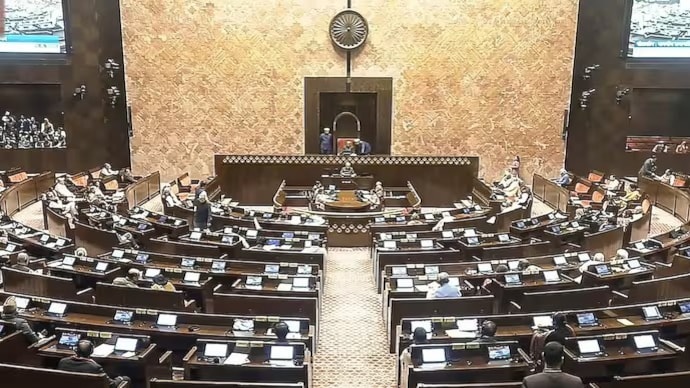
The political deadlock in Parliament over the NEET paper leak controversy has centred not on whether the issue should be debated, but under which parliamentary rule the discussion should take place. While the government has repeatedly expressed its willingness to hold a detailed debate, the Opposition has insisted that it be taken up under Rule 267 of the Rajya Sabha Rules of Procedure.
The disagreement over procedure has repeatedly stalled proceedings, making the rules themselves central to the confrontation.
For those unfamiliar with parliamentary procedure, Rule 167 and Rule 267 serve different purposes and have distinct consequences.
The choice between them determines not only how the debate is conducted but also the level of political accountability that follows.
WHAT IS RULE 167?
Rule 167 provides for a structured discussion on matters of general public importance through a formal motion. Before such a discussion can begin, the Rajya Sabha Chairman must grant permission for the motion to be moved.
Once admitted, members debate the issue, suggest amendments to the motion and hear the government's response through the concerned Minister.
After the discussion concludes, the House votes on the motion and any amendments. This makes Rule 167 a substantive parliamentary mechanism that allows the House to formally express its opinion on an issue.
Because it culminates in a recorded vote, Rule 167 carries greater political significance than a routine discussion.
The outcome reflects the collective view of the House and places a higher degree of parliamentary accountability on the government.
For this reason, discussions under Rule 167 are generally reserved for matters of broad public interest that warrant a structured debate and a formal decision.
In situations where there is disagreement over invoking emergency procedures such as Rule 267, Rule 167 is often viewed as a structured alternative that allows Parliament to debate the issue comprehensively while following the normal legislative process.
WHAT IS RULE 267?
Rule 267 serves an entirely different objective. It enables a Member of Parliament to seek suspension of the day's listed business so that the House can immediately discuss an issue considered urgent and of national importance.
To invoke the rule, a member must submit a written notice to the Chairman, who has complete discretion to either admit or reject the request.
If permission is granted, the House sets aside its scheduled agenda and takes up the urgent issue for discussion.
The rule is designed as an exceptional procedural tool rather than a regular debating mechanism.
Its primary purpose is to ensure that pressing national concerns receive immediate parliamentary attention instead of waiting for their turn in the normal schedule.
Unlike Rule 167, however, Rule 267 is not intended to produce a formal resolution of the House.
It focuses on suspending the day's business to facilitate an urgent discussion and does not contain an in-built mechanism requiring the House to vote on a motion at the end of the debate.
WHY DOES CHOICE OF RULE MATTER?
The distinction between the two rules explains the present impasse:
For the Opposition, invoking Rule 267 is a way of signalling that the NEET paper leak controversy is so urgent that Parliament should suspend all scheduled business and discuss it immediately. Acceptance of such a notice also conveys the exceptional importance of the issue.
The government, on the other hand, has maintained that it is fully prepared for a comprehensive discussion but prefers doing so under the regular parliamentary framework instead of suspending the House's listed business.
Parliamentary rules already provide several mechanisms for debating matters of public importance, and the government argues these are sufficient for an extensive discussion.
The procedural choice also has political implications. While Rule 267 provides an immediate platform for debate, Rule 167 goes a step further by requiring a formal motion, permitting amendments and culminating in a recorded vote.
That vote enables the House to formally express its position, making Rule 167 a more structured mechanism with greater political accountability for the executive.
Regardless of the rule invoked, parliamentary convention requires the government to respond to serious issues raised in the House. The concerned Minister or the Leader of the House replies on behalf of the government, reflecting the executive's collective responsibility to Parliament.
WHY THE DISPUTE?
The dispute over the NEET controversy illustrates these procedural differences.
Opposition leaders, including Leader of Opposition in the Rajya Sabha Mallikarjun Kharge, submitted notices under Rule 267 seeking to suspend normal business and prioritise a debate on the paper leak, examination irregularities and students' protests.
The government, meanwhile, reiterated through Leader of the House JP Nadda that it was ready for an in-depth discussion—even one lasting 12 or 18 hours—but preferred a debate under the regular rules instead of suspending the day's agenda.
As the procedural standoff continued, repeated adjournments prevented a substantive discussion despite both sides publicly expressing willingness to debate the issue.
The political deadlock in Parliament over the NEET paper leak controversy has centred not on whether the issue should be debated, but under which parliamentary rule the discussion should take place. While the government has repeatedly expressed its willingness to hold a detailed debate, the Opposition has insisted that it be taken up under Rule 267 of the Rajya Sabha Rules of Procedure.
The disagreement over procedure has repeatedly stalled proceedings, making the rules themselves central to the confrontation.
For those unfamiliar with parliamentary procedure, Rule 167 and Rule 267 serve different purposes and have distinct consequences.
The choice between them determines not only how the debate is conducted but also the level of political accountability that follows.
WHAT IS RULE 167?
Rule 167 provides for a structured discussion on matters of general public importance through a formal motion. Before such a discussion can begin, the Rajya Sabha Chairman must grant permission for the motion to be moved.
Once admitted, members debate the issue, suggest amendments to the motion and hear the government's response through the concerned Minister.
After the discussion concludes, the House votes on the motion and any amendments. This makes Rule 167 a substantive parliamentary mechanism that allows the House to formally express its opinion on an issue.
Because it culminates in a recorded vote, Rule 167 carries greater political significance than a routine discussion.
The outcome reflects the collective view of the House and places a higher degree of parliamentary accountability on the government.
For this reason, discussions under Rule 167 are generally reserved for matters of broad public interest that warrant a structured debate and a formal decision.
In situations where there is disagreement over invoking emergency procedures such as Rule 267, Rule 167 is often viewed as a structured alternative that allows Parliament to debate the issue comprehensively while following the normal legislative process.
WHAT IS RULE 267?
Rule 267 serves an entirely different objective. It enables a Member of Parliament to seek suspension of the day's listed business so that the House can immediately discuss an issue considered urgent and of national importance.
To invoke the rule, a member must submit a written notice to the Chairman, who has complete discretion to either admit or reject the request.
If permission is granted, the House sets aside its scheduled agenda and takes up the urgent issue for discussion.
The rule is designed as an exceptional procedural tool rather than a regular debating mechanism.
Its primary purpose is to ensure that pressing national concerns receive immediate parliamentary attention instead of waiting for their turn in the normal schedule.
Unlike Rule 167, however, Rule 267 is not intended to produce a formal resolution of the House.
It focuses on suspending the day's business to facilitate an urgent discussion and does not contain an in-built mechanism requiring the House to vote on a motion at the end of the debate.
WHY DOES CHOICE OF RULE MATTER?
The distinction between the two rules explains the present impasse:
For the Opposition, invoking Rule 267 is a way of signalling that the NEET paper leak controversy is so urgent that Parliament should suspend all scheduled business and discuss it immediately. Acceptance of such a notice also conveys the exceptional importance of the issue.
The government, on the other hand, has maintained that it is fully prepared for a comprehensive discussion but prefers doing so under the regular parliamentary framework instead of suspending the House's listed business.
Parliamentary rules already provide several mechanisms for debating matters of public importance, and the government argues these are sufficient for an extensive discussion.
The procedural choice also has political implications. While Rule 267 provides an immediate platform for debate, Rule 167 goes a step further by requiring a formal motion, permitting amendments and culminating in a recorded vote.
That vote enables the House to formally express its position, making Rule 167 a more structured mechanism with greater political accountability for the executive.
Regardless of the rule invoked, parliamentary convention requires the government to respond to serious issues raised in the House. The concerned Minister or the Leader of the House replies on behalf of the government, reflecting the executive's collective responsibility to Parliament.
WHY THE DISPUTE?
The dispute over the NEET controversy illustrates these procedural differences.
Opposition leaders, including Leader of Opposition in the Rajya Sabha Mallikarjun Kharge, submitted notices under Rule 267 seeking to suspend normal business and prioritise a debate on the paper leak, examination irregularities and students' protests.
The government, meanwhile, reiterated through Leader of the House JP Nadda that it was ready for an in-depth discussion—even one lasting 12 or 18 hours—but preferred a debate under the regular rules instead of suspending the day's agenda.
As the procedural standoff continued, repeated adjournments prevented a substantive discussion despite both sides publicly expressing willingness to debate the issue.
The political deadlock in Parliament over the NEET paper leak controversy has centred not on whether the issue should be debated, but under which parliamentary rule the discussion should take place. While the government has repeatedly expressed its willingness to hold a detailed debate, the Opposition has insisted that it be taken up under Rule 267 of the Rajya Sabha Rules of Procedure.
The disagreement over procedure has repeatedly stalled proceedings, making the rules themselves central to the confrontation.
For those unfamiliar with parliamentary procedure, Rule 167 and Rule 267 serve different purposes and have distinct consequences.
The choice between them determines not only how the debate is conducted but also the level of political accountability that follows.
WHAT IS RULE 167?
Rule 167 provides for a structured discussion on matters of general public importance through a formal motion. Before such a discussion can begin, the Rajya Sabha Chairman must grant permission for the motion to be moved.
Once admitted, members debate the issue, suggest amendments to the motion and hear the government's response through the concerned Minister.
After the discussion concludes, the House votes on the motion and any amendments. This makes Rule 167 a substantive parliamentary mechanism that allows the House to formally express its opinion on an issue.
Because it culminates in a recorded vote, Rule 167 carries greater political significance than a routine discussion.
The outcome reflects the collective view of the House and places a higher degree of parliamentary accountability on the government.
For this reason, discussions under Rule 167 are generally reserved for matters of broad public interest that warrant a structured debate and a formal decision.
In situations where there is disagreement over invoking emergency procedures such as Rule 267, Rule 167 is often viewed as a structured alternative that allows Parliament to debate the issue comprehensively while following the normal legislative process.
WHAT IS RULE 267?
Rule 267 serves an entirely different objective. It enables a Member of Parliament to seek suspension of the day's listed business so that the House can immediately discuss an issue considered urgent and of national importance.
To invoke the rule, a member must submit a written notice to the Chairman, who has complete discretion to either admit or reject the request.
If permission is granted, the House sets aside its scheduled agenda and takes up the urgent issue for discussion.
The rule is designed as an exceptional procedural tool rather than a regular debating mechanism.
Its primary purpose is to ensure that pressing national concerns receive immediate parliamentary attention instead of waiting for their turn in the normal schedule.
Unlike Rule 167, however, Rule 267 is not intended to produce a formal resolution of the House.
It focuses on suspending the day's business to facilitate an urgent discussion and does not contain an in-built mechanism requiring the House to vote on a motion at the end of the debate.
WHY DOES CHOICE OF RULE MATTER?
The distinction between the two rules explains the present impasse:
For the Opposition, invoking Rule 267 is a way of signalling that the NEET paper leak controversy is so urgent that Parliament should suspend all scheduled business and discuss it immediately. Acceptance of such a notice also conveys the exceptional importance of the issue.
The government, on the other hand, has maintained that it is fully prepared for a comprehensive discussion but prefers doing so under the regular parliamentary framework instead of suspending the House's listed business.
Parliamentary rules already provide several mechanisms for debating matters of public importance, and the government argues these are sufficient for an extensive discussion.
The procedural choice also has political implications. While Rule 267 provides an immediate platform for debate, Rule 167 goes a step further by requiring a formal motion, permitting amendments and culminating in a recorded vote.
That vote enables the House to formally express its position, making Rule 167 a more structured mechanism with greater political accountability for the executive.
Regardless of the rule invoked, parliamentary convention requires the government to respond to serious issues raised in the House. The concerned Minister or the Leader of the House replies on behalf of the government, reflecting the executive's collective responsibility to Parliament.
WHY THE DISPUTE?
The dispute over the NEET controversy illustrates these procedural differences.
Opposition leaders, including Leader of Opposition in the Rajya Sabha Mallikarjun Kharge, submitted notices under Rule 267 seeking to suspend normal business and prioritise a debate on the paper leak, examination irregularities and students' protests.
The government, meanwhile, reiterated through Leader of the House JP Nadda that it was ready for an in-depth discussion—even one lasting 12 or 18 hours—but preferred a debate under the regular rules instead of suspending the day's agenda.
As the procedural standoff continued, repeated adjournments prevented a substantive discussion despite both sides publicly expressing willingness to debate the issue.

