Ban censor board: RGV says censorship is killing Indian cinema in explosive rant
Ram Gopal Varma has called for the censor board to be abolished, saying adults should choose what they watch. He argued that in the digital era, censorship is outdated and the industry should challenge it in court and public discourse.
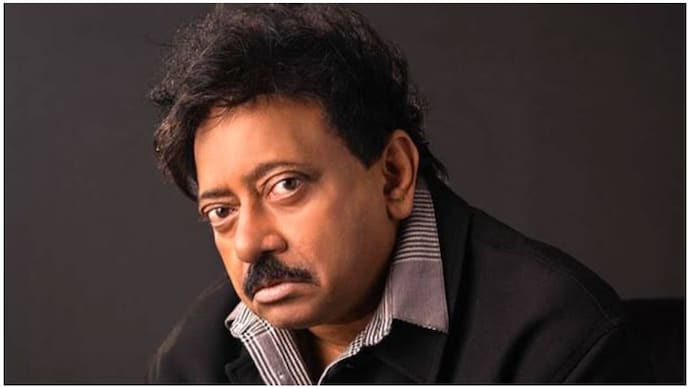
Filmmaker Ram Gopal Varma has launched a scathing attack on film censorship in India, calling for the censor board to be abolished altogether. In a strongly worded social media post, the director argued that censorship is an "insult" to audiences and questioned why adults who are trusted to vote, raise families and run businesses should not be trusted to decide what films they want to watch.
Varma began his post by declaring, "CENSOR should be BANNED," adding that censoring films in today's digital age was both outdated and irrational.
Calling the current system fundamentally flawed, he questioned the qualifications of government-appointed committee members who decide what audiences can or cannot watch.
"In an era of smartphones, global streaming, and access to infinite information, to pretend that a government-appointed committee can shield adults from a filmmaker's perspective of any truth is not only outdated, but it's also idiotic (sic)," he wrote.
The filmmaker further argued that the government's trust in adults appeared contradictory. While citizens are considered mature enough to vote and shape the country's future, they are still denied the freedom to choose what films they wish to watch.
"An 18-year-old can choose the leader of the country, but needs some random committee member to decide if hearing a cuss word or watching a shot is corruptive. That's not safeguarding society but infantilising it (sic)," he said.
The 64-year-old director also maintained that films are simply a filmmaker's perspective and that audiences should have the freedom to agree or disagree with what they see on screen without interference from authorities.
The Satya director also questioned the effectiveness of censorship in the internet era, arguing that cuts made for theatrical releases become meaningless when uncut versions are readily available online.
"Cutting a scene for theatrical release is laughable because the uncut version will hit torrents, Telegram and international platforms within hours. Censorship doesn't hide content; it actually creates more demand," he said.
Citing the example of the hit Hollywood film, Obsession, he claimed that a scene removed by censors was eventually viewed by far more people through social media than in theatres.
According to him, the focus should shift from imposing cuts to providing clear content information so viewers can make informed choices themselves.
Varma also urged filmmakers and producers to stop accepting arbitrary cuts and instead collectively challenge the censor board's role through legal and public platforms.
"I think it's time for the industry to come together to challenge the very existence of the censor board in its present form, both in courts and public discourse. Democracy demands free expression, and in a connected world, isolating and mutilating cinema is not just being blind and deaf—it is actually suicidal for our growth (sic),” he concluded.
Obsession underwent multiple cuts
For the unversed, after receiving an 'A' certificate, Obsession was released only after 38 seconds of footage, including scenes featuring extreme violence and sexual content, were removed. According to the certification details, the CBFC also directed the insertion of mandatory anti-smoking and anti-tobacco health spots, along with statutory warnings wherever scenes featured smoking or alcohol consumption.
The most significant modifications, however, involved the removal of content considered unsuitable by the board. The CBFC ordered a 24-second reduction of scenes depicting "extreme violence" and the complete deletion of 14 seconds featuring "graphic sexual activity", taking the total footage removed to 38 seconds. A visual containing nudity was also deleted before the film was granted clearance for theatrical release.
Filmmaker Ram Gopal Varma has launched a scathing attack on film censorship in India, calling for the censor board to be abolished altogether. In a strongly worded social media post, the director argued that censorship is an "insult" to audiences and questioned why adults who are trusted to vote, raise families and run businesses should not be trusted to decide what films they want to watch.
Varma began his post by declaring, "CENSOR should be BANNED," adding that censoring films in today's digital age was both outdated and irrational.
Calling the current system fundamentally flawed, he questioned the qualifications of government-appointed committee members who decide what audiences can or cannot watch.
"In an era of smartphones, global streaming, and access to infinite information, to pretend that a government-appointed committee can shield adults from a filmmaker's perspective of any truth is not only outdated, but it's also idiotic (sic)," he wrote.
The filmmaker further argued that the government's trust in adults appeared contradictory. While citizens are considered mature enough to vote and shape the country's future, they are still denied the freedom to choose what films they wish to watch.
"An 18-year-old can choose the leader of the country, but needs some random committee member to decide if hearing a cuss word or watching a shot is corruptive. That's not safeguarding society but infantilising it (sic)," he said.
The 64-year-old director also maintained that films are simply a filmmaker's perspective and that audiences should have the freedom to agree or disagree with what they see on screen without interference from authorities.
The Satya director also questioned the effectiveness of censorship in the internet era, arguing that cuts made for theatrical releases become meaningless when uncut versions are readily available online.
"Cutting a scene for theatrical release is laughable because the uncut version will hit torrents, Telegram and international platforms within hours. Censorship doesn't hide content; it actually creates more demand," he said.
Citing the example of the hit Hollywood film, Obsession, he claimed that a scene removed by censors was eventually viewed by far more people through social media than in theatres.
According to him, the focus should shift from imposing cuts to providing clear content information so viewers can make informed choices themselves.
Varma also urged filmmakers and producers to stop accepting arbitrary cuts and instead collectively challenge the censor board's role through legal and public platforms.
"I think it's time for the industry to come together to challenge the very existence of the censor board in its present form, both in courts and public discourse. Democracy demands free expression, and in a connected world, isolating and mutilating cinema is not just being blind and deaf—it is actually suicidal for our growth (sic),” he concluded.
Obsession underwent multiple cuts
For the unversed, after receiving an 'A' certificate, Obsession was released only after 38 seconds of footage, including scenes featuring extreme violence and sexual content, were removed. According to the certification details, the CBFC also directed the insertion of mandatory anti-smoking and anti-tobacco health spots, along with statutory warnings wherever scenes featured smoking or alcohol consumption.
The most significant modifications, however, involved the removal of content considered unsuitable by the board. The CBFC ordered a 24-second reduction of scenes depicting "extreme violence" and the complete deletion of 14 seconds featuring "graphic sexual activity", taking the total footage removed to 38 seconds. A visual containing nudity was also deleted before the film was granted clearance for theatrical release.

