Jana Nayagan exploits a sexual assault scene to elevate its hero. That's disturbing
Jana Nayagan wants audiences to rage against power, but at what cost? By turning a child's rape and murder into a catalyst for its hero's elevation, the Vijay-starrer raises uncomfortable questions about how Tamil cinema continues to frame sexual violence.
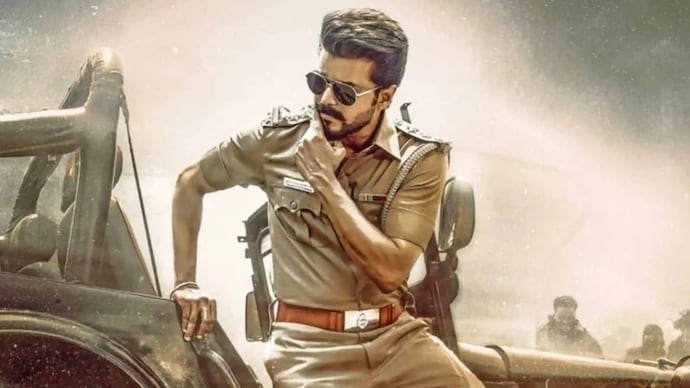
Vijay's farewell film, Jana Nayagan, has given fans everything they wanted — the punch dialogues, the mass entry, the 33-year victory lap. But somewhere in the middle of Jana Nayagan, director H Vinoth stages a sequence that has nothing to do with celebration and everything to do with spectacle: a child is abducted, raped, and her body is thrown out of a moving car, naked, onto the street.
In Jana Nayagan, actor Raichal Rebecca's Porkodi is mourning the death of her husband, who died of consuming illicit liquor. She sits on a hunger strike and stages a protest against the system that doesn't take accountability. Porkodi's fight is not invented out of thin air. Tamil Nadu's illicit liquor deaths are real and have made headlines in the past.
The politician, desperate to break Porkodi's protest, orders his men to abduct her daughter, sexually assault her and kill her. The impulse to depict sexual violence isn't the problem. The problem is what the camera chooses to linger on, and what it chooses to look away from.
Ask yourself this: in that entire sequence, how much time do we spend with the men who commit the crime? And how much time do we spend on Porkodi's grief — her hands closing over her daughter's bloodied, naked body, her wail, her collapse? The entire sequence runs for hardly 15 minutes. But, Vinoth doesn't stage an act of violence here. He stages an act of viewing. The child's abused body becomes the visual proof of the politician's cruelty, and Porkodi's devastation becomes the emotional currency the film cashes in so Thalapathy can have his hero moment later. Her suffering isn't the subject. It's the setup.
It ends with Thalapathy announcing that he'd be an ally to women – one of his election promises that was cleverly incorporated in the film that is all about Vijay, the leader.
This isn't new, and that's exactly the point. Director Vetri Maaran did it with Vada Chennai's prison sequences and got away relatively clean because the violence there was framed as systemic brutality, not titillating shock. But Ameer's Paruthiveeran, Vijay Sethupathi's Maharaja, Rajinikanth's Vettaiyan — all of them (and more) have, at some point, reached for the same portrayal: put the assault on screen in enough detail that the audience gasps, get triggered and call it social commentary.
Jana Nayagan doesn't extend its own child character that same mercy.
And here's the part that should really make you uncomfortable. After the child is dead, thrown onto the road, Prakash Raj's Roja Rangaswamy doesn't just gloat — he reduces her death to a passing comment about his son's gratification: "If she had co-operated, she would have been alive by now." The film wants you to hate him for this line. Fair enough. But it also needs you to hear the line in full, in detail, spoken almost casually, before it hands you the moment where Thalapathy is stabbing the son. The girl's rape and murder exist, narratively, to manufacture your appetite for revenge. That's not restraint. That's a director calculating exactly how much horror it takes to make an audience cheer for a stabbing twenty minutes later.
So what would restraint actually look like? It looks like keeping the assault off-screen and letting its consequences do the storytelling — a torn uniform, a silence, a mother's face before we see what she's looking at. It looks like giving Porkodi's daughter some dignity before she becomes a lifeless body we're shown. It looks like a camera that stays on the men giving the orders for once, so the discomfort sits with the perpetrators and not with the audience's memory of a child's exposed body blurred by the Central Board of Film certification (CBFC).
The sequence could have conveyed the same outrage without graphically depicting the child's body. The audience would still have understood the enormity of the crime. In fact, it may have been even more powerful because the focus would have remained on the violence committed, not on the victim's body.
Sexual violence is not a spectacle. It is not an elevation point for the hero. It is not something that needs to be made more graphic to prove how evil a villain is.
2026 should still not be the year Tamil cinema needs this explained to it. The question is no longer whether cinema should portray sexual violence. It absolutely can, and sometimes it must. The question is how it chooses to portray it.
Because the camera always makes a choice.
And for far too long, that choice has been to stay with the woman who suffers, instead of the men who commit the crime. That is precisely what Jana Nayagan gets wrong. It had a real, urgent story to tell about power and justice. It just didn't need a naked, bloodied child thrown from a car to tell it. It needed the courage to trust the audience with less, and still make them feel everything.
Vijay's farewell film, Jana Nayagan, has given fans everything they wanted — the punch dialogues, the mass entry, the 33-year victory lap. But somewhere in the middle of Jana Nayagan, director H Vinoth stages a sequence that has nothing to do with celebration and everything to do with spectacle: a child is abducted, raped, and her body is thrown out of a moving car, naked, onto the street.
In Jana Nayagan, actor Raichal Rebecca's Porkodi is mourning the death of her husband, who died of consuming illicit liquor. She sits on a hunger strike and stages a protest against the system that doesn't take accountability. Porkodi's fight is not invented out of thin air. Tamil Nadu's illicit liquor deaths are real and have made headlines in the past.
The politician, desperate to break Porkodi's protest, orders his men to abduct her daughter, sexually assault her and kill her. The impulse to depict sexual violence isn't the problem. The problem is what the camera chooses to linger on, and what it chooses to look away from.
Ask yourself this: in that entire sequence, how much time do we spend with the men who commit the crime? And how much time do we spend on Porkodi's grief — her hands closing over her daughter's bloodied, naked body, her wail, her collapse? The entire sequence runs for hardly 15 minutes. But, Vinoth doesn't stage an act of violence here. He stages an act of viewing. The child's abused body becomes the visual proof of the politician's cruelty, and Porkodi's devastation becomes the emotional currency the film cashes in so Thalapathy can have his hero moment later. Her suffering isn't the subject. It's the setup.
It ends with Thalapathy announcing that he'd be an ally to women – one of his election promises that was cleverly incorporated in the film that is all about Vijay, the leader.
This isn't new, and that's exactly the point. Director Vetri Maaran did it with Vada Chennai's prison sequences and got away relatively clean because the violence there was framed as systemic brutality, not titillating shock. But Ameer's Paruthiveeran, Vijay Sethupathi's Maharaja, Rajinikanth's Vettaiyan — all of them (and more) have, at some point, reached for the same portrayal: put the assault on screen in enough detail that the audience gasps, get triggered and call it social commentary.
Jana Nayagan doesn't extend its own child character that same mercy.
And here's the part that should really make you uncomfortable. After the child is dead, thrown onto the road, Prakash Raj's Roja Rangaswamy doesn't just gloat — he reduces her death to a passing comment about his son's gratification: "If she had co-operated, she would have been alive by now." The film wants you to hate him for this line. Fair enough. But it also needs you to hear the line in full, in detail, spoken almost casually, before it hands you the moment where Thalapathy is stabbing the son. The girl's rape and murder exist, narratively, to manufacture your appetite for revenge. That's not restraint. That's a director calculating exactly how much horror it takes to make an audience cheer for a stabbing twenty minutes later.
So what would restraint actually look like? It looks like keeping the assault off-screen and letting its consequences do the storytelling — a torn uniform, a silence, a mother's face before we see what she's looking at. It looks like giving Porkodi's daughter some dignity before she becomes a lifeless body we're shown. It looks like a camera that stays on the men giving the orders for once, so the discomfort sits with the perpetrators and not with the audience's memory of a child's exposed body blurred by the Central Board of Film certification (CBFC).
The sequence could have conveyed the same outrage without graphically depicting the child's body. The audience would still have understood the enormity of the crime. In fact, it may have been even more powerful because the focus would have remained on the violence committed, not on the victim's body.
Sexual violence is not a spectacle. It is not an elevation point for the hero. It is not something that needs to be made more graphic to prove how evil a villain is.
2026 should still not be the year Tamil cinema needs this explained to it. The question is no longer whether cinema should portray sexual violence. It absolutely can, and sometimes it must. The question is how it chooses to portray it.
Because the camera always makes a choice.
And for far too long, that choice has been to stay with the woman who suffers, instead of the men who commit the crime. That is precisely what Jana Nayagan gets wrong. It had a real, urgent story to tell about power and justice. It just didn't need a naked, bloodied child thrown from a car to tell it. It needed the courage to trust the audience with less, and still make them feel everything.
Vijay's farewell film, Jana Nayagan, has given fans everything they wanted — the punch dialogues, the mass entry, the 33-year victory lap. But somewhere in the middle of Jana Nayagan, director H Vinoth stages a sequence that has nothing to do with celebration and everything to do with spectacle: a child is abducted, raped, and her body is thrown out of a moving car, naked, onto the street.
In Jana Nayagan, actor Raichal Rebecca's Porkodi is mourning the death of her husband, who died of consuming illicit liquor. She sits on a hunger strike and stages a protest against the system that doesn't take accountability. Porkodi's fight is not invented out of thin air. Tamil Nadu's illicit liquor deaths are real and have made headlines in the past.
The politician, desperate to break Porkodi's protest, orders his men to abduct her daughter, sexually assault her and kill her. The impulse to depict sexual violence isn't the problem. The problem is what the camera chooses to linger on, and what it chooses to look away from.
Ask yourself this: in that entire sequence, how much time do we spend with the men who commit the crime? And how much time do we spend on Porkodi's grief — her hands closing over her daughter's bloodied, naked body, her wail, her collapse? The entire sequence runs for hardly 15 minutes. But, Vinoth doesn't stage an act of violence here. He stages an act of viewing. The child's abused body becomes the visual proof of the politician's cruelty, and Porkodi's devastation becomes the emotional currency the film cashes in so Thalapathy can have his hero moment later. Her suffering isn't the subject. It's the setup.
It ends with Thalapathy announcing that he'd be an ally to women – one of his election promises that was cleverly incorporated in the film that is all about Vijay, the leader.
This isn't new, and that's exactly the point. Director Vetri Maaran did it with Vada Chennai's prison sequences and got away relatively clean because the violence there was framed as systemic brutality, not titillating shock. But Ameer's Paruthiveeran, Vijay Sethupathi's Maharaja, Rajinikanth's Vettaiyan — all of them (and more) have, at some point, reached for the same portrayal: put the assault on screen in enough detail that the audience gasps, get triggered and call it social commentary.
Jana Nayagan doesn't extend its own child character that same mercy.
And here's the part that should really make you uncomfortable. After the child is dead, thrown onto the road, Prakash Raj's Roja Rangaswamy doesn't just gloat — he reduces her death to a passing comment about his son's gratification: "If she had co-operated, she would have been alive by now." The film wants you to hate him for this line. Fair enough. But it also needs you to hear the line in full, in detail, spoken almost casually, before it hands you the moment where Thalapathy is stabbing the son. The girl's rape and murder exist, narratively, to manufacture your appetite for revenge. That's not restraint. That's a director calculating exactly how much horror it takes to make an audience cheer for a stabbing twenty minutes later.
So what would restraint actually look like? It looks like keeping the assault off-screen and letting its consequences do the storytelling — a torn uniform, a silence, a mother's face before we see what she's looking at. It looks like giving Porkodi's daughter some dignity before she becomes a lifeless body we're shown. It looks like a camera that stays on the men giving the orders for once, so the discomfort sits with the perpetrators and not with the audience's memory of a child's exposed body blurred by the Central Board of Film certification (CBFC).
The sequence could have conveyed the same outrage without graphically depicting the child's body. The audience would still have understood the enormity of the crime. In fact, it may have been even more powerful because the focus would have remained on the violence committed, not on the victim's body.
Sexual violence is not a spectacle. It is not an elevation point for the hero. It is not something that needs to be made more graphic to prove how evil a villain is.
2026 should still not be the year Tamil cinema needs this explained to it. The question is no longer whether cinema should portray sexual violence. It absolutely can, and sometimes it must. The question is how it chooses to portray it.
Because the camera always makes a choice.
And for far too long, that choice has been to stay with the woman who suffers, instead of the men who commit the crime. That is precisely what Jana Nayagan gets wrong. It had a real, urgent story to tell about power and justice. It just didn't need a naked, bloodied child thrown from a car to tell it. It needed the courage to trust the audience with less, and still make them feel everything.

