Israel to hold polls on October 27 as Netanyahu prepares to face voters amid wars
The upcoming election on October 27 will be the first to be held on schedule in Israel since 1988. The election is also significant as the Netanyahu-led government will become the first to complete a full four-year term in over 50 years.
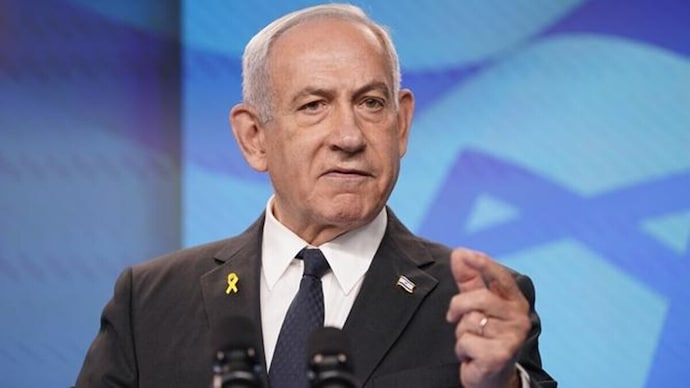
Israel will go to polls on October 27 as the Benjamin Netanyahu-led government completes its full four-year term in office, Israeli media reports said on Sunday.
According to Times of Israel, Ofir Katz, a key member of the ruling Likud party, announced that Israel's next general election will be held on October 27, the date set by law, as the current Knesset completes its full four-year term on July 17.
The announcement is significant as the upcoming election will be the first to be held on schedule in Israel since 1988. The report also noted that the Netanyahu-led government will become the first to complete a full four-year term in over 50 years.
The decision to hold the elections on this date was made after the coalition requested that the elections take place as originally scheduled.
Importantly, the Knesset is set to begin its election recess on July 17, the day the Israeli Parliament completes it full term. Meanwhile, candidate lists for the elections will close on September 7, said Israeli media reports.
NETANYAHU'S TOUGHEST ELECTION YET
Political analysts believe Netanyahu could be facing the toughest election battle of his four-decade-long political career.
Voters are expected to judge him over the October 7, 2023 security failures, his government's handling of the wars in Gaza and Lebanon, and the strain on Israel's ties with the US amid the conflict with Iran.
His image as a hawk has taken a hit due to military setbacks, rising casualties and the lack of a clear endgame in the conflicts. At the same time, corruption allegations and domestic political controversies continue to weigh on his political standing.
Recent US-led efforts to wind down regional conflicts have further complicated Netanyahu's attempt to maintain his image as a strongman focused on security.
WHAT OPINION POLLS SAY
According to a Channel 12 News poll published last week, the Likud party led by Benjamin Netanyahu and the Yashar party led by Gadi Eisenkot were tied as Israel's two largest parties, with 23 seats each.
A party needs 61 seats in the 120-member Parliament to form a government.
Another poll, published by Channel 13 on Wednesday, projected that Eisenkot's party would emerge as the largest party in the next Knesset.
However, the poll also pointed to the possibility of a hung parliament, with the opposition bloc falling short of the 61-seat majority required to form a government.
HOW DOES ISRAEL VOTE?
Israel has an electoral system based on nationwide proportional representation. In other words, the number of seats that each party receives in the Knesset is proportional to the number of votes it receives.
Unlike India, where voters elect individual candidates from constituencies under the first-past-the-post system, Israeli voters cast their ballots for political parties, with seats allocated based on their share of the overall vote.
A party must secure at least 3.25 per cent of the national vote to enter the Knesset and win representation.
2022 ISRAEL POLLS: A SNAPSHOT
After the previous government led by Yair Lapid lost its majority, Israel held snap elections in November 2022. The polls resulted in a victory for Netanyahu's bloc, which secured enough seats to form a majority government.
A coalition comprising Likud, Otzma Yehudit, Noam, the Religious Zionist Party, United Torah Judaism and Shas was subsequently formed and sworn in on December 29, 2022.
Political observers in Israel have described the government formed in 2022 as the country's most right-wing and religiously conservative administration to date.
Israel will go to polls on October 27 as the Benjamin Netanyahu-led government completes its full four-year term in office, Israeli media reports said on Sunday.
According to Times of Israel, Ofir Katz, a key member of the ruling Likud party, announced that Israel's next general election will be held on October 27, the date set by law, as the current Knesset completes its full four-year term on July 17.
The announcement is significant as the upcoming election will be the first to be held on schedule in Israel since 1988. The report also noted that the Netanyahu-led government will become the first to complete a full four-year term in over 50 years.
The decision to hold the elections on this date was made after the coalition requested that the elections take place as originally scheduled.
Importantly, the Knesset is set to begin its election recess on July 17, the day the Israeli Parliament completes it full term. Meanwhile, candidate lists for the elections will close on September 7, said Israeli media reports.
NETANYAHU'S TOUGHEST ELECTION YET
Political analysts believe Netanyahu could be facing the toughest election battle of his four-decade-long political career.
Voters are expected to judge him over the October 7, 2023 security failures, his government's handling of the wars in Gaza and Lebanon, and the strain on Israel's ties with the US amid the conflict with Iran.
His image as a hawk has taken a hit due to military setbacks, rising casualties and the lack of a clear endgame in the conflicts. At the same time, corruption allegations and domestic political controversies continue to weigh on his political standing.
Recent US-led efforts to wind down regional conflicts have further complicated Netanyahu's attempt to maintain his image as a strongman focused on security.
WHAT OPINION POLLS SAY
According to a Channel 12 News poll published last week, the Likud party led by Benjamin Netanyahu and the Yashar party led by Gadi Eisenkot were tied as Israel's two largest parties, with 23 seats each.
A party needs 61 seats in the 120-member Parliament to form a government.
Another poll, published by Channel 13 on Wednesday, projected that Eisenkot's party would emerge as the largest party in the next Knesset.
However, the poll also pointed to the possibility of a hung parliament, with the opposition bloc falling short of the 61-seat majority required to form a government.
HOW DOES ISRAEL VOTE?
Israel has an electoral system based on nationwide proportional representation. In other words, the number of seats that each party receives in the Knesset is proportional to the number of votes it receives.
Unlike India, where voters elect individual candidates from constituencies under the first-past-the-post system, Israeli voters cast their ballots for political parties, with seats allocated based on their share of the overall vote.
A party must secure at least 3.25 per cent of the national vote to enter the Knesset and win representation.
2022 ISRAEL POLLS: A SNAPSHOT
After the previous government led by Yair Lapid lost its majority, Israel held snap elections in November 2022. The polls resulted in a victory for Netanyahu's bloc, which secured enough seats to form a majority government.
A coalition comprising Likud, Otzma Yehudit, Noam, the Religious Zionist Party, United Torah Judaism and Shas was subsequently formed and sworn in on December 29, 2022.
Political observers in Israel have described the government formed in 2022 as the country's most right-wing and religiously conservative administration to date.

