
Is Delhi-NCR's peak pollution over? Shift in wind speed to help city breathe

After Delhi's AQI climbed close to 500 on November 19, a change in wind patterns could improve daytime air quality through the rest of the month.
 Last UpdatedNov 20, 2026 10:03 IST
 Published by
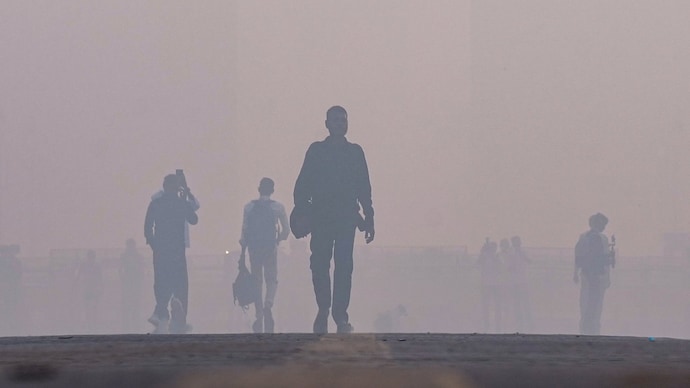
Delhi-NCR may have moved past the worst of its peak pollution season, with changing wind patterns and stronger afternoon gusts expected to improve air quality for the rest of November.
Easterly winds expected over the weekend should help disperse pollutants, followed by northwesterly winds with stronger afternoon gusts next week, a meteorologist said Thursday.
The shift is expected to improve ventilation across the region and prevent pollutants from accumulating close to the ground.
While late-night and early-morning AQI spikes may persist, daytime readings are likely to remain largely between 90 and 200, according to Navdeep Dahiya, an independent meteorologist.
“It should not turn that hazardous from here on,” he said.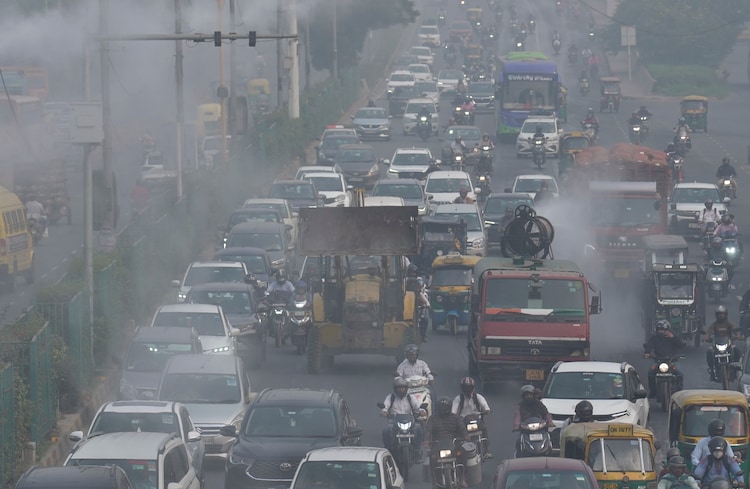
HOW CHANGING WINDS ARE HELPING DELHI BREATHE
Calm surface winds in recent days had allowed pollutants to accumulate near the ground, worsening the impact of local emissions and biomass burning.
Low wind speeds slow down the dispersal of pollutants, allowing concentrations to build up, particularly during the night and early morning.
The expected change in wind direction and stronger afternoon gusts should improve the movement of air across the region, helping disperse accumulated pollution.
However, the improvement may not be uniform throughout the day as weaker winds overnight and in the early morning could still trigger temporary pollution spikes.
The meteorological outlook suggests daytime air quality could remain more manageable until the end of November, although pollution is unlikely to disappear entirely.
DELHI'S AQI HAD REBOUNDED
The forecast comes after a noticeable rebound in pollution just days after authorities in the national capital revoked pollution control measures.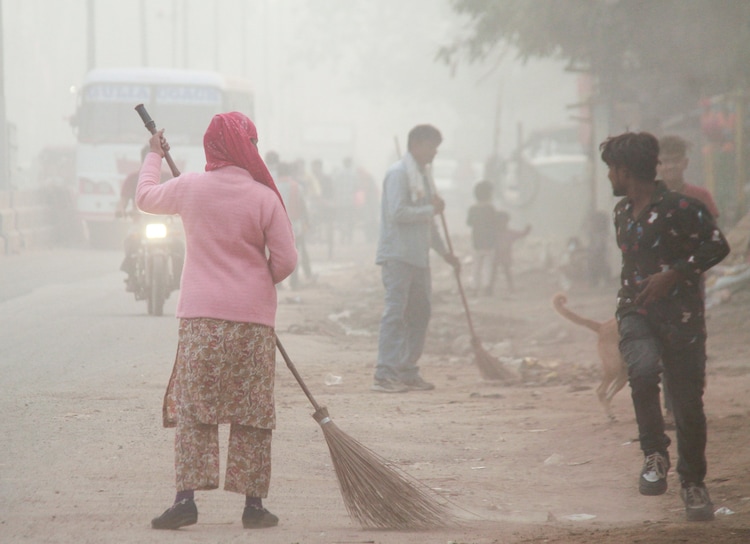
Two days after the Commission for Air Quality Management (CAQM) revoked Stage III of the Graded Response Action Plan (GRAP) on November 17, Delhi’s AQI climbed close to 500 again, according to AQI.in.
The air quality index touched 502 at 8:30 am on November 19 and hovered near the 500 mark later that morning. Meanwhile, PM10 concentrations were around 10 times the World Health Organisation’s safe limit.
Delhi’s average daily AQI rose from 276 on November 17, when Stage III was lifted, to 340 on November 18. GRAP Stages I and II remained in force.
As wind shifts in the coming days, AQI could possibly drop in the coming days, bringing clean air for millions in Delhi-NCR.