Old vs new tax regime: Which one will help you save more tax?
Before you click 'Submit' on your ITR, make sure you've chosen the right tax regime. A few minutes spent comparing the old and new regimes could translate into substantial tax savings.
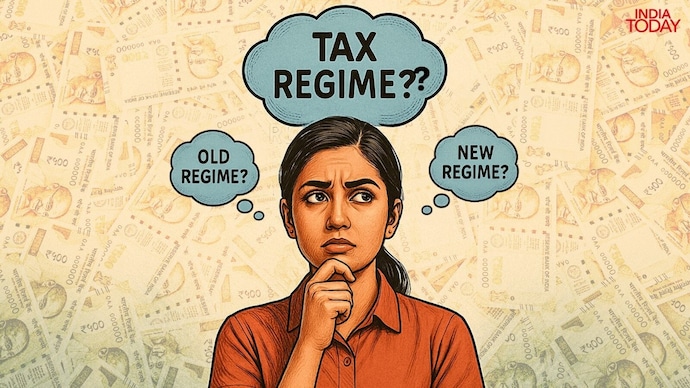
Every tax filing season, one question leaves many taxpayers scratching their heads: Should I stick with the old tax regime or switch to the new one?
At first glance, the new tax regime looks like an obvious winner. It offers lower tax rates and fewer calculations. But that doesn't automatically mean you'll pay less tax. In fact, for many taxpayers, choosing the wrong regime could mean paying thousands of rupees more than necessary.
The truth is, there is no one-size-fits-all answer. The better option depends entirely on your income, salary structure, deductions and financial commitments. Here's how you can make the right choice before filing your Income Tax Return (ITR) for AY 2026-27.
THE BIGGEST MISTAKE TAXPAYERS MAKE
One of the most common mistakes is assuming that one regime is universally better than the other.
According to Adhil Shetty, CEO, BankBazaar, taxpayers often make their decisions based on assumptions rather than calculations.
"The biggest mistake is choosing a tax regime without comparing the actual tax liability under both options. Many taxpayers assume the new regime is automatically better because of its lower tax rates, while others continue with the old one out of habit. Spending a few minutes comparing both regimes using your own numbers can help you avoid paying more tax than necessary."
In other words, don't let headlines or advice from friends decide your taxes. Your own financial situation should.
IS THERE A SIMPLE RULE TO DECIDE?
Many taxpayers look for a quick formula that tells them which regime is better. Unfortunately, there isn't one.
Broadly speaking, if you don't claim many deductions, the new regime could work in your favour because of its lower tax rates and simpler structure.
However, if you regularly claim deductions through investments, insurance or a home loan, the old regime may still help you save more.
Shetty explains, "Someone without a home loan, HRA exemption or major tax-saving investments may find the new regime more suitable because of its lower tax rates. On the other hand, taxpayers claiming multiple deductions under the old regime could continue to benefit from it."
FORGET THE 'MAGIC DEDUCTION' NUMBER
Many people ask whether there's a fixed amount of deductions that automatically makes the old regime more rewarding.
Experts say there isn't.
That's because your salary structure matters just as much as your income. Two employees earning exactly the same salary can end up paying different amounts of tax.
According to Shetty, "There isn't a fixed level of deductions at which the old regime becomes better because the breakeven changes with your income and salary structure. The breakeven is personal, not universal."
This means online thumb rules should only be treated as rough guidance, not as the final answer.
WHO SHOULD CHOOSE THE NEW REGIME?
The new regime is generally designed for taxpayers who prefer simplicity and don't claim many tax deductions.
Young professionals who have recently started working, don't have a home loan and haven't made significant tax-saving investments may find it more beneficial.
The lower tax rates reduce paperwork and make tax filing relatively straightforward.
WHO MAY STILL BENEFIT FROM THE OLD REGIME?
The old regime continues to reward taxpayers who actively invest to save tax.
If you claim deductions for home loan interest, House Rent Allowance (HRA), health insurance premiums or investments under Section 80C, staying with the old regime could still result in lower tax.
As Shetty points out, "The old regime may continue to work better for those claiming deductions through home loan interest, HRA, health insurance or Section 80C investments."
WHAT DO YOU GIVE UP UNDER THE NEW REGIME?
While the new regime offers lower tax rates, it also asks taxpayers to give up several popular deductions and exemptions.
These include deductions under Section 80C, home loan interest under Section 24(b), health insurance under Section 80D, HRA exemption and the additional National Pension System (NPS) deduction under Section 80CCD(1B).
According to Shetty, "For someone paying home loan EMIs while investing regularly in PPF or ELSS, these benefits can materially reduce tax liability under the old regime."
This is why taxpayers should compare the value of the deductions they are giving up before deciding to switch.
HOW SHOULD YOU COMPARE BOTH REGIMES?
Experts recommend spending a few minutes doing a side-by-side comparison before filing your return.
Start by calculating your total income. Then list all the deductions and exemptions you are eligible to claim under the old regime. Finally, calculate your tax under both regimes using the same income figures.
Shetty advises taxpayers to use the Income Tax Department's official tax calculator and compare the results with other reliable online calculators.
"A comparison based on your actual income and deductions is far more reliable than relying on broad thumb rules."
DON'T ASSUME LOWER TAX RATES MEAN LOWER TAXES
One of the biggest myths surrounding the new regime is that lower tax rates automatically translate into lower tax liability.
That isn't always true.
Two taxpayers earning the same salary may pay completely different taxes if one has a home loan, claims HRA and invests under Section 80C, while the other does not.
As Shetty puts it, "Lower tax rates do not automatically mean a lower tax bill. The only reliable way to decide is to compare both regimes using your own numbers."
Simply put, there is no universally 'best' tax regime.
The new regime offers simplicity and lower tax rates, making it attractive for taxpayers with fewer deductions. The old regime, meanwhile, continues to reward those who claim deductions through investments, insurance, rent or home loans.
Before filing your ITR, gather your salary slips, investment proofs, rent receipts, insurance premium receipts and home loan statements. Spend a few minutes comparing your tax liability under both regimes instead of relying on assumptions.
As Adhil Shetty sums up, "Don't choose a tax regime out of habit or because someone else recommends it. Let your actual numbers, not assumptions, determine which regime is right for you."
In the end, the regime that helps you save the most is not the one with the lowest tax rates, it's the one that best fits your financial profile.
Every tax filing season, one question leaves many taxpayers scratching their heads: Should I stick with the old tax regime or switch to the new one?
At first glance, the new tax regime looks like an obvious winner. It offers lower tax rates and fewer calculations. But that doesn't automatically mean you'll pay less tax. In fact, for many taxpayers, choosing the wrong regime could mean paying thousands of rupees more than necessary.
The truth is, there is no one-size-fits-all answer. The better option depends entirely on your income, salary structure, deductions and financial commitments. Here's how you can make the right choice before filing your Income Tax Return (ITR) for AY 2026-27.
THE BIGGEST MISTAKE TAXPAYERS MAKE
One of the most common mistakes is assuming that one regime is universally better than the other.
According to Adhil Shetty, CEO, BankBazaar, taxpayers often make their decisions based on assumptions rather than calculations.
"The biggest mistake is choosing a tax regime without comparing the actual tax liability under both options. Many taxpayers assume the new regime is automatically better because of its lower tax rates, while others continue with the old one out of habit. Spending a few minutes comparing both regimes using your own numbers can help you avoid paying more tax than necessary."
In other words, don't let headlines or advice from friends decide your taxes. Your own financial situation should.
IS THERE A SIMPLE RULE TO DECIDE?
Many taxpayers look for a quick formula that tells them which regime is better. Unfortunately, there isn't one.
Broadly speaking, if you don't claim many deductions, the new regime could work in your favour because of its lower tax rates and simpler structure.
However, if you regularly claim deductions through investments, insurance or a home loan, the old regime may still help you save more.
Shetty explains, "Someone without a home loan, HRA exemption or major tax-saving investments may find the new regime more suitable because of its lower tax rates. On the other hand, taxpayers claiming multiple deductions under the old regime could continue to benefit from it."
FORGET THE 'MAGIC DEDUCTION' NUMBER
Many people ask whether there's a fixed amount of deductions that automatically makes the old regime more rewarding.
Experts say there isn't.
That's because your salary structure matters just as much as your income. Two employees earning exactly the same salary can end up paying different amounts of tax.
According to Shetty, "There isn't a fixed level of deductions at which the old regime becomes better because the breakeven changes with your income and salary structure. The breakeven is personal, not universal."
This means online thumb rules should only be treated as rough guidance, not as the final answer.
WHO SHOULD CHOOSE THE NEW REGIME?
The new regime is generally designed for taxpayers who prefer simplicity and don't claim many tax deductions.
Young professionals who have recently started working, don't have a home loan and haven't made significant tax-saving investments may find it more beneficial.
The lower tax rates reduce paperwork and make tax filing relatively straightforward.
WHO MAY STILL BENEFIT FROM THE OLD REGIME?
The old regime continues to reward taxpayers who actively invest to save tax.
If you claim deductions for home loan interest, House Rent Allowance (HRA), health insurance premiums or investments under Section 80C, staying with the old regime could still result in lower tax.
As Shetty points out, "The old regime may continue to work better for those claiming deductions through home loan interest, HRA, health insurance or Section 80C investments."
WHAT DO YOU GIVE UP UNDER THE NEW REGIME?
While the new regime offers lower tax rates, it also asks taxpayers to give up several popular deductions and exemptions.
These include deductions under Section 80C, home loan interest under Section 24(b), health insurance under Section 80D, HRA exemption and the additional National Pension System (NPS) deduction under Section 80CCD(1B).
According to Shetty, "For someone paying home loan EMIs while investing regularly in PPF or ELSS, these benefits can materially reduce tax liability under the old regime."
This is why taxpayers should compare the value of the deductions they are giving up before deciding to switch.
HOW SHOULD YOU COMPARE BOTH REGIMES?
Experts recommend spending a few minutes doing a side-by-side comparison before filing your return.
Start by calculating your total income. Then list all the deductions and exemptions you are eligible to claim under the old regime. Finally, calculate your tax under both regimes using the same income figures.
Shetty advises taxpayers to use the Income Tax Department's official tax calculator and compare the results with other reliable online calculators.
"A comparison based on your actual income and deductions is far more reliable than relying on broad thumb rules."
DON'T ASSUME LOWER TAX RATES MEAN LOWER TAXES
One of the biggest myths surrounding the new regime is that lower tax rates automatically translate into lower tax liability.
That isn't always true.
Two taxpayers earning the same salary may pay completely different taxes if one has a home loan, claims HRA and invests under Section 80C, while the other does not.
As Shetty puts it, "Lower tax rates do not automatically mean a lower tax bill. The only reliable way to decide is to compare both regimes using your own numbers."
Simply put, there is no universally 'best' tax regime.
The new regime offers simplicity and lower tax rates, making it attractive for taxpayers with fewer deductions. The old regime, meanwhile, continues to reward those who claim deductions through investments, insurance, rent or home loans.
Before filing your ITR, gather your salary slips, investment proofs, rent receipts, insurance premium receipts and home loan statements. Spend a few minutes comparing your tax liability under both regimes instead of relying on assumptions.
As Adhil Shetty sums up, "Don't choose a tax regime out of habit or because someone else recommends it. Let your actual numbers, not assumptions, determine which regime is right for you."
In the end, the regime that helps you save the most is not the one with the lowest tax rates, it's the one that best fits your financial profile.

