Hours after SC's backing, Election Commission appoints more observers for Bengal
These additional observers, appointed under Article 324 of the Constitution of India and Section 20B of the Representation of the People Act, 1951, would ensure that the counting proceedings are conducted in a secure, peaceful, fear-free, and transparent environment.
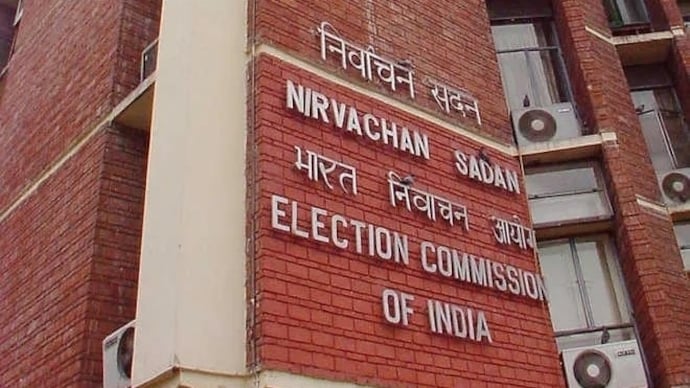


Hours after the Supreme Court backed the Election Commission of India's decision to appoint only central government and Public Sector Undertaking (PSU) employees as counting supervisors and assistants for the counting of votes in West Bengal on May 4, the poll body finalised the deployment of additional counting observers and police observers in the state.
The Election Commission on Saturday announced the deployment of 165 additional counting observers and 77 police observers to assist the regular counting observers.
These additional observers, appointed under Article 324 of the Constitution of India and Section 20B of the Representation of the People Act, 1951, would ensure that the counting proceedings are conducted in a secure, peaceful, fear-free, and transparent environment.
In 165 Assembly constituencies, where there is more than one counting hall, additional counting observers would assist the regular counting observers.
On the other hand, police observers would monitor the law and order situation around their designated counting centres and ensure that the security arrangements are in accordance with the Election Commission's directives. However, on the day of counting, police observers are not permitted to enter the counting hall.
Earlier in the day, a special two-judge bench of Justices PS Narasimha and Joymalya Bagchi observed that the Election Commission has the right to choose its own officers and that the circular appointing central government employees could not be struck down on those grounds.
"All these employees, in exercise of their duty, are under the control of the Election Commission, so it doesn’t matter if they are central or state government employees," the court observed.
The court said no further directions were required beyond recording the Election Commission's counsel's statement that the circular would be implemented in "full letter and spirit".
The TMC had moved the apex court on Friday seeking the appointment of state government nominees as counting supervisors, alleging this was being denied. The party argued that central government employees could be influenced by the ruling party at the Centre, affecting the level playing field during counting of votes.
Hours after the Supreme Court backed the Election Commission of India's decision to appoint only central government and Public Sector Undertaking (PSU) employees as counting supervisors and assistants for the counting of votes in West Bengal on May 4, the poll body finalised the deployment of additional counting observers and police observers in the state.
The Election Commission on Saturday announced the deployment of 165 additional counting observers and 77 police observers to assist the regular counting observers.
These additional observers, appointed under Article 324 of the Constitution of India and Section 20B of the Representation of the People Act, 1951, would ensure that the counting proceedings are conducted in a secure, peaceful, fear-free, and transparent environment.
In 165 Assembly constituencies, where there is more than one counting hall, additional counting observers would assist the regular counting observers.
On the other hand, police observers would monitor the law and order situation around their designated counting centres and ensure that the security arrangements are in accordance with the Election Commission's directives. However, on the day of counting, police observers are not permitted to enter the counting hall.
Earlier in the day, a special two-judge bench of Justices PS Narasimha and Joymalya Bagchi observed that the Election Commission has the right to choose its own officers and that the circular appointing central government employees could not be struck down on those grounds.
"All these employees, in exercise of their duty, are under the control of the Election Commission, so it doesn’t matter if they are central or state government employees," the court observed.
The court said no further directions were required beyond recording the Election Commission's counsel's statement that the circular would be implemented in "full letter and spirit".
The TMC had moved the apex court on Friday seeking the appointment of state government nominees as counting supervisors, alleging this was being denied. The party argued that central government employees could be influenced by the ruling party at the Centre, affecting the level playing field during counting of votes.
Hours after the Supreme Court backed the Election Commission of India's decision to appoint only central government and Public Sector Undertaking (PSU) employees as counting supervisors and assistants for the counting of votes in West Bengal on May 4, the poll body finalised the deployment of additional counting observers and police observers in the state.
The Election Commission on Saturday announced the deployment of 165 additional counting observers and 77 police observers to assist the regular counting observers.
These additional observers, appointed under Article 324 of the Constitution of India and Section 20B of the Representation of the People Act, 1951, would ensure that the counting proceedings are conducted in a secure, peaceful, fear-free, and transparent environment.
In 165 Assembly constituencies, where there is more than one counting hall, additional counting observers would assist the regular counting observers.
On the other hand, police observers would monitor the law and order situation around their designated counting centres and ensure that the security arrangements are in accordance with the Election Commission's directives. However, on the day of counting, police observers are not permitted to enter the counting hall.
Earlier in the day, a special two-judge bench of Justices PS Narasimha and Joymalya Bagchi observed that the Election Commission has the right to choose its own officers and that the circular appointing central government employees could not be struck down on those grounds.
"All these employees, in exercise of their duty, are under the control of the Election Commission, so it doesn’t matter if they are central or state government employees," the court observed.
The court said no further directions were required beyond recording the Election Commission's counsel's statement that the circular would be implemented in "full letter and spirit".
The TMC had moved the apex court on Friday seeking the appointment of state government nominees as counting supervisors, alleging this was being denied. The party argued that central government employees could be influenced by the ruling party at the Centre, affecting the level playing field during counting of votes.

