E20 concerns drive sharp rise in premium petrol demand at Delhi pumps
Demand for premium petrol such as XP95, XP100 and Speed 97 is rising sharply as owners of older petrol vehicles look for alternatives amid concerns over the impact of E20 fuel on mileage and long-term engine health.
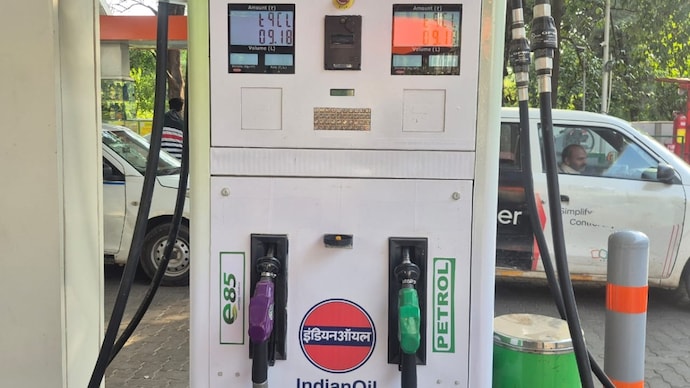
Demand for premium petrol such as XP95, XP100 and Speed 97 is rising sharply as owners of older petrol vehicles look for alternatives amid concerns over the impact of E20 fuel on mileage and long-term vehicle health.
Premium petrol sales witness sharp jump
Demand for premium petrol variants is witnessing a sharp surge across Delhi as a growing number of motorists, particularly owners of older petrol vehicles, shift towards high-octane fuels amid persistent concerns surrounding E20 petrol.
According to sources, sales of premium petrol have nearly doubled at several retail fuel stations in the national capital, while outlets located in affluent neighbourhoods have reported demand increasing by as much as five times.
Consumers are increasingly opting for premium fuel variants such as IndianOil's XP95 and XP100, Bharat Petroleum's Speed 97 and similar offerings from other oil marketing companies. The shift is particularly noteworthy because these fuels differ in their ethanol content. XP100 is completely ethanol-free, making it the only widely available petrol variant in India without ethanol blending. In comparison, XP95 contains around 20% ethanol, similar to regular E20 petrol, while Speed 97 also contains ethanol.
At one Delhi retail outlet, daily sales of XP95 have increased from around 1,000 litres to between 1,500 and 1,700 litres. Demand for XP100 has witnessed an even sharper rise, jumping from roughly 100 litres a day to nearly 500 litres, according to industry sources.
The sharp increase in XP100 sales suggests that a section of consumers is specifically seeking ethanol-free petrol despite its significantly higher price.
Although XP100 is completely ethanol-free, its limited availability means motorists often struggle to find a fuel station that stocks it.
Why are consumers avoiding regular petrol?
The growing preference for premium fuels comes against the backdrop of India's nationwide rollout of E20 petrol in April 2025. The government achieved its target of 20% ethanol blending several years ahead of schedule as part of its strategy to reduce crude oil imports, improve energy security, lower vehicular emissions and boost ethanol production from agricultural feedstock.
Although the government has consistently maintained that E20 petrol is safe for vehicles designed or approved for its use, many owners of older petrol cars and two-wheelers continue to express concerns over its long-term impact.
Many consumers believe ethanol-blended petrol has adversely affected fuel efficiency. Since ethanol contains less energy per litre than conventional petrol, motorists say they have experienced a noticeable drop in mileage following the nationwide transition.
Is E20 affecting older vehicles?
Apart from mileage concerns, ethanol's hygroscopic nature which enables it to absorb moisture has raised concerns about corrosion in fuel systems over prolonged use. Older rubber seals, hoses and gaskets, which were not originally designed for sustained exposure to higher ethanol concentrations, are also believed to be more susceptible to premature wear.
These concerns have prompted many owners of pre-2023 petrol vehicles to experiment with premium fuels, particularly ethanol-free XP100, in the hope of improving mileage or reducing potential long-term wear, even though the government maintains that E20 is safe for compatible vehicles.
What do consumer surveys reveal?
The concerns are reflected in a recent nationwide survey conducted by citizen engagement platform LocalCircles. Covering more than 44,000 owners of petrol vehicles manufactured before 2023 across 305 districts, the survey found that 66% of respondents reported a decline in fuel efficiency of over 10% since early 2025, up sharply from 45% in a similar survey conducted in May 2026.
The study also found that 55% of respondents experienced increased wear and tear or higher repair requirements, nearly doubling from 29% in the earlier survey.
In another LocalCircles survey involving 22,567 petrol vehicle owners across 316 districts, 53% rated the Road Transport and Petroleum ministries' handling of the E20 rollout as either "disastrous" or "ineffective". Among them, 42% described the rollout as "disastrous", while only 13% gave it a positive rating.
Why are fuel dealers raising concerns?
The Petroleum Dealers Association (PDA) recently urged the Centre to reconsider the nationwide rollout of E20 petrol, arguing that fuel station operators are increasingly facing customer backlash over alleged vehicle-related issues.
Speaking to ANI, PDA President Sasanka Sekhar Sahu said dealers have no role in determining the country's fuel policy but are often held responsible by customers experiencing mechanical problems.
"We are urging the government to reconsider the introduction of E20 fuel. Dealers are facing significant difficulties with the current E20 rollout," Sahu said.
He further alleged that customers have reported issues such as clogged carburettors and other mechanical problems after switching to E20 petrol, resulting in frequent confrontations at fuel stations.
With concerns over mileage, maintenance costs and long-term reliability continuing to dominate discussions among owners of older petrol vehicles, the surge in premium petrol sales indicates that many consumers are willing to pay significantly more for fuels they believe may offer better performance or greater peace of mind, even as the debate over E20 compatibility continues.
(With inputs from Aishwarya Patil)
Subscribe to Auto Today Magazine
Demand for premium petrol such as XP95, XP100 and Speed 97 is rising sharply as owners of older petrol vehicles look for alternatives amid concerns over the impact of E20 fuel on mileage and long-term vehicle health.
Premium petrol sales witness sharp jump
Demand for premium petrol variants is witnessing a sharp surge across Delhi as a growing number of motorists, particularly owners of older petrol vehicles, shift towards high-octane fuels amid persistent concerns surrounding E20 petrol.
According to sources, sales of premium petrol have nearly doubled at several retail fuel stations in the national capital, while outlets located in affluent neighbourhoods have reported demand increasing by as much as five times.
Consumers are increasingly opting for premium fuel variants such as IndianOil's XP95 and XP100, Bharat Petroleum's Speed 97 and similar offerings from other oil marketing companies. The shift is particularly noteworthy because these fuels differ in their ethanol content. XP100 is completely ethanol-free, making it the only widely available petrol variant in India without ethanol blending. In comparison, XP95 contains around 20% ethanol, similar to regular E20 petrol, while Speed 97 also contains ethanol.
At one Delhi retail outlet, daily sales of XP95 have increased from around 1,000 litres to between 1,500 and 1,700 litres. Demand for XP100 has witnessed an even sharper rise, jumping from roughly 100 litres a day to nearly 500 litres, according to industry sources.
The sharp increase in XP100 sales suggests that a section of consumers is specifically seeking ethanol-free petrol despite its significantly higher price.
Although XP100 is completely ethanol-free, its limited availability means motorists often struggle to find a fuel station that stocks it.
Why are consumers avoiding regular petrol?
The growing preference for premium fuels comes against the backdrop of India's nationwide rollout of E20 petrol in April 2025. The government achieved its target of 20% ethanol blending several years ahead of schedule as part of its strategy to reduce crude oil imports, improve energy security, lower vehicular emissions and boost ethanol production from agricultural feedstock.
Although the government has consistently maintained that E20 petrol is safe for vehicles designed or approved for its use, many owners of older petrol cars and two-wheelers continue to express concerns over its long-term impact.
Many consumers believe ethanol-blended petrol has adversely affected fuel efficiency. Since ethanol contains less energy per litre than conventional petrol, motorists say they have experienced a noticeable drop in mileage following the nationwide transition.
Is E20 affecting older vehicles?
Apart from mileage concerns, ethanol's hygroscopic nature which enables it to absorb moisture has raised concerns about corrosion in fuel systems over prolonged use. Older rubber seals, hoses and gaskets, which were not originally designed for sustained exposure to higher ethanol concentrations, are also believed to be more susceptible to premature wear.
These concerns have prompted many owners of pre-2023 petrol vehicles to experiment with premium fuels, particularly ethanol-free XP100, in the hope of improving mileage or reducing potential long-term wear, even though the government maintains that E20 is safe for compatible vehicles.
What do consumer surveys reveal?
The concerns are reflected in a recent nationwide survey conducted by citizen engagement platform LocalCircles. Covering more than 44,000 owners of petrol vehicles manufactured before 2023 across 305 districts, the survey found that 66% of respondents reported a decline in fuel efficiency of over 10% since early 2025, up sharply from 45% in a similar survey conducted in May 2026.
The study also found that 55% of respondents experienced increased wear and tear or higher repair requirements, nearly doubling from 29% in the earlier survey.
In another LocalCircles survey involving 22,567 petrol vehicle owners across 316 districts, 53% rated the Road Transport and Petroleum ministries' handling of the E20 rollout as either "disastrous" or "ineffective". Among them, 42% described the rollout as "disastrous", while only 13% gave it a positive rating.
Why are fuel dealers raising concerns?
The Petroleum Dealers Association (PDA) recently urged the Centre to reconsider the nationwide rollout of E20 petrol, arguing that fuel station operators are increasingly facing customer backlash over alleged vehicle-related issues.
Speaking to ANI, PDA President Sasanka Sekhar Sahu said dealers have no role in determining the country's fuel policy but are often held responsible by customers experiencing mechanical problems.
"We are urging the government to reconsider the introduction of E20 fuel. Dealers are facing significant difficulties with the current E20 rollout," Sahu said.
He further alleged that customers have reported issues such as clogged carburettors and other mechanical problems after switching to E20 petrol, resulting in frequent confrontations at fuel stations.
With concerns over mileage, maintenance costs and long-term reliability continuing to dominate discussions among owners of older petrol vehicles, the surge in premium petrol sales indicates that many consumers are willing to pay significantly more for fuels they believe may offer better performance or greater peace of mind, even as the debate over E20 compatibility continues.
(With inputs from Aishwarya Patil)
Subscribe to Auto Today Magazine

