Punjab becomes first state to introduce AI as mainstream subject from Class 1 to 12
The Punjab government introduced Artificial Intelligence (AI) as a mainstream subject from Classes 1 to 12 under the 'Sarbat.AI' project, with Education Minister Harjot Singh Bains saying the state is the first in the country to do so.
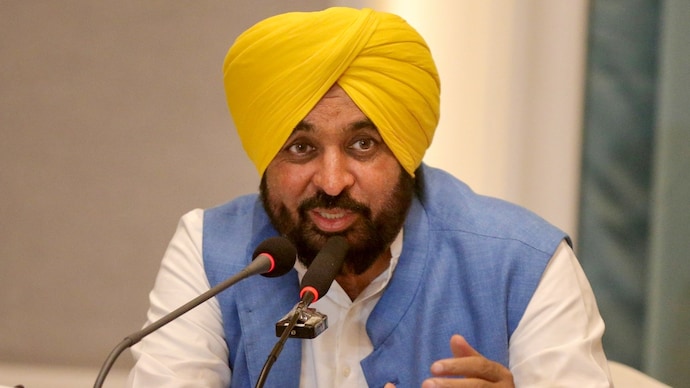
The Punjab government on Wednesday introduced Artificial Intelligence (AI) as a mainstream subject from Class 1 to 12, with Education Minister Harjot Singh Bains saying the state had become the first in the country to do so. The Punjab School Education Board will roll out the curriculum in phases under the 'Sarbat.AI' project, which the government described as one of the country's largest statewide AI education missions.
Bains launched the project along with former Delhi Education Minister Manish Sisodia in the presence of education experts, technology partners and senior officials of the School Education Department.
Addressing the gathering, Bains said, "Today marks the beginning of a new era in Punjab's education system. Punjab has become the first state in India to introduce Artificial Intelligence as a mainstream subject from Class 1 to 12. We are moving from leading the Green Revolution to leading the Artificial Intelligence Revolution."
He said the initiative would prepare students for the future while promoting innovation and responsible use of technology.
"This initiative will equip our students with future-ready skills while fostering innovation, ethical AI, entrepreneurship and responsible digital citizenship. We want every child in Punjab to be prepared not only for the jobs of tomorrow but also to become creators and innovators in the technology-driven world," he said.
According to Bains, the curriculum was developed after studying international practices from Singapore, Finland, the UAE and the United States. He said it had been aligned with UNESCO's Ethical AI Framework so that students learn the responsible, safe and ethical use of Artificial Intelligence while meeting global standards.
Explaining the rollout, Bains said, "Phase I will begin with Classes 8 to 12 by integrating AI into the Computer Science curriculum in government and affiliated private schools."
Students will learn through live online classes, recorded lectures, project-based learning, continuous assessments and a dedicated Learning Management System. In Phase II, the programme will be expanded to Classes 1 to 7 to provide age-appropriate AI education from the foundational years.
The programme builds on the Punjab School Education Board's AI Pilot Programme conducted with FA-AI, which ended with a statewide AI Hackathon. Bains said student innovations developed during the pilot had shown the potential of children in the state, and some of those projects were showcased at the launch.
He added that the programme would be implemented technologically by Neeev AI and supported through collaborations with Google, Intel, Canva and FA-AI to improve AI literacy, teacher capacity building, innovation and workforce readiness.
Bains said the programme would eventually benefit 25,172 schools and nearly 31.5 lakh students. In Phase I, 12,424 Computer Science teachers will lead implementation, while more than two lakh teachers across subjects will be trained over time to integrate AI into teaching, learning and assessment.
Sisodia said, "Punjab has scripted history with the launch of this project and has established itself as a national benchmark for AI education. This initiative reaffirms the state's commitment to preparing students not merely to use Artificial Intelligence but to innovate with it, create with it and lead in the technology-driven future."
He also expressed concern over the alleged recent examination paper leaks in the country and the ongoing protests in the national capital, and stressed the need to strengthen examination integrity through technology-driven reforms and robust educational systems.
With the launch of 'Sarbat.AI', Punjab has started a phased plan to introduce AI across Classes 1 to 12, beginning with senior classes and backed by teacher training, technology partners and a curriculum aligned with global and ethical standards.
The Punjab government on Wednesday introduced Artificial Intelligence (AI) as a mainstream subject from Class 1 to 12, with Education Minister Harjot Singh Bains saying the state had become the first in the country to do so. The Punjab School Education Board will roll out the curriculum in phases under the 'Sarbat.AI' project, which the government described as one of the country's largest statewide AI education missions.
Bains launched the project along with former Delhi Education Minister Manish Sisodia in the presence of education experts, technology partners and senior officials of the School Education Department.
Addressing the gathering, Bains said, "Today marks the beginning of a new era in Punjab's education system. Punjab has become the first state in India to introduce Artificial Intelligence as a mainstream subject from Class 1 to 12. We are moving from leading the Green Revolution to leading the Artificial Intelligence Revolution."
He said the initiative would prepare students for the future while promoting innovation and responsible use of technology.
"This initiative will equip our students with future-ready skills while fostering innovation, ethical AI, entrepreneurship and responsible digital citizenship. We want every child in Punjab to be prepared not only for the jobs of tomorrow but also to become creators and innovators in the technology-driven world," he said.
According to Bains, the curriculum was developed after studying international practices from Singapore, Finland, the UAE and the United States. He said it had been aligned with UNESCO's Ethical AI Framework so that students learn the responsible, safe and ethical use of Artificial Intelligence while meeting global standards.
Explaining the rollout, Bains said, "Phase I will begin with Classes 8 to 12 by integrating AI into the Computer Science curriculum in government and affiliated private schools."
Students will learn through live online classes, recorded lectures, project-based learning, continuous assessments and a dedicated Learning Management System. In Phase II, the programme will be expanded to Classes 1 to 7 to provide age-appropriate AI education from the foundational years.
The programme builds on the Punjab School Education Board's AI Pilot Programme conducted with FA-AI, which ended with a statewide AI Hackathon. Bains said student innovations developed during the pilot had shown the potential of children in the state, and some of those projects were showcased at the launch.
He added that the programme would be implemented technologically by Neeev AI and supported through collaborations with Google, Intel, Canva and FA-AI to improve AI literacy, teacher capacity building, innovation and workforce readiness.
Bains said the programme would eventually benefit 25,172 schools and nearly 31.5 lakh students. In Phase I, 12,424 Computer Science teachers will lead implementation, while more than two lakh teachers across subjects will be trained over time to integrate AI into teaching, learning and assessment.
Sisodia said, "Punjab has scripted history with the launch of this project and has established itself as a national benchmark for AI education. This initiative reaffirms the state's commitment to preparing students not merely to use Artificial Intelligence but to innovate with it, create with it and lead in the technology-driven future."
He also expressed concern over the alleged recent examination paper leaks in the country and the ongoing protests in the national capital, and stressed the need to strengthen examination integrity through technology-driven reforms and robust educational systems.
With the launch of 'Sarbat.AI', Punjab has started a phased plan to introduce AI across Classes 1 to 12, beginning with senior classes and backed by teacher training, technology partners and a curriculum aligned with global and ethical standards.
The Punjab government on Wednesday introduced Artificial Intelligence (AI) as a mainstream subject from Class 1 to 12, with Education Minister Harjot Singh Bains saying the state had become the first in the country to do so. The Punjab School Education Board will roll out the curriculum in phases under the 'Sarbat.AI' project, which the government described as one of the country's largest statewide AI education missions.
Bains launched the project along with former Delhi Education Minister Manish Sisodia in the presence of education experts, technology partners and senior officials of the School Education Department.
Addressing the gathering, Bains said, "Today marks the beginning of a new era in Punjab's education system. Punjab has become the first state in India to introduce Artificial Intelligence as a mainstream subject from Class 1 to 12. We are moving from leading the Green Revolution to leading the Artificial Intelligence Revolution."
He said the initiative would prepare students for the future while promoting innovation and responsible use of technology.
"This initiative will equip our students with future-ready skills while fostering innovation, ethical AI, entrepreneurship and responsible digital citizenship. We want every child in Punjab to be prepared not only for the jobs of tomorrow but also to become creators and innovators in the technology-driven world," he said.
According to Bains, the curriculum was developed after studying international practices from Singapore, Finland, the UAE and the United States. He said it had been aligned with UNESCO's Ethical AI Framework so that students learn the responsible, safe and ethical use of Artificial Intelligence while meeting global standards.
Explaining the rollout, Bains said, "Phase I will begin with Classes 8 to 12 by integrating AI into the Computer Science curriculum in government and affiliated private schools."
Students will learn through live online classes, recorded lectures, project-based learning, continuous assessments and a dedicated Learning Management System. In Phase II, the programme will be expanded to Classes 1 to 7 to provide age-appropriate AI education from the foundational years.
The programme builds on the Punjab School Education Board's AI Pilot Programme conducted with FA-AI, which ended with a statewide AI Hackathon. Bains said student innovations developed during the pilot had shown the potential of children in the state, and some of those projects were showcased at the launch.
He added that the programme would be implemented technologically by Neeev AI and supported through collaborations with Google, Intel, Canva and FA-AI to improve AI literacy, teacher capacity building, innovation and workforce readiness.
Bains said the programme would eventually benefit 25,172 schools and nearly 31.5 lakh students. In Phase I, 12,424 Computer Science teachers will lead implementation, while more than two lakh teachers across subjects will be trained over time to integrate AI into teaching, learning and assessment.
Sisodia said, "Punjab has scripted history with the launch of this project and has established itself as a national benchmark for AI education. This initiative reaffirms the state's commitment to preparing students not merely to use Artificial Intelligence but to innovate with it, create with it and lead in the technology-driven future."
He also expressed concern over the alleged recent examination paper leaks in the country and the ongoing protests in the national capital, and stressed the need to strengthen examination integrity through technology-driven reforms and robust educational systems.
With the launch of 'Sarbat.AI', Punjab has started a phased plan to introduce AI across Classes 1 to 12, beginning with senior classes and backed by teacher training, technology partners and a curriculum aligned with global and ethical standards.

