Eco Watch | Gir lion attacks: A problem of plenty
Conservation success brings new challenges as humans and lions increasingly share space
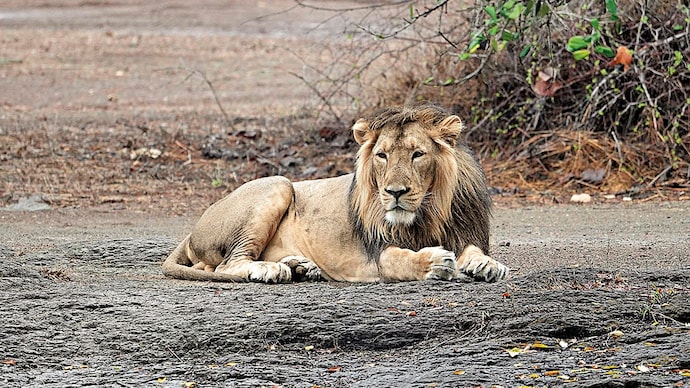
For Gujarat’s conservation triumph with the Asiatic Lions is straining against its own success. Six deaths due to lion attacks in June and July have shaken up the Saurashtra peninsula. The most shocking of these was the death of an 11-year-old boy, dragged away while the family was climbing the steps to the temples atop Mount Girnar. The outrage is testing the foundations of the state’s celebrated conservation model—of humans and lions sharing spaces and coexisting.
For Gujarat’s conservation triumph with the Asiatic Lions is straining against its own success. Six deaths due to lion attacks in June and July have shaken up the Saurashtra peninsula. The most shocking of these was the death of an 11-year-old boy, dragged away while the family was climbing the steps to the temples atop Mount Girnar. The outrage is testing the foundations of the state’s celebrated conservation model—of humans and lions sharing spaces and coexisting.
For Gujarat’s conservation triumph with the Asiatic Lions is straining against its own success. Six deaths due to lion attacks in June and July have shaken up the Saurashtra peninsula. The most shocking of these was the death of an 11-year-old boy, dragged away while the family was climbing the steps to the temples atop Mount Girnar. The outrage is testing the foundations of the state’s celebrated conservation model—of humans and lions sharing spaces and coexisting.
Such unprovoked attacks were unusual in the past. The 2025 census counted 891 Asiatic lions, up from 674 five years earlier. Only 384 live inside protected forests. The remaining 507, or 44.2 per cent, now range across the 30,000 sq. km Greater Gir landscape. Officials and experts point to several converging pressures—rising lion numbers, habitat pressure, thinning ungulate population....
“Furthermore, humans are moving into lion territory with illegal resorts and other activities in protected areas. This is a recipe for disaster,” says photographer Bhushan Pandya, a former member of the state wildlife board. Disease has sharpened the alarm. In May, eight lions died, officially of babesiosis. Reliable sources, though, claim some of them were infected with canine distemper virus (CDV), and that the toll was higher.
After the uproar, the forest department captured 30-plus lions and declared seven of them ‘maneaters’. But there are no easy solutions. The recent incidents have attracted international attention to Gir on the one hand, while on the other, leaders of the ruling party have clashed with the forest department for putting curbs on development work in the region.

