West Bengal | Smart but metered move
CM Suvendu rolls out the contentious smart power meter scheme, but with consumer-friendly caution
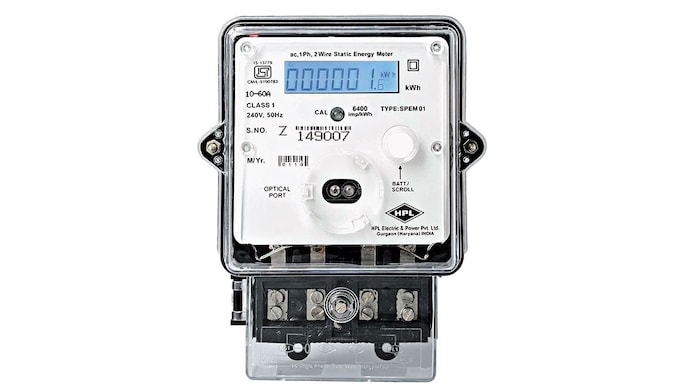
It’s emitting not a few sparks in states that have already plugged into the technology, but India’s ambitious transition to smart electricity metering has crossed a big threshold with West Bengal. The last major holdout among large states is now officially into a rollout—albeit coated with a sweetener for now. Mindful of the anxieties in the public, chief minister Suvendu Adhikari has sought to reassure domestic consumers that they will be persuaded, not compelled, to come on board.
It’s emitting not a few sparks in states that have already plugged into the technology, but India’s ambitious transition to smart electricity metering has crossed a big threshold with West Bengal. The last major holdout among large states is now officially into a rollout—albeit coated with a sweetener for now. Mindful of the anxieties in the public, chief minister Suvendu Adhikari has sought to reassure domestic consumers that they will be persuaded, not compelled, to come on board.
It’s emitting not a few sparks in states that have already plugged into the technology, but India’s ambitious transition to smart electricity metering has crossed a big threshold with West Bengal. The last major holdout among large states is now officially into a rollout—albeit coated with a sweetener for now. Mindful of the anxieties in the public, chief minister Suvendu Adhikari has sought to reassure domestic consumers that they will be persuaded, not compelled, to come on board.
Nationwide smart metering is part of the Centre’s flagship power sector reforms under the Revamped Distribution Sector Scheme (RDSS), but its public reception has been marked by a series of grievances: a trebling or even a five-fold jump in bills emanating from an opaque, remote system; prepaid billing leading to abrupt supply cuts; data concerns; questions over extra maintenance charges. Adhikari’s directions to officials at Vidyut Bhavan in Salt Lake on July 22 reflected the need to shore up public confidence. “You have to make people believe they will not be forced to pay extra if they instal smart meters. Set up a grievance cell. You should not instal smart meters for domestic consumers forcibly,” he said.
Live-wire reform
The RDSS aims to cure India’s notoriously leaky power distribution system by replacing conventional meters with nearly 250 million smart prepaid meters across India. It has already been sanctioned for 197.9 million consumers across 28 states and Union territories. By last December, about 39 million meters had been installed across India; recent estimates suggest the number has crossed 50 million. That still represents only about a fourth of the target, so Bengal’s entry into the scheme can be expected to shore up the statistics.
In July, Union power minister Manohar Lal Khattar had announced that installations in Bengal would begin that month, eventually covering nearly 20 million consumers. The rollout is planned in phases, beginning with government offices and campuses before extending to industrial, commercial and eventually domestic consumers. Unlike many states that have adopted prepaid systems by default, Bengal has indicated consumers will be able to choose between prepaid and postpaid billing.
The issue, however, remains politically sensitive. The Trinamool Congress regime had initiated installation in government offices but stopped short of a wider rollout after stiff resistance from domestic consumers. The BJP regime has now revived the programme but appears keenly aware of public apprehensions surrounding the technology.
Officials say the idea is to instal postpaid meters for domestic consumers with the existing monthly billing cycle, addressing one of the biggest concerns associated with prepaid smart meters—automatic disconnection once the prepaid balance is exhausted. “The government is focusing on convincing consumers that they would not have to pay extra with smart meters,” says a senior official. The CM says misinformation fuels some of the resistance. “Some people, particularly from the Left, mislead people. So, convince the people before installation. When people realise they will not face any problem, they will instal smart meters,” he said.
The CM simultaneously directed officials to crack down on electricity theft and improve bill recovery. “There should be zero tolerance for ‘hooking’. Get illegal connections disconnected immediately,” he said, referring to the widespread practice of drawing electricity illegally before it reaches the meter. At the same time, he asked officials to proceed cautiously against households with outstanding dues, directing the department to hear consumers before disconnecting connections.
The financial context explains the urgency behind the reforms. Officials say aggressive recovery efforts against commercial consumers have already reduced outstanding dues from nearly Rs 500 crore to around Rs 80 crore after about 45,000 commercial connections were snapped over the past two months. However, government departments still owe about Rs 800 crore; arrears from domestic consumers stand at nearly Rs 1,000 crore. Making good on that will be the next major challenge.
The rollout coincides with another major change—the introduction of Time-of-Day (ToD) tariffs. Mandated by the Centre for smart-meter consumers, ToD pricing makes electricity cheaper during solar-rich daytime hours and expensive during evening peak demand. It’s intended to encourage consumers to shift discretionary use to periods when renewable energy generation is abundant, reducing stress on the grid.
Maharashtra has projected the potential benefits of dynamic pricing, claiming over 7 million consumers collectively saved Rs 2,235 crore after ToD tariffs were introduced in July 2025 by shifting electricity consumption to off-peak hours. Supporters of smart meters say it improves billing accuracy, reduces theft and helps discoms lower losses.
Yet the reforms remain contentious. Consumer groups and Opposition parties in Bihar, UP, Rajasthan and Assam have alleged inflated bills, unexpected deductions, inadequate transparency in billing algorithms and remote disconnections. July saw complaints from parts of Mumbai hit the headlines. Protests demanding independent audits and the option to retain conventional meters have surfaced across states.
In West Bengal, the government’s emphasis on voluntary adoption is an attempt to avoid a similar backlash.

