Centre asks states to take action over Diljit Dosanjh's Satluj screenings: Sources
The government is contemplating legal action over OTT release and public screenings of the Diljit Dosanjh-starrer Satluj, which lacked certification from the CBFC. Despite the film's removal from Zee5, community groups continue to screen it in gurdwaras, while a PIL seeks its restoration on the platform.
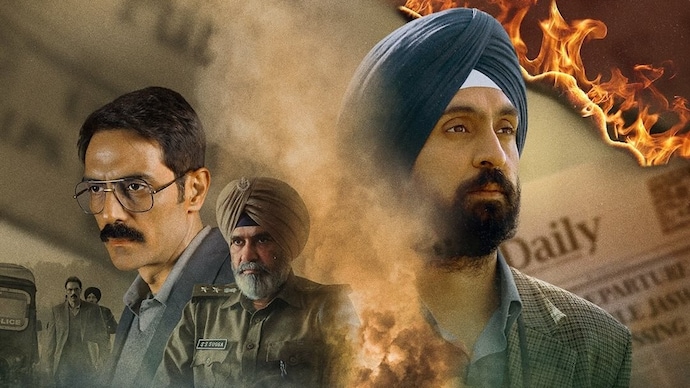
The Centre is considering legal action over the release and public screenings of Diljit Dosanjh-starrer Satluj, with sources claiming the film was released without obtaining a valid certification from the Central Board of Film Certification (CBFC).
According to government sources, the CBFC had suggested 127 cuts to the film during the certification process. However, the makers allegedly did not incorporate the proposed changes, and no certificate was issued for Satluj.
The film was released on Zee5 and taken down within 48 hours. It has since been screened at multiple locations, illegally, prompting the government to examine possible legal action, sources said.
Sources further said that state governments have been asked to take action wherever the film is being screened without the necessary certificate.
The development comes days after Satluj was taken down from streaming platform Zee5 in India shortly after its release. The film, based on the life of human rights activist Jaswant Singh Khalra, was removed from the platform within two days, with Zee5 citing "current circumstances" without offering further details.
Soon after Satluj was removed from the OTT platfiorm, Diljit Dosanjh shared a video urging audiences to watch the film despite its takedown.
Following the OTT takedown, community organisations announced that Satluj would be screened at gurdwaras across five states to ensure the film reaches audiences. The initiative was launched to keep alive the story of Khalra, who exposed the alleged illegal cremations during Punjab's militancy era.
Meanwhile, a public interest litigation (PIL) has been filed in the Punjab and Haryana High Court seeking the restoration of Satluj on Zee5. The petition alleges that the film was removed from the platform without any publicly disclosed statutory, judicial or governmental order and seeks its restoration along with disclosure of the reasons behind the takedown.
The Centre is considering legal action over the release and public screenings of Diljit Dosanjh-starrer Satluj, with sources claiming the film was released without obtaining a valid certification from the Central Board of Film Certification (CBFC).
According to government sources, the CBFC had suggested 127 cuts to the film during the certification process. However, the makers allegedly did not incorporate the proposed changes, and no certificate was issued for Satluj.
The film was released on Zee5 and taken down within 48 hours. It has since been screened at multiple locations, illegally, prompting the government to examine possible legal action, sources said.
Sources further said that state governments have been asked to take action wherever the film is being screened without the necessary certificate.
The development comes days after Satluj was taken down from streaming platform Zee5 in India shortly after its release. The film, based on the life of human rights activist Jaswant Singh Khalra, was removed from the platform within two days, with Zee5 citing "current circumstances" without offering further details.
Soon after Satluj was removed from the OTT platfiorm, Diljit Dosanjh shared a video urging audiences to watch the film despite its takedown.
Following the OTT takedown, community organisations announced that Satluj would be screened at gurdwaras across five states to ensure the film reaches audiences. The initiative was launched to keep alive the story of Khalra, who exposed the alleged illegal cremations during Punjab's militancy era.
Meanwhile, a public interest litigation (PIL) has been filed in the Punjab and Haryana High Court seeking the restoration of Satluj on Zee5. The petition alleges that the film was removed from the platform without any publicly disclosed statutory, judicial or governmental order and seeks its restoration along with disclosure of the reasons behind the takedown.

